Germany Takes a Bold Step in Sustainable Battery Recycling
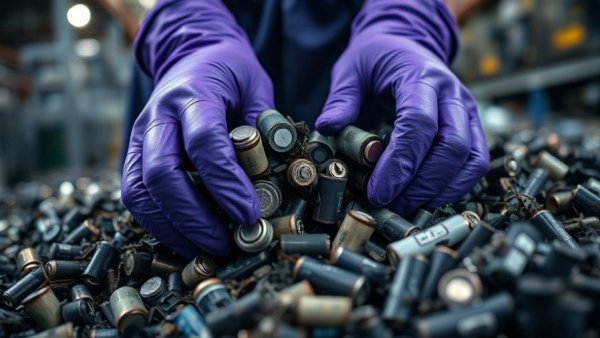
Battery recycling specialists like Cylib are crucial to revolutionizing how we handle end-of-life electric vehicle batteries. Recently, the German Federal Agency for Disruptive Innovation (SPRIND) announced its decision to invest in Cylib, solidifying its place at the forefront of battery recycling innovation. This investment highlights a significant shift towards enhancing Europe's self-sufficiency in critical battery materials.
Understanding the Challenge: The Rise of Electric Vehicles
With the increasing adoption of electric vehicles (EVs) across Europe, the demand for battery materials has surged. However, the continent faces a notable deficit in accessible raw materials necessary for battery manufacturing. Cylib recognizes this challenge and aims to address it through its innovative recycling methods. As Cylib co-founder Dr. Lilian Schwich noted, "Europe has little access of its own to the raw materials that are critical for battery production, while the number of end-of-life EV batteries grows every year." This reality emphasizes the need for solutions like Cylib's technology, which recuperates valuable metals and prolongs the lifespan of these materials.
The Impactful Technology Behind Cylib’s Recycling Process
What differentiates Cylib’s approach from traditional recycling methods is its focus on lithium recovery right from the start of the process. Historically, recycling efforts often neglected lithium until the end, resulting in significant losses. The new OLiC process – or Optimized Lithium and Graphite Recovery – changes this dynamic by ensuring lithium is recovered in the initial stages. Cylib claims over 90% recovery rates for essential materials like lithium, nickel, cobalt, and graphite. By optimizing these processes, Cylib not only supports sustainability but also contributes to a closed-loop system that is vital for the future of battery production.
Strengthening Europe's Raw Material Sovereignty
Given the importance of strategic materials in the energy transition, Cylib’s partnership with SPRIND is seen as a major leap forward. SPRIND's involvement not only offers financial support but also aligns with the agency's motive to promote disruptive technologies that bolster Germany's and Europe’s autonomy in critical raw materials. Olav Carlsen, an Innovation Manager at SPRIND, stated, "Cylib has the technological foundation to create a large-scale industrial market for battery materials that remain in circulation in Europe." This matching of resources and ambition could pave the way towards achieving greater independence from external material sources.
Practical Insights: What This Means for Businesses and Homeowners
For homeowners and businesses interested in sustainable energy solutions, the developments at Cylib could have far-reaching implications. As battery materials become more available through recycling, the costs associated with EV and solar technologies may decrease. Furthermore, businesses relying on green technologies like solar-powered charging stations will benefit from a more within-reach supply chain for essential materials. This investment could ultimately lead to more affordable solutions for consumers and businesses alike, making renewable energy more accessible.
Future Predictions: The Role of Battery Recycling in Green Energy
The trajectory of battery recycling initiatives like those undertaken by Cylib can be seen as a critical component of the green energy movement. With awareness growing around the environmental impacts of battery production, sustainable innovation is not just a trend but a necessity. Sustainable practices could enhance Europe's grid independence, catalyzing a more robust and resilient energy sector. As consumer demand for electric vehicles continues to surge, innovative solutions in recycling will become imperative for meeting that demand sustainably.
Conclusion: The Path Ahead for Renewable Energy Integration
As we move towards a future that hinges on green technology and sustainable practices, understanding developments like Cylib's investment becomes essential. Not only does it highlight the importance of collaboration between public agencies and private innovators, but it also underscores the critical need for sustainable resource management in the face of rapid EV adoption. By keeping materials within a closed-loop system, Cylib and SPRIND contribute to a healthier environment and a strong foundation for Europe’s energy future.
For homeowners and businesses committed to harnessing the power of solar and green energy, staying informed about innovations in battery recycling and material recovery will be crucial. Embrace this shift towards sustainability and consider how these advancements can impact your energy solutions.



Write A Comment