Tesla Pushes Forward with Major Expansion in Grünheide
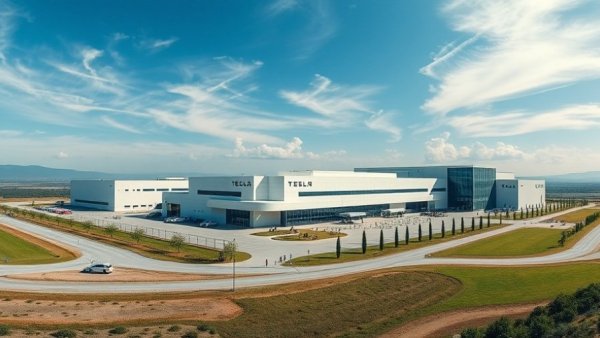
Tesla has announced an ambitious investment of three billion euros in its Gigafactory located in Grünheide, Brandenburg, marking a significant step towards advancing electric vehicle (EV) technology and production capabilities.
What’s at Stake with the Grünheide Expansion?
The Grünheide facility is set to become the site of Tesla's latest innovation, the Cybercab — an autonomous robotaxi designed to operate without a steering wheel or pedals. Production is scheduled to begin in 2029, aiming for an impressive output of up to one million units annually. As Tesla expands its offerings, this new model will revolutionize urban transport similar to how the Model Y has transformed personal EV use.
The Timeline: What’s Next for Tesla in Germany?
Tesla's timeline for expansion is systematic. The company aims to submit its official permit application for the new building later this year, building upon its previous comprehensive submission from 2023. With construction set to commence in the first half of 2027, the prospects for job creation are significant. Tesla's workforce at Grünheide has already shown signs of rejuvenation, growing from a low of 11,000 employees to 12,600 amidst increased production demands. Further, the company anticipates needing an additional 1,500 workers in battery production and several hundred for the new robotaxi hall.
Economic Impact on Brandenburg
Brandenburg’s government expressed strong support for Tesla’s plans, highlighting the substantial economic impact such an investment could entail. Minister-President Dietmar Woidke emphasized that producing up to one million Cybercabs will usher in 'enormous economic significance' for the region. This sentiment comes after a turbulent period for the company marked by a global sales crisis in 2024 and 2025, which temporarily stalled its expansion ambitions.
Green Energy and Sustainability at the Forefront
As Tesla expands its manufacturing capabilities, it reinforces its commitment to sustainable practices. The new production facilities, including a planned wastewater treatment plant, demonstrate Tesla's readiness to embrace environmentally responsible protocols. This is particularly appealing to eco-conscious consumers and businesses keen on solar and green energy, perfectly aligning with the growing trend of green living.
What the Future Holds for Tesla and the EV Market
The expansion not only benefits Tesla but also serves as a bellwether for the future of the electric vehicle marketplace in Europe. Current production at Grünheide, which stands at approximately 375,000 electric vehicles a year, is witnessing robust growth, with forecasts suggesting significant increases in throughput as the factory operates closer to its capacity. This shift can spark further innovations in the EV industry, demonstrating Tesla’s role as a leader in battery technology and EV integration.
The Bigger Picture: EV Integration and Solar Power Synergy
This development at Grünheide can spur interest in integrated solutions relating to renewable energy and electric transport. Homeowners and businesses interested in solar energy may find unique opportunities emerging as EV infrastructure expands. Combining solar power with electric vehicle charging offers the potential for reduced energy costs and enhanced energy independence, allowing consumers to adopt a more sustainable lifestyle.
Final Thoughts: Embracing Green Technologies
Tesla's investment in the Gigafactory Grünheide marks a pivotal moment not only for the company but for the future of electric mobility and sustainable practices in energy production. As the EV market continues to evolve, those inclined towards green technologies can take advantage of these transitions, aligning their energy consumption and transportation with future-driven innovations.
Explore opportunities in green living and transport solutions, and discover how you can be part of this energetic shift towards sustainability today.


Write A Comment