
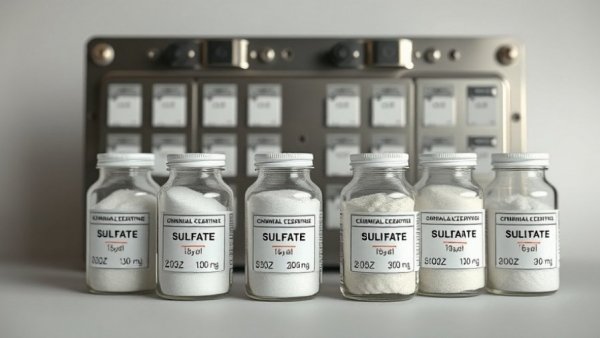
Unlocking the UK’s Battery Materials Supply Chain
The UK government is taking significant steps to bolster its self-sufficiency in critical minerals essential for battery production. The Cascade project, spearheaded by ReOre Technologies, is on a mission to tap into the nation's domestic resources of nickel, cobalt, and copper, thereby reducing the UK’s reliance on imports. Backed by a £1.4 million investment from the Battery Innovation Programme, this initiative marks a pivotal movement towards establishing a sovereign battery materials supply chain within the UK.
Collaborative Efforts Combine Expertise
This two-year project unites ReOre Technologies with partners Aberdeen Minerals and Camborne School of Mines, combining their distinct areas of expertise. Through this collaboration, the project aims to utilize the EcoMineral technology developed by ReOre—a hydrometallurgical process notable for its eco-friendly approach using biodegradable and non-toxic chemistry.
Why Domestic Supply Matters
Toby French, the Business Lead at ReOre Technologies, emphasizes the necessity of developing local primary resources in tandem with recycling initiatives. These dual approaches are crucial for the UK to foster a resilient and competitive battery materials supply chain. Notably, the Cascade project's ambitions extend beyond simple extraction; it seeks to demonstrate a comprehensive pathway that retains more value within Britain, culminating in high-value battery material production.
The Promise of Eco-Friendly Processing
Central to the Cascade project is the promise of an environmentally compatible method of recovering critical minerals from sulphide mineral concentrates found in Aberdeenshire. The project is set against the backdrop of the UK holding considerable untapped reserves, yet lacking the necessary facilities for extraction and processing. As highlighted by the project partners, establishing these capabilities domestically could drastically change the landscape of battery material sourcing.
Research and Development in Mineral Processing
The contributions from the Camborne School of Mines are pivotal. This esteemed institution will lend its expertise in mineral processing to explore recovery routes within UK mine waste and other potential secondary feedstocks. The project's ambition is to advance research techniques that lead to sustainable extraction methods, offering hope for both ecological preservation and economic growth in the UK.
Charting a Sustainable Future
The innovative recovery processes proposed by ReOre not only focus on efficiency but also on reducing environmental impact. By operating at ambient pressure and lower temperatures, the EcoMineral technology avoids the harsh conditions typical of conventional methods, significantly minimizing energy consumption and costs associated with mineral extraction.
As the world pivots toward greener technologies and sustainable practices, the Cascade project stands as a beacon of potential. It is a formidable step towards establishing a self-sufficient framework for the UK's battery supply chain—one that could resonate across various sectors, particularly in automotive and advanced manufacturing.
Conclusion and Call to Action
As industries increasingly turn towards electric vehicles and sustainable solutions, understanding the dynamics of local material sourcing becomes vital. The Cascade project illustrates a critical opportunity for homeowners and businesses eager to tap into modern, eco-friendly innovations that contribute to a cleaner energy future. Engage with these developments and consider how investing in sustainable energies, such as solar power combined with responsible battery production, can not only enhance your green living efforts but also contribute to a significant environmental legacy.




Write A Comment