Understanding Agriovoltaics: The Synergy of Solar and Agriculture
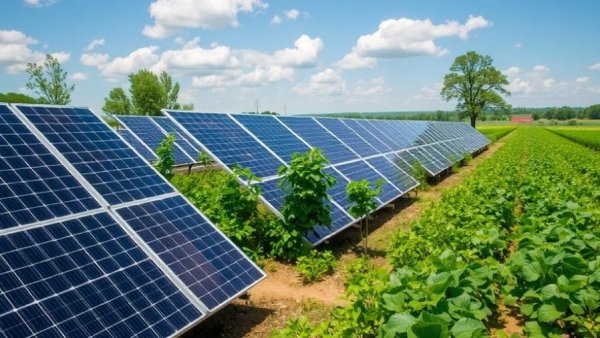
Imagine a landscape where solar panels not only produce electricity but also enhance agricultural yields. This is the essence of agrivoltaics—an innovative fusion of solar energy production and farming practices. By integrating solar panels with crops or livestock management, farmers can optimize land use while contributing to the sustainability of both agriculture and energy sectors.
The Dual Benefits: Maximizing Growth and Energy Production
Agrivoltaics primarily operates on the premise that solar panels can provide beneficial shade to crops, particularly in arid regions where heat and water scarcity pose significant challenges. Studies, such as those from the University of Arizona's Biosphere 2, have shown that shade from solar panels can significantly boost vegetable yields. For instance, cherry tomatoes in partial shade produced up to twice the fruit of those exposed to full sunlight, due to improved moisture retention and reduced water loss.
This phenomenon opens up a unique opportunity for farmers in desert and semi-arid climates to adapt their practices and potentially double the revenue from existing land—a crucial consideration given the rising competition for agricultural land and the increasing focus on sustainable practices.
Proven Practices: Grazing and Crop Cultivation Under Solar Panels
While crop cultivation remains in the experimental stage, agrivoltaics already demonstrates established success with livestock, particularly sheep. Reports reveal that grazing beneath solar panels not only keeps the grass trimmed but also reduces the need for mowing, thereby minimizing maintenance costs for solar installations.
This grazing method has been implemented across various agrivoltaic systems, proving to be effective for land management. Sheep, being smaller, can easily navigate beneath the solar panels, and their grazing helps maintain soil quality while preventing erosion—a vital aspect in areas where soil health is imperative for crop growth.
Financial Implications: Weighing Costs Against Benefits
The capital expenditure associated with installing agrivoltaic systems is undeniably higher than that of conventional solar farms. However, the potential for increased agricultural output can justify the upfront investment. The U.S. Department of Energy notes that agrivoltaics currently accounts for less than 5% of the solar market—a niche that is expected to grow as technologies evolve and the pressure for sustainable practices increases.
Farmers interested in transitioning to an agrivoltaic model should perform an economic analysis of their land—a solar energy quote tailored to their specific soil and utility considerations will also illuminate whether such an investment can yield viable returns.
Current Trends and Future Predictions for Agrivoltaics
The interest in agrivoltaics is on the rise, as climate change prompts a reevaluation of traditional agricultural practices. Predictions indicate that by 2030, agrivoltaic systems could account for a more substantial share of solar energy production in the U.S., directly correlating with advancements in technology and growing consumer demand for sustainable energy solutions.
Furthermore, as regulations around land use and energy consumption evolve, agrivoltaics could become a pivotal solution for landowners, allowing them to enhance their revenue streams while contributing to environmental conservation efforts—fostering an ecosystem where energy production and sustainable agriculture coalesce.
Decisions You Can Make: Navigating the Transition to Agrivoltaics
For homeowners and businesses contemplating the shift to agrivoltaic systems, understanding local zoning laws and potential financial incentives is crucial. Governments are increasingly enacting policies to support sustainable development, which can offer financial relief and support for implementing solar technology on agricultural lands. Engaging with local policymakers and solar energy professionals might facilitate smoother transitions and greater financial benefits.
The Bottom Line: Embracing Innovation for a Sustainable Future
As the energy landscape continues to evolve, agrivoltaics stands out as a promising solution for maximizing both agricultural output and solar energy generation. By blending these two sectors, landowners not only improve their profit margins but also contribute to the global shift toward sustainability—a dual benefit that will become increasingly valuable in the years ahead.
If you're a landowner considering the transition to solar energy or improving agricultural efficiency, consider exploring agrivoltaics to maximize your land use while supporting environmental sustainability.



Write A Comment