
Fortum's Innovative Leap in Battery Recycling Technology
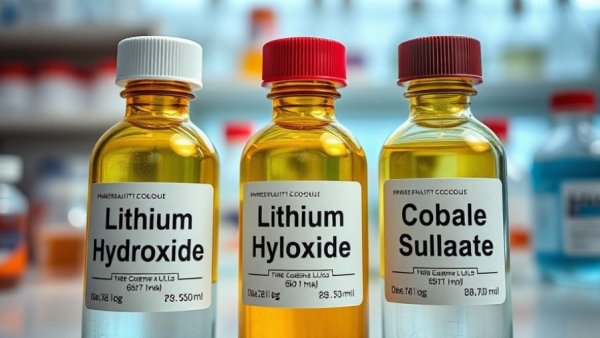
Fortum's latest advancements in battery recycling are raising hopes for a greener and more sustainable future in electric vehicle (EV) technology. By successfully producing samples of nickel sulfate, cobalt sulfate, and lithium hydroxide at its Harjavalta facility in Finland, Fortum is taking significant steps towards enhancing battery-grade material recovery.
Why This Development Matters for Green Energy
The goal of producing high-purity battery raw materials aligns crucially with the sustainability objectives of the European Union (EU). As EU regulations increasingly mandate recycled materials in new batteries, Fortum's innovative processes could place it at the forefront of the green energy sector. A successfully scaled-up recycling process not only promises to minimize CO₂ emissions but may also foster a substantial reduction in the economic losses currently experienced in battery recycling.
The Economic Implications of Battery Recycling
Recent studies reveal that inefficient recycling processes result in significant financial losses—approximately €1.90 per kilogram of battery pack due to cost drivers such as hazardous goods transport and uncertainty in material recovery. Fortum's pilot campaign signals an encouraging turn, as optimizations in their recycling technology could potentially lower these costs by 34%, creating a more viable economic model for battery manufacturers.
The Regulatory Landscape: Driving Change in Recycling Practices
The EU's upcoming Battery Regulation mandates the inclusion of a certain percentage of recycled materials in new battery production, effective as of August 2031. Companies such as Fortum are thus under pressure to innovate rapidly and meet these standards, solidifying their role in Europe's vision for a circular economy.
A Strategic Move Towards Electrification and Sustainability
Fortum’s initiative is not merely an environmental strategy; it represents a broader economic vision. The European Commission recognized their project as a strategic undertaking under the Critical Raw Materials Act (CRMA), underscoring the importance of local battery raw material supply chains. With financial backing from Business Finland and the EU Innovation Fund, the resources dedicated to advancing this technology exemplify growing support for sustainable practices across Europe.
Challenges Ahead: Navigating the Path to Success
Despite the promising developments, Fortum has not disclosed specific timelines for scaling their processes or the names of potential buyers for their battery materials. This lack of clarity highlights inherent challenges within the battery recycling sector: logistical hurdles, market readiness, and the need for technological refinement. Addressing these challenges will be crucial for Fortum and the broader industry as they aim to transition to more sustainable practices.
Connecting the Dots: From Production to End-User
For home owners and businesses considering the implementation of solar and green energy solutions, Fortum's advances in battery recycling offer crucial insights into the future of energy storage. High-recovery rates of recycled battery materials can lead to cheaper, more efficient access to the raw materials necessary for solar battery solutions and electric vehicles, ultimately lowering the cost of green technology for consumers.
Conclusion: Why This Matters for Your Energy Choices
As society pushes towards greater reliance on renewable energy and electric transportation, developments in battery recycling—and companies like Fortum leading the charge—hold significant implications for the economic and environmental landscape. With these innovations, individuals and businesses can look forward to a future where sustainable energy is not just a possibility but a standard practice.



Write A Comment