
Rethinking Voice Assistants: The Push for Local Control
The modern home is increasingly being integrated with smart technology, and devices like the Amazon Echo have led the charge into this new era of automation and convenience. Recently, however, a wave of skepticism has arisen regarding the reliance on cloud-based services operated by large corporations. Privacy concerns and unfulfilled promises for enhanced functionality and user autonomy have led some to explore alternatives that maintain the benefits of smart devices while reclaiming local ownership.
Empowering Users with Local Alternatives
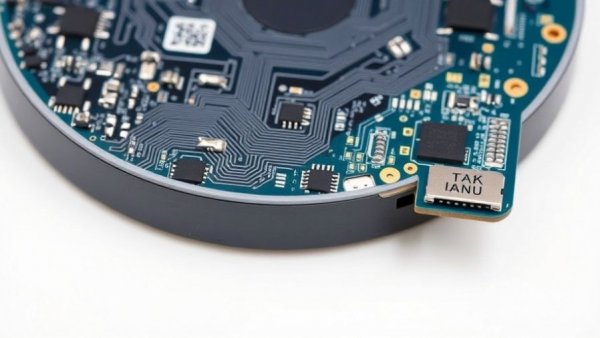
For those homeowners and businesses that appreciate the potential of smart technology but are wary of cloud services, innovative projects such as the third-generation Echo Dot replacement PCB present a promising solution. This modification allows users to keep the familiar Echo interface while cutting out the corporation's cloud-dependent service. By replacing the standard PCB with a new one that incorporates an ESP32-P4 application processor, the device not only runs more efficiently but also gives users direct control over their data and privacy.
As our reliance on technology grows, so too does the need for control over the information generated within our homes. The introduction of a home assistant that can operate locally paves the way for enhanced voice recognition capabilities without constant dependence on external data centers. This is especially vital for those interested in sustainable living, as the integration of such technology can lead to a more energy-efficient household.
Technical Underpinnings: Understanding the ESP32-P4
The decision to utilize the ESP32-P4 processor marks a significant step forward in microcontroller technology. Offering stronger computing power than its predecessors, this chipset supports better voice recognition capabilities, allowing for a responsive and effective home assistant experience. Users engaged in tech-centric projects or seeking to enhance their home automation systems will find that this hardware enables cutting-edge performance while maintaining low power consumption—a critical factor for energy-conscious households.
The Future of Smart Home Technologies
As interest in sustainable living increases, it is vital to consider the implications of our technologies not only on our personal lives but also on the environment. Shifting towards local servers for voice assistants, as demonstrated with the Echo Dot modifications, represents a transition that favors users who are committed to decreasing their carbon footprint through energy-efficient practices. This change coincides with an increase in the adoption of solar energy solutions, as many homeowners aim to align their modern conveniences with environmentally friendly initiatives.
Maintaining Quality in Open Innovations
A point of concern in transitioning from traditional smart devices to open-source alternatives is the quality of voice recognition and microphone technology. As per user feedback, aspiring developers are challenged to create solutions that can stand up to the quality provided by leading brands like Amazon and Google. However, projects like the Echo Dot PCB replacement are integral to exploring this gap, allowing creators to experiment without full corporate backing and potentially producing the quality users desire.
A Step Towards a Self-Sufficient Home
The ability to control your smart home technology without external dependencies represents a major advantage for homeowners looking to harness their energy use efficiently. Projects that augment existing devices, like the one described here, demonstrate how far innovation can extend into territories often assumed to be reserved for corporate entities. They also pave the way for a broader conversation about self-sufficiency and domestic autonomy in our increasingly interconnected world.
As technology evolves, staying informed is crucial for homeowners and decision-makers in the green energy sector. Explore more about how these advancements can integrate into your own home and join the movement towards smarter, sustainable living.




Write A Comment