The Frustration of Smart Garage Door Technology
Smart garage door openers, like the LiftMaster MyQ Home Bridge, represent a leap forward in technology, allowing for seamless local integration within smart home ecosystems. However, users often face frustrating issues when these devices integrate poorly with server dependencies, leading to incessant reboots. For home and business owners alike looking to optimize their energy use and system efficiency, finding solutions to these common pitfalls can significantly enhance their experiences. Additionally, as the market shifts towards more sustainable practices, ensuring that your smart devices operate effectively without constant interruptions becomes even more important.
Understanding the Root Cause of Connectivity Issues
The continuous rebooting problem stems from the opener attempting to connect to remote servers. This issue became evident for a user named Kusha, who discovered that the encryption key stored on the device's Cortex-M4 microcontroller could be leveraged to establish local control rather than relying on the manufacturer’s servers. This clever workaround not only mitigated constant disconnects but also reinforced the importance of user control over smart devices. It highlights a growing trend among tech-savvy homeowners who are eager to reclaim autonomy over their connected systems.
Additionally: The Setup Process for Local Control
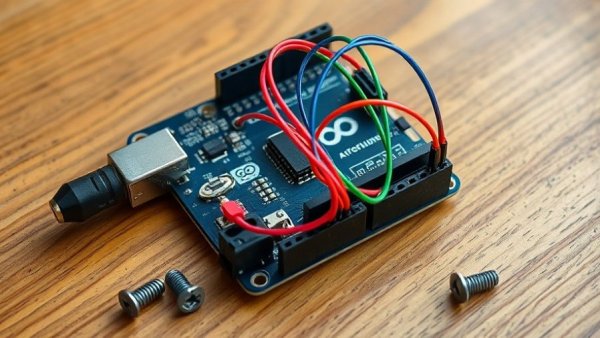
For those interested in replicating Kusha's solution, it requires a bit of technical prowess. First, one must retrieve the key from the device's debug interface, which is accessible via the SWD pins on the PCB. While this may sound daunting at first, with some basic wiring skills and familiarity with Arduino programming, users can set up a local MQTT broker to handle interactions without needing internet access. Docker configurations can simplify the process, enabling even those with limited experience to execute these changes effectively.
Leveraging MQTT Brokers for Improved Functionality
Implementing an MQTT broker like Mosquitto is key to ensuring a smoother operation for your smart garage door opener. Once set up, users can reroute their device's attempts to connect to internet-based servers and redirect them to their local broker. This adjustment allows the device to recognize that it is still enabled and functioning without needing an active external connection. As a result, not only does this method conserve energy, but it also enhances overall reliability and security.
Challenging Established Norms in Smart Technology
Despite advancements, many users express concern over the necessity of connecting garage openers to the internet. Online discussions reveal a paradox where some users yearn for remote access to their garage doors while others raise valid concerns about potential security risks. As manufacturers race to include connectivity features, they must thoughtfully address these concerns. For many homeowners, the priority lies in establishing a reliable, secure access point rather than succumbing to the allure of flashy, yet cumbersome connectivity features.
This conversation is particularly relevant for those passionate about green energy solutions. With the transition towards more eco-friendly living, addressing the vulnerabilities of smart devices becomes crucial. Ensuring these devices run efficiently can prevent unnecessary energy waste and promote sustainable practices in an increasingly tech-dependent world.
Conclusion: Taking Control of Your Smart Home Devices
The experience shared by Kusha illustrates a crucial point: with a little creativity and technical knowledge, homeowners can take full control of their smart home devices. As more people begin to adopt green energy solutions, understanding how to optimize existing technology is paramount. Not only does this foster energy efficiency, but it also provides a sense of empowerment in managing one's own home systems. Multifunctional smart devices should enhance our lives rather than complicate them.
If you're passionate about sustainability and maximizing the efficiency of your smart devices, consider researching how to implement these solutions in your own home. By taking these steps, you'll not only improve your energy usage but also enjoy a greater level of control over how your smart technology operates. Embrace the challenge of transforming your home into an efficient, sustainable environment where you dictate the technology rather than letting it dictate you.



Write A Comment