IONNA’s New Charging Hub: A Game-Changer for Electric Vehicles
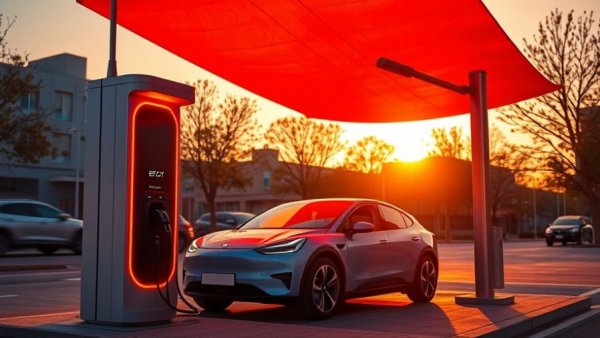
As electric vehicles (EVs) steadily gain traction in the automotive market, infrastructure tailored to support this transition becomes increasingly critical. IONNA's latest venture—a 22-bay charging hub in Westminster, California—is not just another addition to the network; it represents a significant leap towards enhancing the EV charging experience. With peak power capacity reaching up to 400 kW, the facility is designed to accommodate various vehicles more efficiently than ever before.
History and Growth of Charging Infrastructure
In the last few years, the EV landscape has transformed dramatically. IONNA, since its inception, has prioritized establishing a robust charging network across North America. Beginning with its first charging hub in North Carolina in 2025, IONNA has expanded rapidly, marking its 100th operational location earlier this year. The ambition extends further, with plans to deploy 30,000 charging points by 2030—an aspiration that could reshape the way consumers view electric vehicle refueling.
Enhancing User Experience: The Tesla Autocharge Initiative
A major highlight of the Westminster hub is the newly added Tesla Autocharge feature. This innovation offers Tesla drivers a seamless charging experience through automatic authentication. By linking their vehicle to the Presto app and entering payment details, consumers can charge their EVs without manual access every time, illustrating the push towards convenience in the EV market. Current functionalities also extend to numerous manufacturers—including BMW, Ford, and Toyota—bolstering IONNA’s inclusivity within this new EV ecosystem.
Eco-Conscious Benefits of IONNA’s Initiative
The advent of high-capacity charging hubs like IONNA’s serves to promote not only convenience but also a greener future. By supporting fast charging capabilities, the hub can significantly decrease downtime for EVs, indirectly encouraging more consumers to transition away from fossil fuel vehicles. Additionally, the associated environmental benefits cannot be overlooked. As electric vehicles emit zero exhaust emissions, utilizing charging stations that support renewable energy integrates well into a national strategy for green energy adoption.
Accessibility and Integration for All Users
The Westminster location embodies inclusivity beyond Tesla—a necessary factor as the different charging standards can impede EV adoption rates. With support for multiple connectors, including CCS and NACS, IONNA caters to a wide audience, fostering loyalty among diverse EV users. The upcoming integration for Stellantis models—Jeep, Dodge, Ram, and Fiat—scheduled for December, highlights IONNA’s commitment to expanding accessibility for all drivers.
Future Predictions: Electric Vehicle Trends on the Horizon
As IONNA forges ahead, it’s vital to consider future predictions regarding EV growth. Analysts suggest an accelerating shift towards EVs as technology and infrastructure improve. The long-term plan for increased charging stations is anticipated to enhance the convenience of EV ownership. This decade could see more consumers considering solar and green energy solutions for their homes, creating a comprehensive ecosystem that merges sustainable energy with transportation.
Inviting the Public to Embrace Electric Innovation
For homeowners and businesses interested in adopting cleaner technology, IONNA’s charging hubs signify a definitive step towards integrating green solutions into everyday life. With the increasing availability of fast and efficient charging options, coupled with advancements in solar energy technology, consumers stand to benefit significantly. The longer we allow traditional gasoline vehicles to dominate the market, the further we drift from sustainable practices. Investing in EV technology and solar-driven solutions not only benefits the environment but helps economically as well.
Call to Action: Transition to a Greener Future
The recent developments at IONNA signal a compelling opportunity for homeowners and businesses alike. Now is the time to explore options for integrating solar energy solutions and supporting electric vehicle technologies. By taking these steps, individuals can contribute positively to environmental sustainability while enjoying practical cost savings in the long run. Don’t wait—join the green energy movement today and be part of the future of transportation!



Write A Comment