Why Are China’s Electric Cars Driving the Future of Parking?
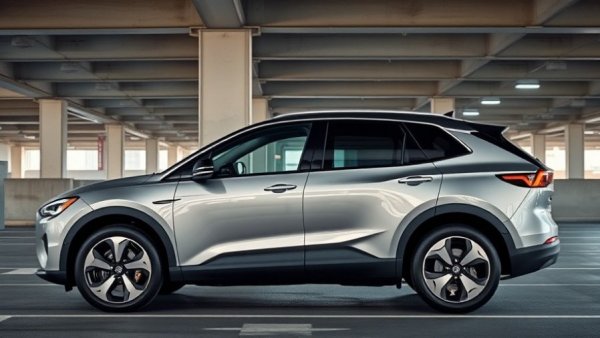
In an astonishing display of technology and human behavior, electric cars in China are engaging in a peculiar form of competition: automated parking. This phenomenon, often described as a choreographed ballet of vehicles, has captured the attention of millions and initiated a conversation about the role of gamification in tech. With vehicles like the Avatr 06 and Avatr 12 at the forefront, this is more than just a technological feat; it's a reflection of cultural trends in modern China.
The Huawei Competition: More Than Just Parking
This bizarre trend can be traced back to a competition hosted by tech giant Huawei, which ran from October 31 to November 13. With over 190,000 entrants, the event not only highlighted advanced driving assistance systems but also showcased a striking juxtaposition between human competition and automated functions. Participants in the ‘Parking Elite’ category demonstrated their prowess by accumulating points through successful parking maneuvers, leveraging technology that makes daily tasks almost entertaining.
The Mechanics of the Madness
The competition motivated drivers to engage with their vehicles through smartphone apps to perform a multitude of parking maneuvers—reportedly, some drivers executed over 1,000 successful park and unpark sequences in a single day! Remarkably, the digital age has adapted the mundane chore of parking into a competitive sport, echoing how video games have transformed other aspects of entertainment, including automotive behaviors. However, curious behaviors were also noted, as some parked their cars outside of competition hours.
Technological Implications and Future Prospects
This event not only highlights the capabilities of smart vehicles equipped with Huawei's Qiankun technology but also raises questions about the future of transportation. With advanced systems now installed in more than two million vehicles across various brands, the practical benefits of these technologies—like easing the parking process—may diminish when participants become more concerned with competition rather than utility.
Cultural Reflections: Gamifying Everyday Tasks
What stands prominent in this scenario is how society often gamifies daily activities to enhance engagement. Automating technology is meant to save us time; paradoxically, it appears we thrive on turning efficiency into a competitive sport. This phenomenon mirrors other aspects of life, portraying our innate desire to quantify success and validate achievements. It's essential to consider how this mindset could impact various industries beyond automobiles, such as solar-powered energy solutions.
Challenges and Considerations Ahead
Although gamifying tasks might seem harmless, it raises potential safety concerns as drivers become distracted by points and rankings. Moreover, if technology advances to the extent of completely automating tasks we once enjoyed, a philosophical dilemma arises: Will we lose the taste for achievement in routine responsibilities? This behavior begs further examination, especially as industries, like renewable energy, strive for efficiency coupled with user engagement.
In conclusion, the intersecting paths of technology, cultural trends, and human behavior create a fascinating landscape for both electric vehicles and potential solar energy applications. For homeowners and businesses interested in embracing green technologies, understanding these trends provides not only insights into current societal behaviors but offers an opportunity to foster innovation in their pursuits for sustainable living.
Explore how you can integrate advanced green technologies in your daily life and contribute to a more sustainable future today.


Write A Comment