
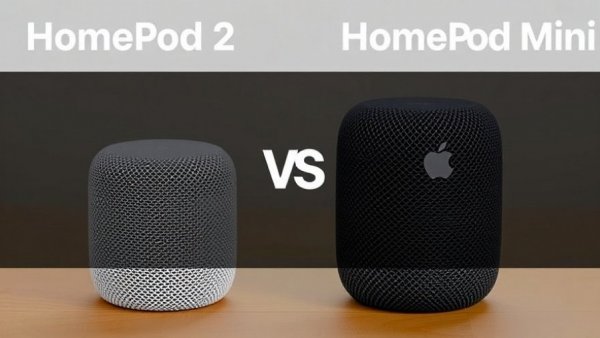
HomePod Mini 2: A Worthy Upgrade for Smart Home Enthusiasts?
As Apple unveils the HomePod Mini 2, users are left contemplating whether it's worth upgrading from the previous generation. With a starting price of $150, the Mini 2 retains a familiar look but promises better performance under the hood. In an era where smart home devices are becoming increasingly pivotal, understanding the enhancements of the HomePod Mini 2 could influence your decision to integrate it into your home audio setup. Moreover, as the demand for seamless integration of audio systems and smart home solutions rises, consumers are keen to explore features that optimize their daily lives.
Design Elements: A Familiar Aesthetic with Upgraded Performance
The HomePod Mini 2 mirrors the first-generation design closely, which might lead to questions about its innovation. Yet, the heart of this device beats with an upgraded Apple S10 chip, enhancing audio processing and response speed. Users can expect a much snappier interaction with Siri—Apple's voice assistant—which is crucial as this speaker seeks to earn its place in futuristic homes filled with smart technology.
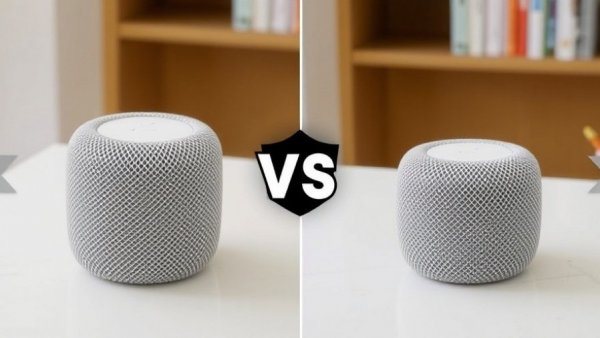
The availability of various colors in the Mini 2 provides users with aesthetic choices to match their home decor, even if the overall shape and size remain unchanged from its predecessor.
In addition to performance improvements, the HomePod Mini 2 introduces a 'Sound Glow' feature. Although minor, this element could add a dynamic visual appeal when playing music, acting as a low-key ambient light. Some users may find this feature an enjoyable addition, enhancing the overall listening experience by creating a more immersive environment. However, the overall design changes may not sway existing users if they seek a fresh aesthetic.
Audio Quality: The Sound Difference
Audio enthusiasts will appreciate that the HomePod Mini 2 does not just rely on marketing hype. Testing revealed that it outperformed its predecessor in real-world audio evaluations. Users noted an increase in loudness and clarity, ideal for filling rooms with quality sound.
The improvements, attributed to the S10 chip, allow for enhanced computational audio adjustments, resulting in a richer listening experience. Comparatively, the regular HomePod—priced around $349—remains the optimal choice for purists seeking superior audio output but the Mini 2 stands out for those on a budget, representing a quality compromise for cost-sensitive consumers.
Streaming through platforms like Apple Music, users can still leverage AirPlay for various audio inputs, making the Mini 2 versatile for any smart home setup. Integration with multiple streaming services means users can access a diverse range of music, catering to different preferences and enhancing the overall user experience.
Siri AI Capabilities: Progress Yet to Come
Though the Mini 2 showcases improved audio, Siri's capabilities have not yet been fully realized. Currently, it provides foundational AI features, which may include basic voice commands for controlling playback and managing smart home devices, but updates slated for the future promise enhanced conversational abilities, pulling information from texts or calendar events. This gap in performance could deter early adopters looking for comprehensive smart home integration. As technology evolves, Apple aims to bridge this gap, but potential buyers might want to weigh the current limitations against their immediate needs.
Future of Smart Homes with HomePod Mini 2
The advancements of the HomePod Mini 2 point towards a trend where audio output and AI functionality become interconnected within smart homes. As more devices adopt functionalities like computational audio and responsive AI, consumers may want to consider how the Mini 2 can fit into their overall ecosystem. The ability to control other smart devices through voice commands provides convenience, making it a valuable addition to a modern household.
As demonstrated, investing in technology now has the potential to enhance everyday interactions and overall convenience, particularly as homes evolve into smarter environments. The integration of devices like the HomePod Mini 2 signifies a step towards fully functional, interconnected smart home systems that streamline daily routines.
Investing in Smart Home Technology
For homeowners and businesses venturing into the realms of solar energy and sustainability, integrating smart technology like the HomePod Mini 2 becomes essential. By acting as a central hub for controlling smart appliances such as energy-efficient lights, smart thermostats, or even automated blinds, this speaker serves as an intuitive gateway for managing home environments intelligently. This functionality is particularly appealing as society increasingly shifts towards sustainable practices and renewable energy sources.
As technology advances further, choices on integrating smart tech will shape future home standards. Thus, understanding devices like the HomePod Mini 2 not only enriches personal daily experiences but also aligns with broader trends in sustainable innovation. Smart technology adoption can lead to significant energy savings, making it a prudent choice for environmentally-conscious consumers.
Incorporating an adaptable smart speaker could therefore be an entry point into a more energy-efficient, technologically-advanced home—making it a noteworthy consideration for modern consumers. As we continue to seek ways to reduce our carbon footprint, the synergy between smart home devices and sustainable living is more important than ever.
Call to Action: Now that you’re informed about the HomePod Mini 2's features and their relevance to smart energy solutions, explore how you can improve your living or workspace with these cutting-edge devices. Understanding technology's role in our lives today will ensure you are well-prepared for tomorrow's innovations.



Write A Comment