
Is the HomePod Mini 2 Worth the Upgrade?
The recent launch of the HomePod Mini 2 has sparked discussions among Apple enthusiasts and potential buyers alike. Its $150 price tag raises the question of whether consumers should consider upgrading from the original HomePod Mini, which has been a popular choice for both casual listeners and Apple aficionados since its initial release. While the design remains largely unchanged, the internal upgrades suggest notable improvements that could influence decision-making, especially for those keen on integrating advanced technology into their homes.
Exploring Design and Hardware Enhancements
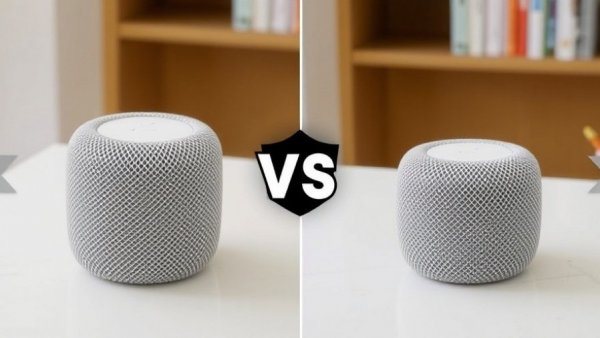
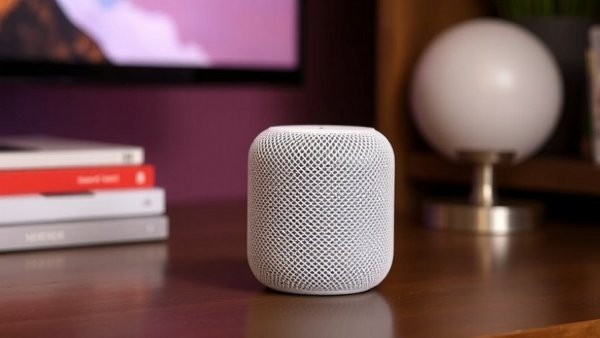
Physically, the HomePod Mini 2 closely mirrors the original model, maintaining the same dimensions and weight. This consistency offers a sense of familiarity for existing users while providing new features underneath the sleek surface. However, the new device features the Apple S10 chip, a significant upgrade from the S5 chip found in its predecessor. This boost in computational power is expected to enhance the device's audio processing capabilities, leading to a more responsive Siri experience and better sound quality overall.
One exciting new feature in the Mini 2 is the Sound Glow option, which allows a soft glow to accompany music playback. While this may not be a game-changer, it does add an aesthetic element that some users might appreciate, particularly in dimly lit environments. Users often seek not just functionality but also style in their tech products, and the subtle lighting can enhance the mood during gatherings or quiet evenings. However, in a market brimming with new functionalities, it's unclear how much this feature will sway buyers who are more focused on performance than aesthetics.
Audio Quality: The Heart of Smart Speakers
Audio quality is paramount for any smart speaker, and initial tests show that the HomePod Mini 2 significantly outperforms its predecessor. In side-by-side comparisons using lossless Apple Music tracks, listeners noted that the new model produced sound that was both clearer and considerably louder. This improvement is notable, especially for those who engage with their music collections in detail. The advanced audio processing capabilities offered by the upgraded chip play a crucial role in these enhancements.
For anyone seeking the best possible audio experience within the HomePod lineup, the larger second-gen HomePod remains unmatched due to its deeper bass and expansive sound range. It's worth noting that while the Mini 2 is an impressive speaker, the investment in the larger model may be more suitable for audiophiles who prioritize superior audio fidelity and are willing to pay $349 for that experience. But for casual listeners, the HomePod Mini 2 certainly offers a substantial upgrade over the original Mini, making it an attractive option for a broader audience.
Siri's Evolving Capabilities
As with any Apple device, Siri AI capabilities play a crucial role in the user experience. However, current capabilities on the HomePod Mini 2 are still maturing. Users have reported limited success with advanced features that are already making waves on recent iPhone and iPad models. For example, while users of these newer devices can enjoy more conversational interactions with Siri, the Mini 2 has yet to fully deploy these features. Ongoing improvements suggest bright prospects for future updates, but for now, the current iteration may not fully cater to users looking for a smart assistant that seamlessly integrates into an advanced smart home ecosystem.
The Bigger Picture: Integration of Smart Technology
The evolution of smart speakers like HomePod Mini 2 reflects broader trends in the tech industry, with more consumers looking to integrate multiple smart devices into their homes. As energy-efficient technologies gain traction among homeowners, smart speakers can play a role beyond music playback—serving as central hubs that connect other home devices, from smart lights to energy management systems. For instance, when paired with smart thermostats or lighting systems, users can adjust their home environment simply by using voice commands through the HomePod Mini 2.
For businesses, understanding these advancements is crucial. Energy providers can capitalize on such trends by promoting compatibility between smart technology and energy solutions, thus addressing homeowners' concerns about rising energy costs and the push for sustainability. Moreover, as public interest in home automation grows, offering bundled energy solutions with smart speakers could be an avenue for businesses to explore, providing an integrated approach that addresses both comfort and energy efficiency.
Final Thoughts: Should You Upgrade?
The HomePod Mini 2 offers substantial improvements in audio quality and responsiveness, making it an appealing choice for current Mini users or anyone looking to invest in Apple's ecosystem. However, potential buyers should carefully consider how these features align with their individual needs. Upgrading might be particularly beneficial for those who rely heavily on music streaming and seek a more robust audio experience, yet might not be essential for users who primarily use the devices for basic tasks.
It may also be essential to anticipate forthcoming enhancements in Siri's capabilities, which could significantly enhance the user experience and further justify the price increase. For those interested in integrating smart technology into their homes while emphasizing energy efficiency, now might be the ideal time to explore available products that harmonize with Apple’s offerings. Equipping your home with the latest smart devices can not only enhance convenience but also contribute to a more energy-efficient lifestyle.
As the landscape of smart technology continues to evolve, keeping an eye on the future advantages of these devices will help consumers make informed decisions. Assessing the long-term value of a HomePod Mini 2, especially in relation to smart home ecosystems, can ultimately lead homeowners and businesses toward more sustainable and effective solutions.



Write A Comment