Understanding the Solar Landscape
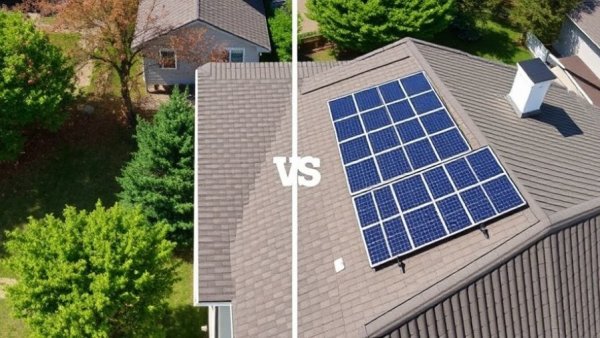
The solar energy landscape is evolving, putting homeowners and businesses at a crossroads: community solar vs. rooftop solar. Both options harness the sun's energy, yet they cater to different needs and preferences. In a world increasingly focused on sustainable energy, comprehending the nuances of these solar solutions becomes essential for smart decision-making.
Cost Comparison: The Bottom Line Matters
The financial implications of choosing between community solar and rooftop panels are complex. With rooftop solar, the initial investment can be daunting. Homeowners must account for the cost of solar panels, equipment, installation, and ongoing maintenance. Nevertheless, studies show that these installations can add significant value to a home. A 2015 report from Lawrence Berkeley National Laboratory indicated that solar homes sold for an average of $15,000 more than non-solar homes. However, the promised increase in value must be weighed against upfront costs and the potential loss of tax credits after 2025.
Community Solar: A Scalable Alternative
For many, particularly those unable to install solar on their roofs, community solar offers a viable alternative. This model allows subscribers to benefit from solar energy without the need to install panels directly. Projects across the U.S. enable households in regions like Minnesota, Florida, and New York to contribute to shared solar farms, often with little to no initial outlay. Reports suggest that community solar can lower electricity costs by 5–15%, making it a financially attractive option for many consumers.
Future Insights: What to Expect in the Solar Sphere
As technology progresses, the solar field will likely continue expanding. Policymakers are increasingly incentivizing renewable energy through various federal and state programs, potentially increasing investments in community solar projects. Additionally, innovations in energy storage technology might allow consumers to derive greater value from rooftop systems, making them more appealing to future buyers. Consumers must stay informed and flexible, adapting to these changes that could shift their best options.
Understanding the Environmental and Social Impact
Environmental considerations significantly influence solar choices. While individual rooftop systems promote homeowner autonomy and could lead to a personal reduction in carbon footprint, community solar projects can serve a broader purpose by pooling resources to create larger installations. Such projects not only democratize access to solar energy but also promote community engagement and local economic development, aligning with the values of environmentally conscious consumers.
Making an Informed Decision
Ultimately, the decision between community solar and rooftop systems hinges on individual circumstances. Homeowners need to evaluate their property's suitability for solar, financial capability, and long-term energy goals. Before making a commitment, potential subscribers should also scrutinize contract terms and assess the local landscape—especially the availability of community solar projects. Engaging with an installer for a comprehensive solar quote can offer pivotal insights tailored to their unique settings.
Call to Action: Connect with Local Solar Experts
In this age of renewable energy transition, the choice between community and rooftop solar is just the beginning. Engage with your local solar providers today to explore how solar can work for your unique circumstances and maximize your energy savings while contributing to a greener planet.




Write A Comment