Revving Up Public Access to Electric Mobility
Envoy, in partnership with the Los Angeles Cleantech Incubator (LACI), is paving a significant path towards electric mobility accessibility through its newly launched car-sharing initiative in New Jersey. Funded by an $8.5 million grant from the New Jersey Department of Environmental Protection (DEP), the program is poised to deploy up to 30 shared electric vehicles across Hudson and Bergen counties. This rollout is not just about convenience; it represents a commitment to sustainable transportation, particularly in underserved communities—areas that have historically been sidelined in the transition to cleaner mobility solutions.
Where Green Technology Meets Community Needs
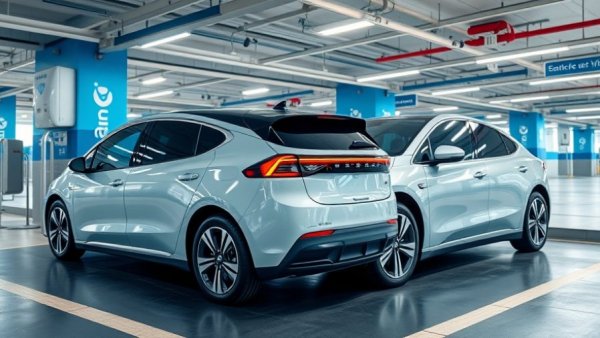
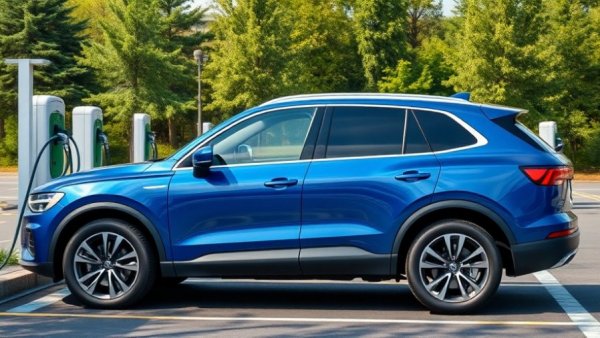
The initiative’s objective is clear: to enhance accessibility to electric vehicles (EVs) in areas where residents live, work, and socialize. By offering a flexible booking system through the Envoy mobile app, community members can rent EVs by the hour or day without the burden of maintenance or insurance, which Envoy manages. Furthermore, the project will establish necessary charging infrastructure at participating properties, ensuring that users have convenient access to charging stations.
Addressing the Infrastructure Gap
Despite the growing push towards EV adoption, many communities lack the necessary infrastructure to support this transition. Robin Heston-Murphy, Chief of the Bureau of Mobile Services at DEP, highlights this disparity, noting that the initiative seeks to integrate urban charging facilities into neighborhoods that have too often been left in the dark regarding sustainable mobility options. This innovative approach could redefine transport accessibility in areas that are crucial to fostering green energy initiatives.
The Environmental and Economic Imperative
As New Jersey aims to meet its environmental goals, projects like this underline the dual benefit of such initiatives: not only do they facilitate greener transportation but they also contribute to local economies. The deployment of shared EVs offers potential savings on transportation for residents, while simultaneously promoting local businesses that participate in the initiative. Inviting hotels, workplaces, and property owners to nominate locations creates a network of opportunities for collaboration and local engagement.
Future Implications for Electric Mobility
This initiative not only marks Envoy and LACI’s first expansion outside California but also signifies a larger trend in mobility solutions. The success of similar programs implemented in Los Angeles demonstrates that with sufficient usage, these initiatives can sustain operational costs while fulfilling community transportation needs. As we move toward a more sustainable future, the intersection of electrification and shared mobility could serve as a blueprint for other states aiming to innovate in transportation.
The convergence of advanced technology and community-focused strategies opens a dialogue about the importance of equitable access to green initiatives. Programs like Envoy and LACI’s can inspire similar projects, further encouraging cities across the nation to consider how infrastructure investments can minimize environmental impacts while maximizing community benefits.
In conclusion, the initiative's emphasis on accessibility, sustainability, and community engagement showcases a forward-thinking model of urban transport that transcends mere convenience and aligns with broader environmental goals. As we look ahead, it's crucial for homeowners and businesses interested in embracing green energy solutions to stay informed about emerging technologies in electric mobility and consider how they can participate in this evolving landscape.



Write A Comment