
Imagine saving up to $3,000 on your energy bills over two decades — just by switching how you pay for electricity. If you’re a homeowner or renter looking for lower utility bills, a power purchase agreement (PPA) could be your secret weapon in the fight against rising energy costs. Let’s uncover how this little-known approach can simplify solar for your household and lighten your financial load—no upfront investments required.
Shocking Solar Savings: The Surprising Impact of a Power Purchase Agreement (PPA)
Did you know the average U.S. homeowner with a power purchase agreement (PPA) could save between $2,500 and $3,000 over 20 years, especially with 2025 incentives?

The power purchase agreement (PPA) is becoming the preferred choice in the United States for those who want renewable energy without the expense and hassle of buying a solar system outright. By locking in a fixed rate for the power you use, PPAs protect families from unpredictable energy bills. Even better, new incentives coming in 2025 are set to make these savings even greater. If you’re worried about maintenance, capital costs, or just want simple cash flow management, a PPA could be the answer. In fact, many first-time solar adopters, renters, and seasoned homeowners are now looking to the PPA as a solution for stress-free, budget-friendly energy.
By the end of this article, you’ll clearly understand how a PPA works, how it stacks up against other purchase agreements or ownership models, and the exact steps to boost your household’s savings.
How Power Purchase Agreements Empower Homeowners in Renewable Energy
Transitioning to renewable energy with a power purchase agreement (PPA) empowers homeowners in the United States to take control of their energy costs. Instead of being entirely at the mercy of your utility company and changing market prices, you gain access to clean energy from a well-maintained solar energy system without worrying about large capital costs or complex contracts. Whether you’re a first-time buyer or simply tired of volatile bills, PPAs make solar energy adoption straightforward. This model allows the service provider, or power producer, to manage the installation, operation, and maintenance, so you can focus on enjoying predictable savings.
What You'll Learn About Power Purchase Agreement (PPA) Solutions
The precise definition and mechanics of a power purchase agreement (PPA)
Key differences between PPAs and other ownership models
Financial benefits, including fixed rates, zero upfront costs, and hands-off maintenance
Strategies to maximize savings with 2025 incentives
Answers to the top questions about power purchase agreements
Understanding Power Purchase Agreements: The Basics of PPAs
What Is a Power Purchase Agreement (PPA)?

A power purchase agreement (PPA) is a special type of supply agreement where a solar provider installs and owns a solar energy system on your property. Instead of buying the system, you agree to purchase the electricity it generates — usually at a fixed rate that’s lower than local utility prices. This arrangement provides immediate energy savings while the power producer handles all the technical aspects, from installation to ongoing maintenance. Unlike a typical purchase agreement, there are zero upfront costs; your monthly payments reflect only the amount of renewable energy your home actually uses.
With a PPA, there’s no need to stress over financing, system maintenance, or complicated installation logistics. The solar power producer remains responsible for the system’s performance and upkeep, leaving you to enjoy the benefits of reliable, green energy. This model’s surge in popularity across the United States stems not only from financial incentives but also its ability to deliver stress-free, environmentally responsible power to more homes, regardless of whether you own or rent.
How Does a Power Purchase Agreement Differ From a Traditional Purchase Agreement?
"A power purchase agreement lets you ‘rent’ solar energy for your home—no need to buy the system yourself." – Solar Clarity Series
Traditional purchase agreements for solar typically put all the responsibility — from initial capital costs to ongoing repairs — on the homeowner. You pay for the full system upfront, manage its insurance, and coordinate repairs. In contrast, a PPA functions more like “energy-as-a-service.” The power producer, not the homeowner, owns the energy system and guarantees its performance. You get a steady flow of renewable power at a fixed price, while the provider takes care of everything else.
This approach can be especially helpful for families with limited upfront cash flow or those hesitant about the details of managing a generation project on their own. With a PPA, your “contract term” is clearly defined, usually spanning 15 to 25 years, and your payments are tied solely to the amount of electricity you actually use — often with an option to buy out the system at the contract's end. The ease and predictability of this model are driving its rapid growth as households look for ways to improve both their budgets and their environmental footprint.
How a Power Purchase Agreement (PPA) Works: Step-by-Step
Paying Only for the Power You Use with a Power Purchase Agreement

A major advantage of a power purchase agreement (PPA) is that you’re billed solely for the power generated and used by your home. After the PPA contract is signed, the provider designs and installs the right solar energy system for your property. Instead of paying for the panels themselves, you pay a set rate for the electricity they supply — much like how you pay your utility company, but typically at a lower, fixed rate.
With this system, tracking your savings is easy. Each month, your bill reflects only your household’s energy use, letting you immediately compare your new costs with past utility bills. Because the power producer maintains the equipment and guarantees performance, you don’t have to worry about extra out-of-pocket service costs or sudden jumps in market price. This “pay as you go” structure is one of the main reasons a PPA provides such significant value, especially as energy rates rise.
Below is a step-by-step animation of what happens when you opt for a PPA—from receiving your solar proposal and signing the contract, to seeing solar panels installed on your roof and watching your utility costs drop. The process is designed to be easy, clear, and accessible for everyone:
Receive a personalized solar proposal and estimate
Review and sign the PPA contract
Provider installs and maintains your solar panels
Start paying only for the renewable energy you use, often at a lower fixed price
See your utility bills shrink and savings increase over time
Benefits of a Power Purchase Agreement (PPA) for Your Home
Zero Upfront Costs with a Power Purchase Agreement
Immediate solar installation
No down payment required
Start saving from day one
One of the most attractive features of a power purchase agreement (PPA) is that homeowners and renters can go solar without making a major investment. The solar provider covers all expenses related to the system’s design, permitting, and installation, making solar accessible to households that might not have large cash reserves. This is a game-changer for those wanting to reap the benefits of renewable energy right away, without having to navigate bank loans, complex supply agreements, or risky financial outlays.
Your involvement in the process is minimal: approve the design, sign the straightforward PPA contract, and start seeing savings with no disruption to your routines. This “plug-and-play” nature of PPAs makes clean energy adoption far less intimidating and much more manageable, especially for those who value convenience and predictability.
Fixed Rates: Protect Yourself from Rising Utility Costs

A top concern for every homeowner is unpredictable energy bills. With a PPA, your cost per kilowatt-hour is fixed for the whole contract term, shielding you from future spikes in utility prices. While utility companies can raise rates at any time due to economic shifts, supply shortages, or changes in the spot market, your PPA rate is locked in from day one. This means you enjoy stable cash flow and can better forecast your household expenses.
Locking in a fixed rate for your electricity also means you don’t need to worry about rising market prices or seasonal fluctuations. Over the typical 20-year span of a PPA, the savings from avoiding periodic rate hikes can really add up—especially when combined with federal and state incentives. This predictability is one of the main attractions for families who want to plan ahead and avoid financial surprises.
Maintenance-Free Operation Simplifies Solar Ownership
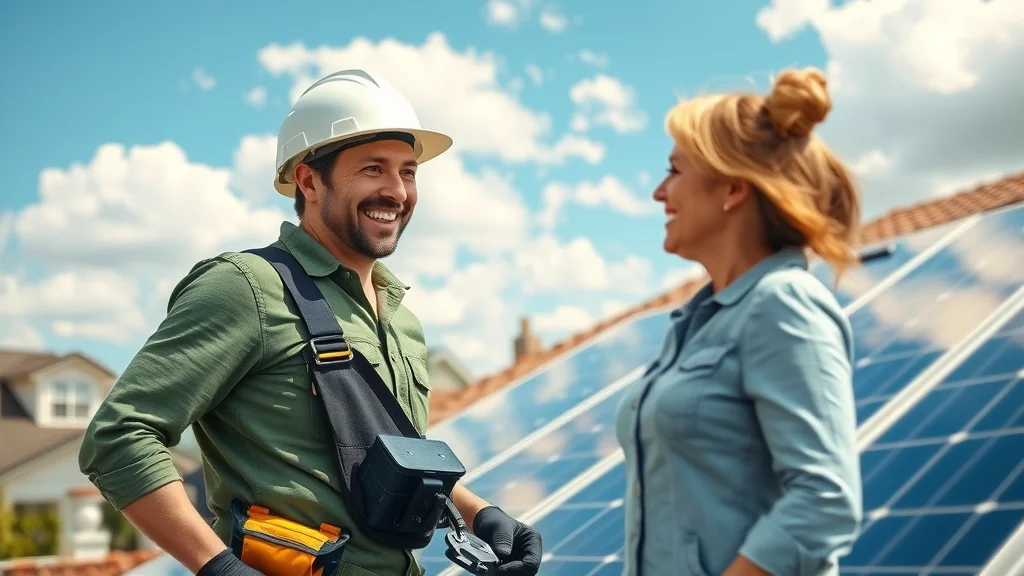
Owning a solar system outright often means handling repairs, cleanings, and occasional troubleshooting. With a power purchase agreement (PPA), all those responsibilities stay with the provider. Your service provider continuously monitors, maintains, and—if necessary—repairs the system at no extra cost to you. This hands-off approach lets you focus on enjoying the benefits of renewable energy, without any of the hassles that come with system management.
For many, this maintenance-free benefit is the difference between wanting solar and actually making the switch. You gain peace of mind knowing experts are making sure your system runs smoothly throughout the contract term, and you never have to budget for surprise repair bills. This is especially reassuring for busy families or anyone new to solar energy.
Power Purchase Agreements and 2025 Incentives: Maximize Your Savings
How Much Can You Save with a Power Purchase Agreement?
Power purchase agreements can substantially lower your total cost of electricity over time. The average U.S. homeowner may save $2,500–$3,000 across a 20-year PPA contract, but this number can grow with federal and state incentives set for 2025. By combining stable, fixed rates with policy-driven rebates and tax credits, the out-of-pocket cost for solar-generated electricity can dip well below that of staying with your traditional utility company. Compare PPA savings with those of standard utility service to see how much you could keep in your pocket.
Estimated Savings Over 20 Years: Standard Utility vs. PPA (with and without 2025 incentives) |
||
Scenario |
Average 20-Year Cost |
Total Savings |
|---|---|---|
Standard Utility (No Solar) |
$25,000 |
– |
PPA (No Incentives) |
$23,000 |
$2,000 |
PPA (With 2025 Incentives) |
$22,000 |
$3,000+ |
Combining a PPA with Renewable Energy Incentives
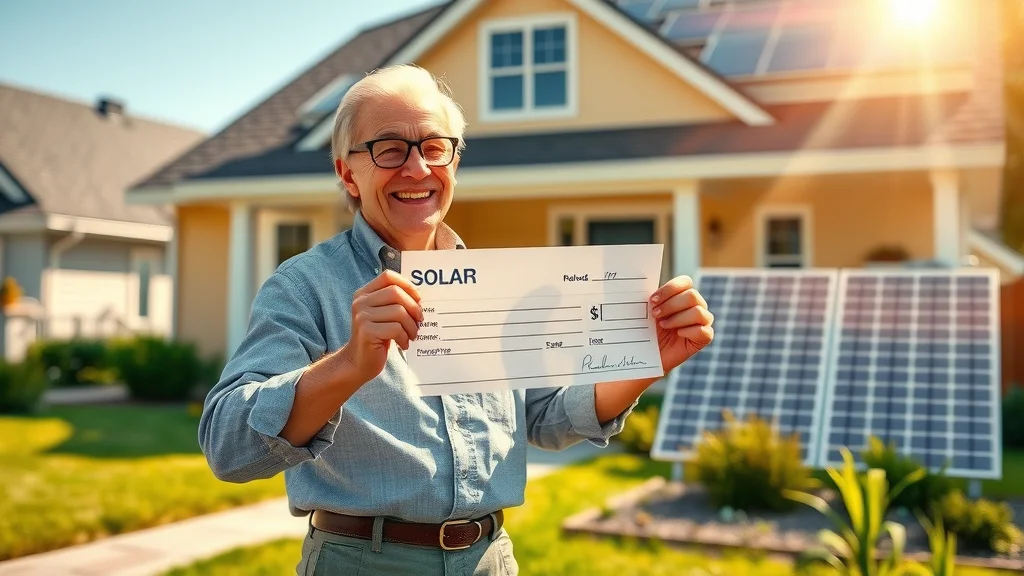
New incentives rolling out in 2025 make PPAs even more appealing. Many state and federal programs offer rebates, tax credits, or other benefits for households switching to a renewable energy source. When your PPA provider qualifies for these incentives, the savings are passed down to you as a customer, usually in the form of even lower rates or extra credits toward your monthly bills.
These policy changes can dramatically improve your household’s cash flow and make solar energy affordable, even if your initial energy needs or budget are modest. By working with reputable providers who understand the current incentive landscape, you’re more likely to maximize the benefits of both your PPA and any renewable energy project rebates for which you qualify.
Types of Power Purchase Agreements: Physical, Synthetic PPAs, and More
Comparing Physical vs. Synthetic PPA Structures
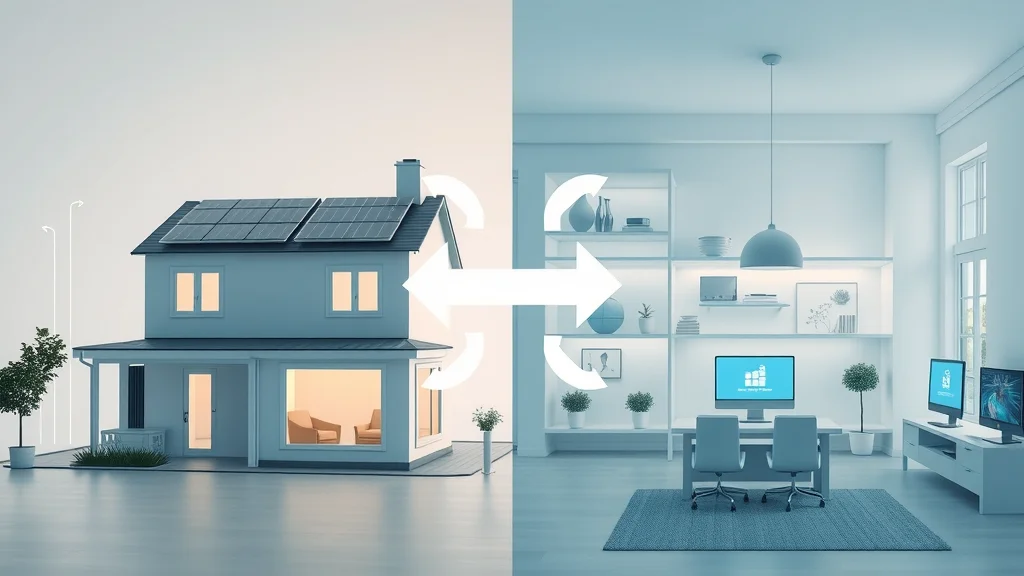
There are several models of power purchase agreements, but the two most popular in the United States are physical PPAs and synthetic PPAs. A physical PPA is what most homeowners use: the provider installs solar panels directly on your property, and you buy the electricity produced right there. A synthetic PPA, sometimes called a “virtual PPA,” is more common in large commercial or institutional settings in the United States. Here, you don’t receive the actual electricity, but instead buy “renewable energy credits” linked to a specific power generation project elsewhere.
In the United States, the physical PPA is the preferred option for residential customers seeking actual renewable electricity flowing directly into their homes. Synthetic PPAs, meanwhile, are often used by companies seeking to offset their carbon footprints without physically altering their own facilities. Both models offer fixed-price or contract-for-difference structures, but for everyday households, local rooftop solar with a PPA generally delivers the most tangible, easy-to-track benefits.
Understanding Synthetic PPAs for Homeowners
While synthetic PPAs make up a growing share of renewable energy contracts in the business world, they remain less common in residential settings. In a synthetic PPA, energy is sold not for physical delivery to your home, but for a financial settlement linked to the output and market price of a specific energy project. Essentially, you receive credits representing renewable energy and financial differences based on spot market pricing, not electricity itself.
For most homeowners, traditional physical PPAs are simpler and more beneficial. However, as the renewable energy market evolves, synthetic PPAs could play a larger role — especially in community solar projects or cooperatives, where customers pool resources to invest in a remote energy source. No matter the type, understanding the structure of your purchase agreement helps you make smarter decisions and maximize your renewable energy impact.
Is a PPA Right for You? Real-Life Scenarios for Power Purchase Agreements
"A PPA lets you enjoy renewable energy and savings without the hassle of system management or ownership." – Solar Simplifier
First-time solar adopters looking to avoid upfront costs
Homeowners seeking predictable monthly energy bills
Renters and those unsure about long-term homeownership

No matter your living situation in the United States, a power purchase agreement (PPA) can be a smart choice for accessing renewable energy. If you’ve ever hesitated because of capital costs or the commitment required by traditional ownership, a PPA offers flexibility with none of the stress. For renters or those uncertain about staying in their home long-term, many PPAs can be transferred or bought out by future buyers, offering more adaptability than a standard lease or outright purchase.
For homeowners focused on budget planning, the fixed-rate advantage of a PPA is hard to beat. And for busy families, the fact that all system maintenance falls to the service provider means one less thing to worry about. Ultimately, power purchase agreements deliver reliable renewable energy and real financial savings across the United States, regardless of your experience level, location, or cash flow situation.
People Also Ask About Power Purchase Agreements (PPA)
What is a PPA and how does it work?
A power purchase agreement (PPA) is a contract in which a third-party company installs, owns, and operates a solar system on your property. You pay only for the energy you use, usually at a lower, fixed rate compared to local utilities. The provider manages all maintenance and repairs.
Is a PPA for solar a good idea?
A PPA for solar can be a great choice for homeowners or renters who want renewable energy benefits with little to no upfront costs, predictable rates, and no maintenance responsibilities. However, it's crucial to read your agreement details and compare with other options before committing.
What is the difference between PPA and PPP?
A power purchase agreement (PPA) is focused on the sale of power generated by renewable energy infrastructure, often solar, to a property owner. A PPP (public-private partnership) is a broader financial and operational collaboration between government and private sector for public projects.
What are the downsides of PPA?
Possible downsides of a PPA include locked-in contracts for several years, limited system customization, and savings that may depend on your usage patterns. It’s also important to review early termination clauses before signing.
Comparison Table: Power Purchase Agreement (PPA) vs. Other Solar Financing
PPA vs. Lease vs. Loan vs. Outright Purchase — Initial Costs, Flexibility, Savings Potential |
|||||
Financing Option |
Upfront Costs |
Monthly Payment |
Maintenance |
Flexibility |
Total Savings |
|---|---|---|---|---|---|
Power Purchase Agreement (PPA) |
$0 |
Yes (for power used) |
Included |
Transferable |
$$$ |
Lease |
$0 |
Yes (fixed lease fee) |
Included |
Somewhat flexible |
$$ |
Loan |
$$$ |
Yes (loan repayment) |
Owner responsible |
Flexible (if paid off) |
$$$–$$$$ |
Outright Purchase |
$$$$ |
No |
Owner responsible |
Very flexible |
$$$$ |
Frequently Asked Questions about Power Purchase Agreements
Who maintains the solar system with a power purchase agreement?
With a PPA, the solar provider is fully responsible for maintenance, system performance, and all necessary repairs at no extra cost to you.Can you sell a home with a PPA attached?
Yes. Most PPAs can be either transferred to the new homeowner or bought out at sale. Check your contract for specific terms.How long do most purchase agreements last?
Most residential PPAs have contract terms between 15–25 years, after which you may have options to renew, buy the system, or remove it.Are there credit requirements for a power purchase agreement?
Providers will usually run a credit check, but PPA requirements are often less strict than for loans because there’s no debt involved.
Real families across America have made the switch to solar through a PPA—without risking large investments. Their stories reveal stress-free transitions to renewable energy, lower bills, and the ease of maintenance-free solar living.
Key Takeaways: How Power Purchase Agreements (PPA) Simplify Solar
A power purchase agreement makes solar affordable and predictable
No upfront costs and zero maintenance
Fixed rates protect against fluctuating utility bills
PPA users can qualify for significant additional savings with 2025 incentives
Ready to See If a Power Purchase Agreement (PPA) Is Right for You?
Visit Solar USA Quotes.com to receive a free ebook, watch our Inspiring American Dream video, and get a free, no-obligation solar quote. Brought to you by Solar Simplifier – ‘Making solar simple, smart, and stress-free,’ and Solar Clarity Series – ‘Clear answers, brighter energy decisions.’
Conclusion
A power purchase agreement (PPA) lets you enjoy renewable energy, predictable bills, and real financial savings—without the hassle or heavy investment typically associated with solar ownership. Explore your options and join the solar revolution today!


Write A Comment