
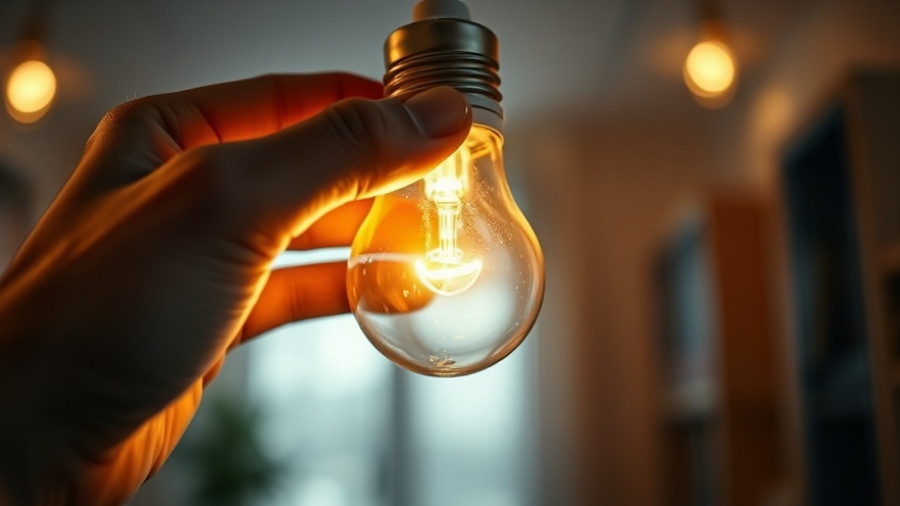
Understanding the Reality Behind LED Lifespan Claims
The burgeoning popularity of LED bulbs stems from their energy efficiency and longevity. However, despite claims suggesting lifespans stretching into tens of thousands of hours, the reality is often more nuanced. Ratings prominently displayed on packaging are typically averages derived from controlled testing conditions, creating a broad spectrum of real-world performance. Insights from experts highlight that while the claims can sound promising—ranging from five to ten years—these figures are not guarantees but rather optimistic estimates subject to multiple variables.
5 Key Factors Contributing to Shortened LED Lifespans
LED bulbs are designed for durability, but various factors can lead to premature failures. They are seldom the light-emitting diodes (LEDs) themselves that fail but rather the internal components, particularly the driver circuits and solder connections. Here are five critical considerations:
- Temperature Regulation: One of the primary culprits behind LED burnout is elevated temperatures. LED bulbs incorporate drivers that convert alternating current to direct current—a process hindered by excessive heat, which can damage sensitive electrical components. Opting for bulbs with effective heat sinks can mitigate this risk.
- Electrical Quality: The integrity of the power supply is crucial. Dirty or uneven electrical supply can lead to inconsistent performance and lowered longevity in LED bulbs. Consider investing in a power conditioner if experiencing frequent bulb failures.
- Installation Conditions: Improperly installed bulbs, such as those screwed in too tightly or used in unsuitable fixtures, can also lead to malfunctions. It’s essential to follow installation protocols to ensure optimal functioning.
- Humidity Levels: High moisture levels can deteriorate the electrical connections within LED bulbs, adversely affecting their performance. Utilizing dehumidifiers can help control indoor humidity.
- Dimming Compatibility: Not all LEDs mesh well with older dimmer switches. If dimming functionality is essential, look for compatible dimmers specifically designed for LED technology.
Installation Tips for LED Bulbs
To maximize LED lifespan, installation must be executed with care. Adhering to these fundamental tips can extend not only their functional duration but also their efficiency:
- Correct Wattage: Always ensure the wattage and voltage match the fixture’s specifications. Over-voltage can cause overheating, leading to failures.
- Secure Installation: Installing LED bulbs correctly is vital; they should be snug but not overly tight to prevent damage to the base or socket.
- Choose Quality Brands: When selecting bulbs, prioritize reputable manufacturers known for quality control, which often leads to longer-lasting products.
Maintaining Your LEDs for Longevity
Routine care and maintenance can significantly affect your LED bulbs' capabilities. Regularly cleaning fixtures and the bulbs themselves helps maintain optimal performance. Dust accumulation not only dims light but can trap heat around bulbs, compromising their efficiency.
Another often-overlooked factor is the use of smart lighting controls. Smart systems can help manage the intensity of light and minimize on-off cycling, which strains LED technology. By choosing intelligent dimming solutions, you enhance overall durability and functionality.
Advantages of Effective LED Care
By committing to proper practices in handling and using LED bulbs, homeowners and businesses stand to gain considerable benefits:
- Cost Savings: Fewer bulb replacements directly correlate to lower expenses over time.
- Environmental Impact: Longer-lasting bulbs contribute to reduced waste and a smaller carbon footprint, aligning with broader sustainability goals.
- Enhanced Light Quality: Consistent performance leads to better lighting solutions enhancing visibility and aesthetic appeal in both homes and commercial environments.
Future Predictions and Trends in LED Technology
The lighting industry continues to evolve, with advancements aimed at improving the reliability and sustainability of LED products. The integration of smart technologies and innovations in materials science are working towards developing even more resilient LEDs. Further, consumer education will be crucial as manufacturers strive to balance performance claims with practical realities.
In summary, understanding the essential maintenance and installation factors of LED bulbs can empower consumers to utilize them to their fullest potential, ensuring they live up to their advertised lifespan. The trend toward energy-efficient lighting is not just a passing phase; it’s a fundamental shift toward more sustainable and economical living. Therefore, informed actions now will dictate how we illuminate our spaces in the future.
If you’re interested in maximizing your energy efficiency and benefiting from the latest developments in sustainable technologies, consider exploring advanced lighting solutions and energy-saving devices for your home or business.


Write A Comment