Understanding Agrivoltaics: A Win-Win Solution
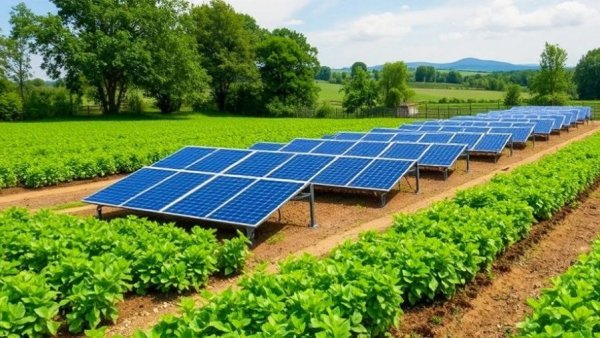
Agrivoltaics is revolutionizing the way we harness solar energy while maximizing agricultural productivity. The concept revolves around using one acre of land for dual purposes — installing solar panels above and growing crops or grazing livestock below. The result? Increased land efficiency and sustainability, enabling farmers and solar energy developers to work in tandem rather than at odds.
Why Dual-Use Makes Sense
The premise of agrivoltaics is simple: while the solar panels absorb sunlight to generate electricity, the crops benefit from the partial shade. Interestingly, this shade can actually enhance crop yields in certain climates. For instance, studies show that vegetables like cherry tomatoes and jalapeños yield significantly more produce when grown under solar panels compared to being fully exposed to the sun. This is particularly beneficial in arid regions, where water conservation is a major concern.
Current Performance and Potential Growth of Agrivoltaics
Despite its advantages, agrivoltaics currently represents less than 5% of solar energy production in the U.S., as reported by the National Renewable Energy Laboratory (NREL). However, the potential for growth is significant, especially in states with hot and dry climates where water resources are limited. As the U.S. grapples with ongoing drought conditions in many areas, the integration of solar technology into farming practices not only addresses the need for renewable energy but also helps in managing the water-farming nexus. For those considering agrivoltaics, it's crucial to analyze local soil conditions, utility regulations, and overall site viability; consulting with solar energy professionals can provide tailored advice on implementing this innovative solution.
Benefits Beyond Crop Yields
Agrivoltaics not only supports sustainable farming but also enhances solar energy production. Solar panels operate more efficiently in cooler conditions, and the natural moisture from crops can help regulate temperatures under the panels, improving their efficiency. Furthermore, by integrating solar with agricultural practices, landowners can diversify their income streams, creating a resilient business model that leverages renewable energy. For instance, the use of sheep to graze beneath the solar arrays not only keeps the land productive but also contributes to soil health by providing natural fertilizer.
Limitations and Considerations
However, agrivoltaic systems are not without challenges. The initial investment is higher than conventional solar farms due to the specialized design requirements, including elevated panel structures that accommodate agricultural activities. Additionally, the variability in crop production under solar panels is a crucial factor; success can often depend on the specific types of crops grown as well as the local environmental conditions. Each specific situation may yield varying results depending on these factors. Therefore, conducting thorough feasibility studies before implementation is essential for stakeholders.
Research and Evidence Supporting Agrivoltaics
Research initiatives funded by the Department of Energy's InSPIRE program have focused on the synergy between agriculture and solar power, highlighting successful case studies across the U.S. For example, at the University of Arizona's Biosphere 2 research site, significant gains in yield were observed for crops grown beneath solar panels. This academic backing strengthens agrivoltaics’ case as a credible agricultural practice, further encouraging investment in this dual-use strategy.
Future Predictions: A Growing Trend
The future of agrivoltaics appears promising as technological advancements and increasing pressure to adopt sustainable practices converge. As the demand for renewable energy grows alongside concerns about food security, agrivoltaics stands at the forefront of innovation. It is expected that as more data and case studies emerge from both successful farms and pilot program initiatives, the adoption rates will increase. Moreover, as governments and communities continue to invest in renewable energy solutions, agrivoltaics could play a critical role in local economies by stimulating job creation in both the agricultural and energy sectors.
Conclusion: Seize the Opportunity in Agrivoltaics
For homeowners and businesses interested in solar energy, agrivoltaics offers a unique opportunity to maximize land use while contributing to both energy production and sustainable agriculture. Engaging with solar energy consultants can provide a clearer understanding of how to implement this approach effectively. By staying informed and proactive in renewable energy solutions, you not only enhance your energy independence but also support sustainable agricultural practices that benefit the broader community and environment.



Write A Comment