Add Row
Add Element
UPDATE

How Solation Achieved 50% Growth by Breaking Into Solar Energy Markets

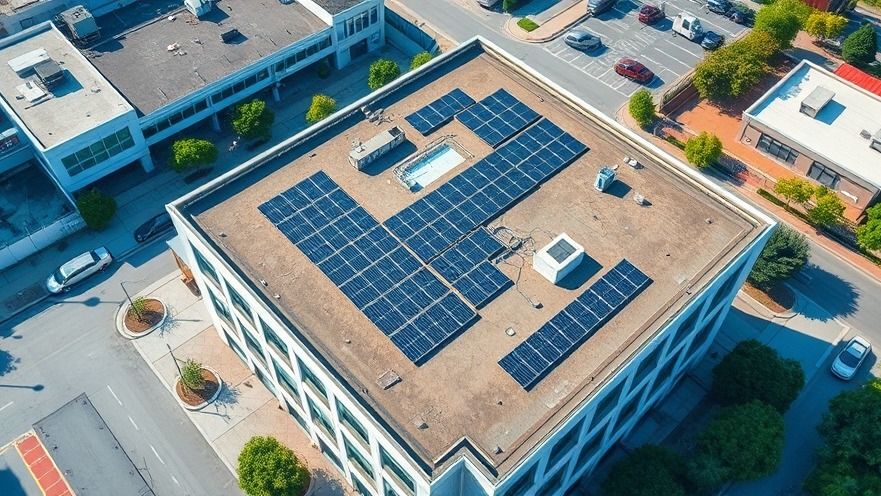
Arial view of a commercial building with solar energy innovation and rooftop panels.


How Solation is Leading the Charge in Solar Innovation

Founded in 2023, Munich-based Solation is transforming the landscape of solar energy distribution in Germany. With innovative solutions that empower landlords to sell solar power directly to their tenants, they are creating a profitable and eco-friendly energy model. Thanks to recent legislative changes, landlords can engage in energy resale without the complexities of being traditional energy suppliers.

Challenges Faced and Overcome

Initially, Solation faced significant challenges with their software stack, hindering their operational efficiency. By transitioning to Scoop's advanced platform, they improved their processes across planning, installation, and energy distribution, helping them achieve a remarkable 50% growth within just six months. This strategic pivot is a prime example of how companies need to adapt and innovate to stay competitive in the evolving energy market.

Expanding Horizons: Beyond Germany

The success of Solation in Germany is just the beginning; the company is eyeing international opportunities. Similar to Brazil's burgeoning solar landscape, where Solatio plans to develop a massive 4 GW solar PV project to facilitate green hydrogen production, Solation could tap into emerging markets. The potential for growth in areas with underserved energy demands is vast, and they could follow in the footsteps of their peers like Solatio by emphasizing sustainability and local partnerships.

Future Trends in Solar Energy

As society places increased value on sustainable living, the demand for accessible solar energy is on the rise. Countries that empower localized energy models, like Solation's, are more likely to experience resilient growth. With over half of Germany’s population living in rental properties, Solation’s model not only increases landlords' revenues but also makes green energy more affordable for tenants, setting a precedent for future energy policies.

A Model Worth Emulating

Solations's approach to enabling direct energy sales is cutting-edge and can serve as a blueprint for energy innovation globally. By leveraging technology and legislation, they’re not only optimizing their operations but also creating win-win scenarios for landlords and tenants alike. This paves the way for discussions around legislative reforms in other regions to facilitate similar initiatives.

In conclusion, as we navigate toward a greener future, learning from innovative companies like Solation is essential. Their growth highlights the importance of adaptability and the potential for sustainable energy distributions, making quality green energy accessible to all.



Industry News & Trends
Related Posts All Posts
10.31.2025

Discover the 7 Best Crypto Wallets of November 2025 for Security

Update The Rising Importance of Crypto Wallets in 2025 As digital currencies become increasingly mainstream, the usefulness of crypto wallets has surged. The 2025 Gemini survey indicated that 24% of adults are now holding cryptocurrencies, a noticeable uptick from 21% in 2024. This translates to millions more individuals requiring secure methods to store their digital assets. With an alarming rise in rates of theft and fraud surrounding cryptocurrencies, it has never been more crucial to understand how crypto wallets function, how they store assets, and what features to consider when selecting one. Differences between Hot and Cold Wallets Crypto wallets are broadly classified into two types: hot wallets, which are online and usually more user-friendly, and cold wallets, which store assets offline and offer enhanced security. According to recent data, the number of active stablecoin wallets soared by 53% year-over-year, indicating a shift towards using wallets for payments and savings rather than merely investment speculation. Crypto wallets are evolving into "superapps" that provide numerous features including staking, decentralized application (dApp) exploration, and integrated exchanges. Top Recommended Crypto Wallets for 2025 Here’s a closer look at our top wallet recommendations based on their functionalities, user reviews, and security features: Base App (formerly Coinbase Wallet) - An all-in-one solution for beginners offering easy onboarding and integrated dApps. Trezor Safe 7 - Designed for long-term investors, providing unparalleled security with an open-audit secure chip. Ledger Nano Gen5 - With advanced features for AI integration, it's ideal for users managing diverse portfolios. SafePal X1/S1 - A budget-friendly option for secure hardware storage. ZenGo - Leverages MPC technology to eliminate traditional seed phrases, making it user-friendly for mobile users. How to Choose the Right Wallet for You Selecting a crypto wallet isn’t one-size-fits-all. Understanding your needs, whether you're a newcomer or an advanced trader, is essential. Here are a few considerations: Focus on Security: A wallet should enable you to retain control over your private keys. For the highest level of safety, consider cold storage options. Asset Compatibility: Make sure the wallet supports your preferred assets to avoid any future restrictions on trading. Fees: Look for transparent fee structures that suit your trading habits, especially with hot wallets which may involve transaction fees for each movement of assets. Future Insights and Emerging Trends As the crypto landscape evolves, it’s apparent that innovative wallet features are becoming essential. The integration of decentralized finance (DeFi) capabilities and user-centric security measures are trending topics. The rise of user-friendly yet highly secure wallet technologies like ZenGo challenges traditional norms and provides a glimpse into a future where crypto management becomes accessible to the average user. Conclusion: Empowering Your Crypto Experience Selecting the right crypto wallet can significantly impact your overall cryptocurrency experience. As more users delve into various digital currencies, being informed about different wallet options will help you make choices that align with your investment style and security needs. Take the time to explore these wallets further as their functionalities may surprise you—and empower your crypto journey!

10.31.2025

Transforming EV Battery Recycling: The Impact of Molten Salt Technology

Update The Revolutionary Molten Salt Process for EV Batteries In a groundbreaking development in the realm of sustainable energy, researchers at Huazhong University of Science and Technology have introduced a novel molten salt technique that effectively regenerates high-performance lithium-ion battery cathodes. This method, particularly pertinent for electric vehicles (EVs), promises not only to recycle valuable battery materials but also to restore their original structural integrity and performance potential. Understanding the Meltdown The focus of this innovative research is on a specific battery material, NCM811 (LiNi0.8Co0.1Mn0.1O2), acclaimed for its high energy density. Over time, as these batteries are cycled through charging and discharging phases, their efficiency diminishes due to lithium loss and structural defects. Standard recycling methods typically strip these batteries down to their core metals, resulting in a loss of atomic structure that hinders subsequent energy efficiency. However, the molten salt process diverges from traditional recycling by using a ternary mixture of lithium hydroxide, lithium nitrate, and lithium salicylate. When heated, this mixture liquefies, allowing lithium ions to permeate damaged cathode materials. This action not only facilitates the penetration of lithium but also reorganizes atoms to revitalize the crystal structure that enhances storage capacity. Performance Gains and Environmental Benefits The effectiveness of this method is striking. Regenerated cathodes achieved an impressive initial discharge capacity of 196 mAh/g, retaining 76% of that capacity even after 200 cycles. Such resilience places this approach ahead of many existing recycling solutions. The process maintains operational temperatures lower than traditional techniques and eschews the use of harsh acids or toxic solvents. This not only simplifies the recycling process but significantly reduces associated energy demands and environmental risks, aligning with the broader goals of sustainable technology. A Future of Circular Battery Economy As electric vehicle adoption surges globally, the need for effective recycling methods becomes paramount. The molten salt technique illustrates a potential paradigm shift towards closed-loop systems in battery production, where end-of-life batteries are seamlessly converted back into high-quality materials for new battery cells. Such advancements could play a pivotal role in reducing waste, lowering production costs, and minimizing environmental footprints associated with battery lifecycle management. Next Steps in Research and Implementation While current results are promising, the researchers emphasize the importance of further optimization for industrial applications, alongside comprehensive life-cycle assessments to evaluate environmental impacts fully. The vision is clear: to ensure that used batteries contribute to a sustainable energy future rather than being relegated to landfills. Homeowners and businesses interested in harnessing green energy solutions, particularly those contemplating the integration of electric vehicles into their operations, should pay close attention to these advancements. The molten salt process not only highlights a breakthrough in recycling technology but signals vast potential for cost-effective, high-performance energy solutions wafting on the horizon. Take Action Towards Sustainable Solutions With this understanding of innovative battery recycling techniques, consider exploring how transitioning to electric vehicles and supporting sustainable battery technologies can benefit your energy goals and environmental impact.

10.30.2025

Why Younger Talent Chooses Sustainable Employers: The Solar Advantage

Update What Drives the Younger Workforce?The dynamics of the workforce have shifted dramatically with the arrival of younger generations, particularly Gen Z and Gen Alpha. As new research emphasizes, traditional metrics of job satisfaction such as salary and benefits are increasingly supplemented by personal values alignment. The focus has shifted towards companies that demonstrate a robust commitment to social responsibility and environmental stewardship.In 'Why Younger Talent Chooses Sustainable Employers', the discussion dives into the pivotal factors shaping job choices among younger generations, prompting a deeper analysis of the solar industry's impact on recruitment and retention. Why Companies Must Adapt to New Generational ValuesAccording to a 2025 survey by Deloitte, a significant 70% of Gen Z and millennials evaluate a prospective employer's environmental policies before making employment decisions. This value-driven recruitment strategy is crucial as younger workers prioritize stability, trustworthiness, and social responsibility in their employment experiences. With the economic uncertainties shaped by prior financial crises and growing awareness of climate change, these cohorts are placing substantial importance on aligning personal and corporate values.The Impact of Solar on Attracting TalentEmployers are seeing a powerful tool in solar investment for attracting younger workers. As highlighted in the original video, having solar energy integrated into business practices showcases a company’s concrete dedication to sustainability, differentiating it from old-school ESG (Environmental, Social, and Governance) commitments. The tangible display of solar capability strengthens recruitment, as applicants can see direct actions rather than vague commitments. The data support these claims: a staggering 94.5% of individuals aged 18-30 express concern for climate change, indicating the importance of environmental initiatives in workplace choices.Cost Reduction through Solar AdoptionBeyond the recruitment perspective, the integration of solar energy into business operations substantially cuts down operational costs, proving beneficial for both the company's bottom line and its employees’ satisfaction. Case studies like Crayola illustrate this; their branding centers on products manufactured with 100% solar energy, responsibly marketed to eco-conscious consumers. This strategic branding not only attracts talent but also reinforces customer loyalty, turning environmental responsibility into a competitive edge.Long-Term Benefits for EmployersInvesting in solar energy thus serves dual purposes: enhancing the company’s operational efficiency and attracting top talent who are concerned about sustainability. By consciously choosing to implement renewable energy solutions, organizations turn their workplaces from mere employment venues into fulfilling careers defined by shared values and environmental consciousness.Conclusion: The Road Ahead for EmployersAs the strains of our current climate crisis continue to evolve, businesses must adapt to meet the expectations of a new generation of workers. There is a clear trajectory towards solar energy's role in not only enhancing job satisfaction but also in aligning a company's mission with the progressive values of younger generations. For companies wanting to attract and retain this new talent, investing in solar is not a mere trend but a profound commitment to a sustainable future.

Terms of Service

Privacy Policy

Core Modal Title

Sorry, no results found

You Might Find These Articles Interesting

T
Please Check Your Email
We Will Be Following Up Shortly
*
*
*