Add Row
Add Element
UPDATE
April 01.2025
3 Minutes Read

The Lighter Side of Electric Mobility: April Fools’ Pranks Inspire Innovation

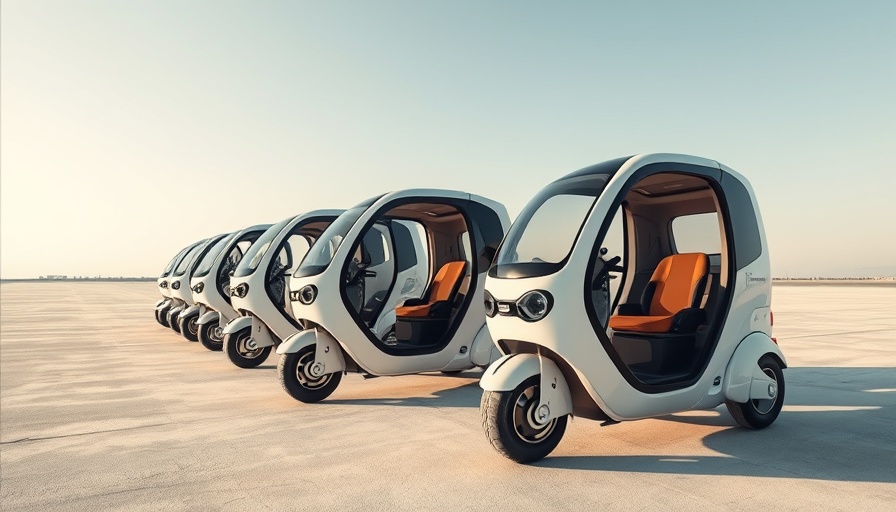
Futuristic electric pods representing April Fools pranks in mobility.

Embracing Humor in eMobility Innovations

April Fools’ Day often serves as a unique lens through which the world of innovative technologies is viewed, especially in the sector of electric mobility. This year’s pranks showcased not just creativity but a sharp commentary on our current state of electric vehicle (EV) progress and infrastructure. From whimsical charging mat technology to ludicrous transportation concepts, these jokes remind us of the lighter side of a serious transition to green energy.

Charge-Up Your Love Life: The Speed Dating Charging Station

One of the standout pranks this year was from EWE Go, who proposed a speed dating concept at charging stations. This innovative idea cleverly combines the necessity of vehicle recharging with social interaction, tackling the often stagnant experience of waiting for an electric vehicle to charge. As a representative from EWE Go noted, “Our charging points are usually located where customers spend a little more time, such as when shopping. So why not use the charging time in the supermarket car park for a nice get-together?” The implication here isn't just about charging cars but redefining how we perceive downtime—turning it into valuable social engagements.

The Mobile Toilet: A Humorous Take on On-Demand Solutions

Hyundai took a more absurd route with their fictitious product, Mobilet, which is described as an autonomous toilet that arrives via app request. With the tagline insinuating that it’s just a few minutes away when nature calls, Hyundai's prank showcases the growing expectation for on-demand solutions in urban settings. This imaginative spin on the serious innovations we expect in autonomous vehicles underscores an intrinsic modern dilemma: accessibility of essential services during travel.

Leap Into Charging: The Exercise Mat Concept

Leapmotor's idea of a charging mat that uses kinetic energy from physical activity stood out as another wildly entertaining concept. Touted as a way to charge your EV while exercising, the suggestion that hopping up and down could generate enough energy to charge a battery raises an interesting query about the potential of human energy harnessing in transportation. Imagine if leisure activities could contribute directly to our transportation needs; this kind of future seems both improbable and amusing.

Laughing at the Industry’s Seriousness

While these playful ideas are humorous, they also touch on significant challenges faced by the EV industry. The fact that they originate from real concerns—like how to efficiently utilize charging time—exposes a gap in genuine innovation. April Fools’ pranks like those from ChargeUp Europe highlight the absurd lengths companies might go to when traditional technological solutions feel lacking.

Government Regulations and the Future of eMobility

In a more serious vein, Eurotransport circulated a rumor about new German taxes on powerful diesel trucks. This policy direction, aiming to curb heavy-duty diesel sales in favor of greener options, poses a direct challenge to the resilience and adaptability of the electric transportation industry. Lighthearted jokes aside, regulations such as these are crucial to accelerating the transition to eMobility. The laughter from the April Fools’ Day posts contrasts sharply with the urgency for action in real-world environmental policies.

Conclusion: Finding Balance Between Humor and Innovation

While April Fools’ Day provides countless laughs, there's also a sincere call to action. It encourages stakeholders in electric mobility—from homeowners and businesses interested in sustainable practices to influential policymakers—to continue pushing the envelope of innovation. As we ponder the potential for kinetic charging mats and autonomous mobile toilets, we must also consider the practical steps toward a greener future. Let's leverage this humor as motivation, proving that even technology can benefit from a laugh as we charge ahead into the future on the pathways of electric mobility.

Industry News & Trends

Write A Comment

*
*
Please complete the captcha to submit your comment.
Related Posts All Posts
04.10.2026

Serbian Post's Electric Van Expansion: A Model for Sustainable Logistics

Update Sustainability Takes a Front Seat in Serbia's Last-Mile DeliveryThe recent addition of 100 electric vans to the fleet of Serbia’s state-owned postal service, Pošta Srbije, marks a significant step towards a greener, more efficient logistics system. These new electric delivery vehicles, supplied by US manufacturer Cenntro, underline a growing trend in sustainable transport within Serbia, as global efforts towards climate change mitigation intensify.Past Efforts and Future GoalsPošta Srbije has made notable strides in electrifying its fleet since 2023, beginning with the procurement of 31 Logistar 200 electric vans. The postal service continued its commitment to sustainable operations with the purchase of 95 Logistar 260s in 2024, as well as 216 e-scooters to bolster last-mile delivery services. As Zoran Anđelković, the Acting Director of Pošta Srbije, pointed out, the ongoing modernization of their delivery vehicles not only improves efficiency in urban areas but also helps lower operational costs and contribute to sustainable development.The Role of Electric Vehicles in Urban LogisticsThe introduction of these electric vans comes at a time when urban logistics face unprecedented challenges. Traditional delivery methods are often unable to cope with the congestion and pollution caused by internal combustion engines. The Logistar 210V, one of the new additions, showcases practical advantages with a payload capacity of 1,020 kg and a cargo space accommodating various delivery needs. Its impressive range of 218 km and 45-minute DC fast-charging capability reflects the rise of electric solutions tailored to modern urban demands.Integrated Solutions for Sustainable DeliveryIn a unique move, Pošta Srbije is integrating the Commuter X, an electric compact car from Cenntro’s Avantier brand, into their fleet. While differing from conventional vans, this vehicle is designed for courier deliveries, further diversifying the company's options for efficient urban transport and showcasing a flexible approach to meeting customer needs.Broader Implications for Green TransportationThe Serbian postal service’s investment in electric vehicles exemplifies a broader regional and global shift towards eco-friendly transportation solutions. While many postal services around the world are exploring the adoption of electric vans, Serbia’s commitment to strengthening their electric fleet could inspire other countries in the region to evaluate their own logistics and delivery strategies in light of environmental imperatives.Future Predictions: A Wave of Electric VehiclesLooking ahead, Pošta Srbije plans to procure an additional 438 electric vehicles, further enhancing their commitment to sustainability. As global advancements in electric vehicle technology continue to make strides, it is likely that this trend will manifest in various sectors beyond postal delivery, including retail and food services. The impending tender for these vehicles indicates an ongoing expansion of electrification that could redefine logistics in Serbia.Actionable Insights for Homeowners and BusinessesThe steps taken by Pošta Srbije should resonate with homeowners and businesses interested in sustainable practices. For those looking to adopt solar energy solutions or electric vehicle technologies, understanding the benefits of reducing carbon footprints and improving energy efficiency can be pivotal. Embracing electric transport might not only be more environmentally friendly but could also lead to significant financial savings in operational costs over time.Conclusion: The Future of Eco-Friendly LogisticsSerbia’s investment into electric delivery vehicles illustrates a key turning point for the logistics sector, highlighting the importance of sustainability in modern practices. As organizations recognize the value of reducing their carbon emissions, the integration of electric vehicles into operational frameworks will likely grow. Pošta Srbije stands at the forefront of this change, setting a standard for how public services can lead efforts toward greener urban logistics.

04.09.2026

Opel & Peugeot: Overcoming Long Delivery Times for EVs with Solar Innovations

Update The Growing Demand for Long-Range Electric Vehicles In today's rapidly advancing automotive landscape, long-range electric vehicles (EVs) are becoming increasingly essential for both individual consumers and businesses. Companies like Opel and Peugeot, part of the Stellantis group, are experiencing significant challenges in meeting this growing demand, particularly for their long-range variants. The issue extends beyond mere consumer desire; it highlights a critical juncture for automakers balancing supply chain capabilities with customer expectations in an ever-competitive market. Delivery Delays: A Frustrating Reality Opel and Peugeot have recently announced that their long-range electric models, including the Grandland and the e-3008/e-5008, are suffering from delivery delays stretching into 2027, due to production snags linked to battery supply. Reports suggest that manufacturers are struggling to procure high-capacity 97 kWh batteries, which are critical for enhancing vehicle ranges. Customers willing to pay a premium for these advanced batteries are left in a lurch, facing lengthy waiting periods that can lead frustration and cancellations. This situation has been exacerbated as dealers attempt to manage customer expectations while bearing the burden of costs incurred through the waiting times. Many customers are cancelling orders or seeking temporary replacement vehicles, which highlights the ongoing strain the automotive market is experiencing during this transition to electric mobility. The Underlying Causes of Production Snags The reasons behind these delivery delays are multi-faceted. Reports indicate that Stellantis is prioritizing fulfillment for B2B fleet customers, who currently represent nearly 90% of their orders. Meanwhile, smaller-scale private consumer orders are being sidelined. According to reports from Automotive Cells Co., one of the key suppliers, production output has drastically fallen short of expectations, limiting the number of long-range batteries available for installation. The ramp-up of battery manufacturers like Automotive Cells Co. has been described as “very difficult,” raising concerns about how manufacturers will meet upcoming demand. With the automotive sector gravitating towards sustainability, these production difficulties put immense pressure on established automotive giants as they transition to a greener model of transportation. Future Implications for Green Energy Adoption The delays faced by Opel and Peugeot send a ripple effect across the emerging green energy landscape. As awareness around sustainable practices grows, so too does the importance of having reliable transportation options. Instabilities in the production of EVs reflect the broader challenges that the green energy and transportation sectors face as they strive for sustainability and consumer adoption. Homeowners and businesses eager to adopt green technologies, including solar energy systems and electric vehicles, must keep an eye on these developments. Delays in EV manufacturing may slow down uptake rates and delay the transition towards cleaner energy solutions. Strategies to Navigate EV Market Trends For consumers seeking to engage with the electric vehicle market, navigating delays can be challenging but not insurmountable. Here are some essential insights to consider: Stay Informed: Keeping abreast of industry trends and news updates can equip potential buyers and businesses with the knowledge they need to make informed decisions about when to purchase an EV. Consider Alternatives: If a long-range variant is not available in the desired timeframe, explore alternatives that meet your driving needs and budget while still contributing to the green energy movement. Seek Financial Incentives: With many governments offering incentives for electric vehicle purchases, understanding available financial aids can facilitate a smoother transition into EV usage. Call to Action: Embrace the Future of Green Transportation The growing transitions to electric vehicles represent more than just a trend; they signify a shift towards a more sustainable future. Homeowners and businesses should proactively explore solar charging options and EV integration as part of their comprehensive green practices. Aligning your energy needs with these advancements can not only reduce your carbon footprint but also enhance your overall energy independence.

04.08.2026

Exploring the SolarEdge Nexis: A New Era in Stacked Solar Design

Update The Innovative Design of SolarEdge Nexis In recent developments within the solar industry, SolarEdge Technologies has introduced a compelling new product: the SolarEdge Nexis. This innovative stacked design aims to revolutionize how photovoltaic (PV) modules are conceptualized and installed, promising significant advancements in efficiency and installation processes.In 'SolarEdge Nexis - A New Stacked Design', the discussion dives into innovative solar technologies, exploring key insights that sparked deeper analysis on our end. Understanding the Stacked Design Concept The SolarEdge Nexis features a unique stacked architecture that allows multiple PV modules to be efficiently stacked together. This design reduces the footprint of solar arrays, facilitating easier installation and maintenance. The lightweight structure aids in lowering logistical costs and simplifies the mounting process, particularly in residential applications where space is often limited. Benefits of the Nexis Technology One of the primary advantages of the Nexis is its enhanced power conversion capabilities. By integrating microinverter technology directly into each module, SolarEdge ensures optimized energy harvest throughout the day, regardless of shading or directional discrepancies. This proves invaluable in urban landscapes, where shading from adjacent structures can hinder solar performance. Market Implications and Regulatory Considerations As the solar industry continues to grow, market players must stay informed of regulatory considerations that accompany such innovations. The introduction of products like the Nexis aligns with many jurisdictions’ goals of promoting renewable energy consumption and carbon neutrality. Understanding the incentives and hurdles presented by local regulations will be critical for businesses looking to capitalize on these advancements. Looking Ahead: Future Trends in Solar Design The direction taken by SolarEdge with the Nexis reflects broader trends within the solar industry, indicating a shift toward more compact and efficient solar solutions. As technologies evolve, the convergence of improved aesthetics with greater functionality will likely draw more homeowners to solar adoption, thus impacting market growth exponentially. In the coming years, investors and stakeholders should watch for innovations that further streamline solar energy processes while ensuring compliance with emerging policies. Challenges and Diverse Perspectives While the Nexis presents numerous benefits, there are also challenges that may arise. Industry insiders express varying perspectives on the reliability of stacked designs over traditional module configurations. Concerns regarding long-term durability and performance under less-than-ideal conditions have been raised. As the market tests these new products, gathering data on their performance will be essential in addressing these concerns. Final Thoughts and Industry Impacts The release of the SolarEdge Nexis is a noteworthy advancement in the solar energy landscape, showcasing a possible future in which solar technology not only adapts to environmental constraints but also fulfills energy demands effectively. For stakeholders in the solar market—whether they are technicians, investors, or regulatory bodies—staying informed about the transformations stemming from such technological advances is paramount for strategic planning. As professionals and businesses navigate these shifts, they should leverage insights that align with their operational goals while preparing to engage with the evolving policy landscape surrounding renewable energy.

Terms of Service

Privacy Policy

Core Modal Title

Sorry, no results found

You Might Find These Articles Interesting

T
Please Check Your Email
We Will Be Following Up Shortly
*
*
*