Add Row
Add Element
UPDATE
March 15.2025
3 Minutes Read

Tesla's Exclusion from Canada EV Rebates: What Homeowners Must Know

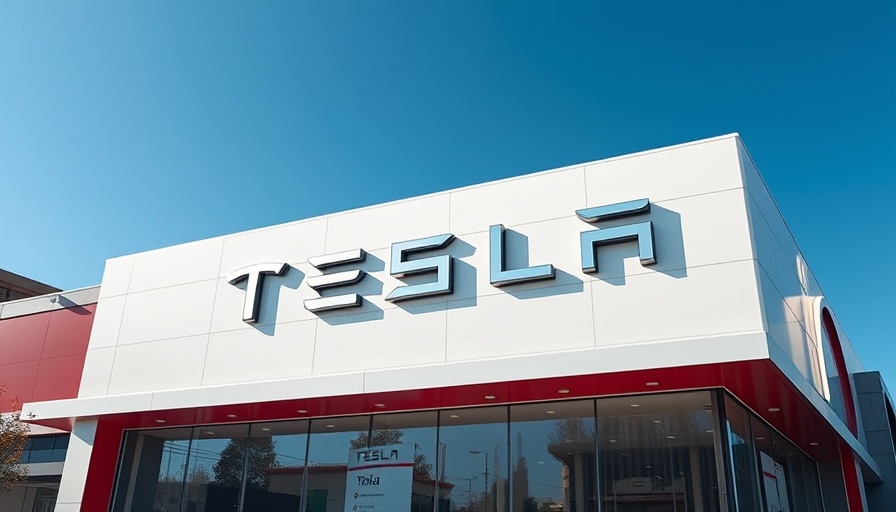
Tesla dealership facade with bold logo, TSLAEV Rebate Exclusion Canada.

British Columbia Excludes Tesla from EV Rebate Program

The ongoing trade tensions between the US and Canada have recently impacted electric vehicle (EV) infrastructure in British Columbia (BC). As of March 12, the BC government announced that Tesla products, including EV chargers, inverters, and the Powerwall home battery system, will no longer qualify for rebates under their provincial EV charger rebate program. This decision, driven by a desire to prioritize Canadian-made goods amid rising tariffs on imports from the US, has ignited a wave of criticism given that other US-manufactured products still remain eligible for rebates.

The Rationale Behind the Exclusion

Premier David Eby articulated the exclusion's motivation by emphasizing a need for fiscal responsibility and accountability to BC taxpayers. He stated that being perceived as funneling taxpayer money to Elon Musk's company was unacceptable. His sentiments echoed a growing sentiment of geopolitical caution, with many Canadians uneasy about the implications of US tariffs and trade policies on the domestic economy. The government's decision underlines a strategic intent to foster a “Buy Canadian” ethos, which resonates with local values amid the political landscape influenced by US business practices and tariffs.

Electrification Regressive for Some?

Critics of the ruling have voiced concerns about favoritism towards Canadian companies at the expense of a globally competitive market. With approximately 95% of products eligible for rebates still hailing from the US, why should Tesla be pinpointed for exclusion? The move to opt-out of Tesla results in restrictions that hinder potential growth and the accessibility of solar and green energy solutions. Such practices could instill reluctance among homeowners and businesses eager to embrace green technologies but unsure of their fiscal sustainability in such a divided political environment.

Future Implications of the Exclusion

The ramifications of this exclusion could extend beyond just Tesla; they may cripple the market for clean energy as a whole if consumers turn to domestic alternatives perceived as inferior or restrictive. Data from the Canadian Electric Vehicle Association reports that three out of ten new car sales should be electric by 2030, but with these legislative hurdles, meeting these targets may prove challenging if consumers cannot access the best options available in the market.

The Impact on Consumers and the Energy Landscape

For consumers in British Columbia, these changes underscore the importance of staying informed about the evolving landscape of incentives in the green energy space. Moving forward, Tesla owners who leverage these incentives before the cutoff retain some benefits, but the gap for future users widens. As broader implications for the EV market unfold, consumers may need to align their expectations with a potentially limited range of choice in the future, factoring in both product quality and available subsidies.

The Role of Market Innovations

The cancellation of rebates for Tesla products urges an exploration of innovative local alternatives or enhanced support for domestic technology. The transition to a greener economy hinges on investment in local technology solutions while balancing competitive pricing and product performance. Initiatives promoting research and development of Canadian-made products should be taken to avoid a reliance on foreign goods, ensuring a robust EV infrastructure for BC’s future.

Conclusion: The Importance of Understanding Legislative Changes

The exclusion of Tesla from the BC rebate program serves as a reminder of the intricate layers of policy-making embedded within the realm of clean energy. Homeowners and businesses interested in solar and electric vehicles must remain engaged in local policy discussions. The crossover between green energy aspirations and legislative backing signifies a pivotal moment for the province’s energy future. Adopting a proactive stance in understanding changing policies can equip consumers to navigate this uncertain landscape and voice their preferences to ensure continued growth in the green energy sector.

Stay informed and engaged as the situation develops to harness green technologies effectively and responsibly, ensuring a cleaner future for all.

Policy & Insight

Write A Comment

*
*
Please complete the captcha to submit your comment.
Related Posts All Posts
04.07.2026

The EPA's New Proposal: What Homeowners Need to Know About Microplastics in Drinking Water

Update Understanding the Dangers of Microplastics in Drinking Water In a significant move, the Environmental Protection Agency (EPA) has proposed adding microplastics and pharmaceuticals to its list of contaminants in drinking water for the first time. EPA Administrator Lee Zeldin publicly stated that this action addresses widespread concerns voiced by Americans regarding the safety and quality of their drinking water. Through these efforts, the EPA aims not only to enhance public safety but also to respond to advocacy from health officials and environmentalists alike seeking stronger regulations on harmful contaminants. The Impact and Relevance of the Announcement The seriousness of microplastic contamination cannot be understated. These minuscule particles, originating from the breakdown of larger plastics, have infiltrated virtually every aspect of modern life, found in everything from drinking water to the food we consume. Research indicates microplastics have been detected in human organs such as the brain and lungs. The growing body of evidence raises alarms about potential health implications, including links to cancer, cardiovascular diseases, and reproductive health issues. Therefore, recognizing these substances as contaminants is a pivotal step in safeguarding public health. What Does This Mean for Policy and Regulation? While the proposal marks a critical first step, it may also signal a protracted journey toward comprehensive regulation. Environmental advocates, such as Judith Enck from Beyond Plastics, view the inclusion of microplastics on the EPA’s Contaminant Candidate List as vital groundwork for future regulations. Yet, critics worry about the pace of actual regulatory changes. The EPA has historically been slow to implement site-specific limits, often leaving communities vulnerable to these contaminants for extended periods. Microplastics and Pharmaceuticals: Twin Threats to Our Drinking Water In addition to microplastics, the EPA is scrutinizing various pharmaceuticals contaminating our water supply, ranging from hormones and antibiotics to antidepressants. The conventional wastewater treatment processes often fall short in effectively removing these harmful substances, perpetuating their presence in drinking water. The concern is compounded by the fact that these drugs can disrupt hormonal balances and may contribute to a growing public health crisis. What Can Homeowners and Businesses Do? As governmental actions unfold, it’s critical for homeowners and businesses to take proactive steps to ensure the quality of their drinking water. One effective solution is investing in home filtration systems designed to reduce contaminants. Technologies such as reverse osmosis and activated carbon filters can help remove microplastics and pharmaceuticals, providing a safer drinking water alternative while awaiting comprehensive regulations. The Path Forward: Future Predictions and Trends Looking ahead, the push for clearer regulations on microplastics and pharmaceuticals is likely to intensify. Several scientists and health advocates believe that as new evidence emerges regarding the health impacts of these pollutants, public pressure will compel the EPA and other governing bodies to take bolder actions. Initiatives like Health Secretary Robert F. Kennedy Jr.'s STOMP program, which allocates funding to better study and manage microplastics, suggest that we are beginning to see the intersection of policy, health, and environmental awareness. Confronting Misconceptions About Regulations A common misconception is that regulatory bodies, due to their slow responses, are ineffectively prioritizing human health. However, many experts argue that regulatory pathways are complex and require thorough scientific assessments. Activists and scientists alike understand the necessity of data collection to create effective regulatory frameworks, which often leads to perceived delays. Actionable Insights for Homeowners Lastly, it’s prudent for homeowners and businesses to engage in local advocacy efforts by voicing concerns to their local representatives regarding water quality and safety regulations. Increased community activism can lead to significant change, promoting stricter regulations on contaminants like microplastics and pharmaceuticals in drinking water. In conclusion, the EPA’s consideration of microplastics and pharmaceuticals as drinking water contaminants is a vital development towards enhancing public health safety. As long as the issue remains on the radar, individuals and communities must stay proactive in both protecting their health and advocating for stronger regulations. If you are concerned about the quality of your drinking water, consider reaching out to local water advocacy groups and explore filtration systems that meet your home's needs.

04.04.2026

EPA and HHS Efforts Highlight New Green Energy Opportunities for Homeowners

Update The Make America Healthy Again Initiative: A New Dawn for Green EnergyThe recent announcement by the Environmental Protection Agency (EPA) and the Department of Health and Human Services (HHS) marks a significant momentum in the push for environmental health and policy change. While the focus of their directives primarily revolves around addressing microplastics contamination in drinking water, it sets a compelling precedent for integrating health standards with sustainability efforts that could benefit homeowners and businesses eager to embrace green energy solutions.Understanding the Impacts of Microplastics on HealthMicroplastics have emerged as a rising concern in public health, contaminating drinking water supplies and potentially entering human tissues. The inclusion of microplastics on the EPA's draft Sixth Contaminant Candidate List signals a proactive step towards safeguarding the environment and human health. As EPA Administrator Lee Zeldin emphasizes, this initiative directly responds to public demand for transparency and accountability regarding drinking water safety.The Link Between Health Policies and Green EnergyThe MAHA (Make America Healthy Again) initiative spearheaded by HHS Secretary Robert F. Kennedy, Jr. delves deeper than just environmental cleanliness—it also actively promotes a healthier lifestyle through comprehensive regulatory reforms. For homeowners and businesses, the integration of health with energy solutions translates into a significant opportunity for investing in green technologies, such as solar energy systems that reduce our carbon footprint while enhancing community health.Potential Benefits for Solar Energy AdoptionWith the government's momentum in addressing environmental issues, integrating energy solutions, like solar, into daily life is more relevant than ever. Business owners and homeowners could leverage initiatives like MAHA to seek supportive legislation favoring renewable energy investments. Understanding and anticipating trends in policy changes enables green energy advocates to align their strategies with these larger health initiatives, ultimately leading to financial incentives and regulatory benefits.Future Insights: Policy & Market TrendsThe intersection of health policy and green energy opens various avenues for future growth. As initiatives like STOMP (Systematic Targeting of Microplastics) enhance the understanding of health contaminants, market demands for green technologies will inevitably rise. Homeowners eager to adopt solar solutions will benefit from favorable policies that may include tax incentives, grants, and streamlined processes for installation and compliance—reshaping the solar market landscape.Action Steps for Homeowners and BusinessesCapitalizing on these developments begins with awareness. Homeowners and businesses can engage with localized initiatives regarding solar installation processes, ensuring they remain compliant but also informed about regulatory changes benefiting sustainable energy investments. Resources for navigating these complex channels include government websites and advocacy organizations focused on solar energy adoption.Conclusion: Embracing the Future of Health and EnergyThe recent EPA and HHS announcements are not just regulatory changes; they pave the way for a future where environmental health and green energy coexist harmoniously. For those invested in the solar market, this is an opportune time to amplify efforts and transform the landscape of renewable energy consumption. By staying informed and proactive, homeowners and businesses can position themselves to thrive in an increasingly health-conscious and environmentally-friendly economy.

03.31.2026

Is Plug-In Solar Worth It? Understanding Costs and Benefits

Update Assessing the Viability of Plug-In Solar Solutions As energy prices fluctuate and renewable technologies grow more sophisticated, many homeowners and businesses are searching for efficient, affordable ways to harness solar energy. One such innovation is plug-in solar, a promising technology that offers quick installation and immediate energy generation. Yet, the question remains: Is plug-in solar worth the investment? This article explores the fundamental aspects of plug-in solar, considering both its potential benefits and limitations in comparison to traditional solar installations.In 'Is Plug-In Solar Worth It?', the discussion dives into the financial implications and viability of plug-in solar technology, prompting a deeper exploration of its potential within our energy landscape. Understanding Plug-In Solar: What Is It? Plug-in solar systems, also known as plug-and-play solar panels, are designed for easy setup and integration into existing electrical systems. Unlike conventional solar arrays, which frequently involve complex installation procedures and permits, plug-in solar units can be directly connected to standard electrical outlets. This simplicity makes them an attractive option for homeowners looking to minimize upfront costs and installation time. The Financial Perspective: Initial Costs vs. Long-Term Savings In evaluating the worth of plug-in solar, it's essential to consider both initial costs and long-term savings. Initially, plug-in systems may appear to offer a more budget-friendly entry point into solar energy. However, this must be weighed against potential performance limitations and energy output. Unlike standard rooftop solar panels that often yield substantial savings over the lifespan of the system, plug-in models may generate less energy and can be less efficient, which could lead to higher electric bills in the long run. Regulatory Framework: Navigating Policy and Compliance The landscape for solar energy is shaped by various regulations and policies that can affect installation choices. Understanding local ordinance compliance is crucial for those considering plug-in solar systems, as some jurisdictions may have specific guidelines regarding their use, safety standards, and grid connection policies. Engaging with local regulatory bodies can provide insights into applicable incentives or funding opportunities. Environmental Considerations: Plug-In Solar vs. Traditional Systems From an environmental standpoint, plug-in solar systems can contribute to reducing carbon footprints, albeit on a smaller scale compared to traditional solar panels. While manufactured benefits may support green energy initiatives, analysts suggest evaluating the full lifecycle emissions of production, installation, and energy generation. In terms of sustainability, conventional solar systems have dominated due to their larger capacity and capability for clean energy production. Future Trends: The Evolution of Solar Technology The solar industry is continuously evolving, with innovations emerging that contribute to improved efficiency and affordability. Given the rapid advancements in solar technology, it's possible that plug-in solar systems could become more competitive as manufacturers develop higher efficiency units and as policies become more favorable toward decentralized energy generation. Monitoring industry trends can assist consumers in making informed decisions about their energy solutions. Decision-Making: What to Consider Before Investing When contemplating an investment in plug-in solar, potential buyers should dissect several critical factors. These include energy needs, local incentive availability, and regulations regarding electrical connections. Additionally, an energy audit can aid in assessing whether plug-in solar technology aligns with energy consumption patterns and home characteristics. This diligence will ensure that any investment made fulfills long-term energy goals. If you're weighing the options of solar energy solutions, it is crucial to comprehensively analyze the implications of plug-in solar systems. Their ease of installation and apparent cost savings can be attractive, but potential trade-offs exist in terms of efficiency and the total value provided over the lifespan of the system. As you explore your solar options, consider both immediate and future energy needs and stay informed about the advancements within this dynamic industry.

Terms of Service

Privacy Policy

Core Modal Title

Sorry, no results found

You Might Find These Articles Interesting

T
Please Check Your Email
We Will Be Following Up Shortly
*
*
*