Add Row
Add Element
UPDATE

Unlocking the Secrets: 5 Best Practices for Optimizing Your EV Charging Network

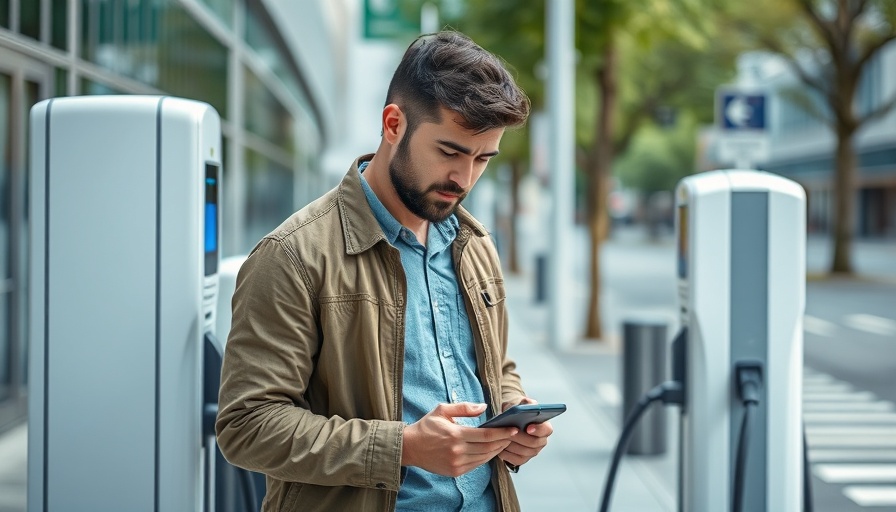
Man checking phone at EV charging station in urban setting.


5 Best Practices for Optimizing Your EV Charging Network

As electric vehicles (EVs) surge in popularity, the demand for efficient and accessible charging networks becomes paramount. Whether you're establishing a new EV charging business or optimizing an existing network, understanding the best practices can maximize performance and profitability. Here, we delve into five essential strategies to enhance your EV charging infrastructure.

Strategic Site Selection and Planning

The success of your EV charging network hinges on thoughtful site selection. Choosing high-traffic areas such as retail centers, workplace parking lots, and multi-unit dwellings is crucial. These locations not only attract EV drivers but also allow for extended dwell times, increasing the likelihood of frequent usage.

Visibility and accessibility are of utmost importance. Well-lit stations with clear signage can dramatically elevate driver satisfaction. Additionally, consider offering flexible certified hardware options. Leveraging pre-commissioned charging stations can simplify the commissioning process, saving time and resources.

Moreover, getting qualified for EV charging incentives and rebates helps offset initial deployment costs. Programs like the National Electric Vehicle Infrastructure Program (NEVI) and various state-level initiatives offer crucial financial support, which can be pivotal for your project's financial feasibility.

Don’t forget the importance of amenities. Proximity to restrooms and food options can significantly enhance the attractiveness of your charging locations, especially when drivers spend substantial time waiting for their vehicles to charge.

Implement Smart Charging Management Software

To further optimize your charging network, integrating advanced charging management software is imperative. This technology allows for comprehensive reporting capabilities and efficient network management.

A robust management console should provide data access and reporting features that simplify operations for network operators. It is crucial for facilitating access management, which can help control who uses the charging stations and for how long. Additionally, implementing station health analytics will contribute to equipment reliability and minimize downtime through predictive maintenance.

Adapt to Evolving User Needs

As the landscape of EV users changes, so do their expectations. Consumers today prefer seamless and user-friendly experiences. Offering conveniences, such as mobile app integration for locating and reserving charging stations, can set your network apart. Providing real-time availability updates can also boost user satisfaction and encourage repeat business.

Furthermore, consider adopting a dynamic pricing model that adjusts according to demand and time of day. This strategy not only enhances revenue potential but also encourages off-peak charging, balancing network loads and optimizing energy consumption.

Foster Community Engagement

An often-overlooked aspect of optimizing your EV charging network is community engagement. Building relationships with local stakeholders, including governments, businesses, and residents, can drive support for your network’s expansion. Hosting educational workshops about the benefits of EVs and charging infrastructure can enhance public awareness and acceptance.

Moreover, consider creating partnerships with local businesses to offer discounts or benefits to customers who charge their EVs on-site. This not only incentivizes usage but also strengthens your network’s community ties.

Track Performance Metrics for Continuous Improvement

Finally, consistently monitoring and analyzing performance metrics is vital for long-term success. Key performance indicators such as usage rates, charging time, and revenue generation will inform your future business decisions. This data-driven approach ensures that your EV charging network adapts and evolves with market demands and user preferences.

In conclusion, the optimization of EV charging networks is a continuous journey that blends technology with community engagement and robust planning. By implementing these best practices, you can build a more effective and user-friendly charging infrastructure, paving the way for a greener future.

Get Started with Your EV Charging Network Today!

Ready to take the next step in building or optimizing your EV charging network? Explore innovative strategies and gain insights by joining our on-demand webinar, "Charge Like a Pro: Unlocking the Secrets of Successful EV Networks." Whether you're new to the field or looking to enhance an existing setup, know that a successful EV charging network is crucial to promoting both sustainability and accessibility.
EVs & Transportation Trends
Related Posts All Posts
10.30.2025

French Social Leasing: Why 41,500 Electric Car Applications Matter

Update The Surge of French Social Leasing for Electric Vehicles The renewed French social leasing scheme for electric vehicles is capturing significant public interest, with over 41,500 applications submitted within just four weeks of its launch, closely mirroring the excitement generated during its previous rollout earlier this year. The initiative aims to lease up to 50,000 subsidized electric cars, ensuring affordable mobility options for lower-income households. Key Features and Eligibility Criteria Under this scheme, residents can lease battery electric vehicles (BEVs) at remarkably low monthly rates. Although the program aims to close at 50,000 applications, the government has established a waiting list for potential applicants in case any applications are withdrawn. The threshold is likely to be reached swiftly, as history indicates from the initial rollout that demand exceeded expectations. Eligible households must contain at least one working individual, report a taxable income of €16,300 or less per household member, and regularly commute more than 15 kilometers for work. This structure mainly targets part-time workers and single parents, bringing necessary vehicle access within their reach. A Broad Selection of Affordable Models The program offers a diverse range of approximately 30 electric vehicle models. Models such as the Citroën ë-C3, Fiat Panda, and Hyundai Inster can be leased for less than €100 per month, making electric mobility significantly more accessible. For those seeking more options, models from Volkswagen, including the ID.3 and ID.4, are also included, with leasing costs starting at €139 and €169 per month, respectively. Sustainable Mobility: A Social and Environmental Initiative This social leasing scheme represents a vital intersection of social equity and green policy, as it allows lower-income families to transition to cleaner transportation. With the French government covering about 27% of each car's total cost, and a maximum subsidy reaching €7,000, the benefits extend beyond recipients to positively impact public health and environmental outcomes. Broader Implications for Green Living and EV Adoption The successful uptake of the French social leasing program could serve as a blueprint for other countries looking to boost electric vehicle adoption, particularly among economically marginalized populations. By reducing the financial barrier, it addresses longstanding inequality in access to sustainable transport options, fostering a cultural shift towards greener living. Conclusion: The Future of Electric Mobility in France The French government's initiative is not just about providing transport; it's a progressive approach that redefines mobility while promoting sustainable energy practices. By investing in electric vehicle accessibility, France positions itself as a leader in the transition to a greener future. Homeowners and businesses interested in exploring solar and green energy can draw inspiration from this initiative as a model of aligning environmental objectives with economic opportunities. As these developments unfold, enthusiasts of sustainable energy technologies can stay informed and consider how similar programs might take root in their communities to advance a greener future. To keep updated on the electric vehicle trends and sustainable living practices, subscribe to our newsletter for more insights and recommendations.

10.29.2025

The EV Revolution: Key Insights on U.S. Charging Station Growth

Update The Rapid Expansion of U.S. EV Charging Networks The electric vehicle (EV) revolution is in full swing, as illustrated by the remarkable growth in charging infrastructure across the United States. As of October 2025, there are over 230,000 public charging ports nationally, representing a significant leap in accessibility for electric vehicle owners. This evolution is driven by a combination of federal initiatives, private investments, and local community efforts, culminating in an increasingly comprehensive EV charging network. Government Support and State Initiatives In August 2024, the Biden-Harris Administration announced a substantial investment of $521 million aimed at bolstering charging infrastructure across 29 states. This commitment showcases the federal government's dedication to creating an efficient ecosystem to facilitate EV adoption. California remains at the forefront with over 70,000 charging stations, reflecting the state's early embrace of both electric vehicles and environmental sustainability. Regional Disparities and Consumer Behavior While California leads the way, other states are making commendable strides in their charging networks. Washington, Florida, Texas, and Colorado have tailored their infrastructure to meet regional demands and demographic trends. For instance, Colorado now sees electric vehicles accounting for over 27% of new vehicle sales, illustrating how robust charging options can influence consumer choices. Each state's approach varies, highlighting that custom solutions are essential for effective infrastructure development. Understanding Charging Technologies The EV charging landscape can be divided into three main categories: Level 1, Level 2, and DC fast charging. Level 1 chargers utilize standard 120-volt outlets and provide minimal power, making them suitable for residential backup. In contrast, Level 2 chargers, which dominate public networks, offer quicker charging and are ideal for locations where vehicles are parked for extended periods. DC fast chargers represent the pinnacle of charging technology, capable of delivering hundreds of miles of range in just 30 minutes, thereby enhancing the feasibility of long-distance EV travel. The Infrastructure Challenges Ahead Building an extensive EV charging network presents unique challenges that extend beyond simply installing outlets. Grid operators face difficulties related to increased power demand, particularly due to DC fast chargers that can demand as much energy as several homes combined. To optimize this infrastructure, significant upgrades to local electrical systems must be made. Moreover, the presence of multiple charging standards—such as CCS, CHAdeMO, and NACS—adds complexity to the planning and adoption process. Fortunately, trends toward standardization are emerging, with many automakers indicating preferences for unified connector types. Future Market Trends in EV Charging Looking ahead, developments within the EV charging infrastructure market are expected to accelerate. According to industry reports, the U.S. market was valued at approximately $5.09 billion in 2024 and is projected to grow at a remarkable CAGR of 30.3% to exceed $24 billion by 2030. This growth is driven by both public and private investment aimed at expanding the network of charging stations, as well as the growing adoption of innovative charging technologies. Actionable Insights for Homeowners and Businesses As homeowners and businesses consider their own roles in this green energy future, exploring options for solar-powered charging stations becomes increasingly pertinent. Integrating solar energy can provide a sustainable source of power for charging EVs, offering substantial long-term savings and bolstering grid independence. This strategic approach not only supports the EV revolution but also aligns with broader goals of environmental sustainability and personal empowerment. By understanding these trends and technologies, stakeholders can make informed decisions and contribute to a more sustainable transportation future. As communities grow their charging networks, the collaboration between government, industry, and individuals will be crucial to ensuring a seamless transition to electric mobility.

10.29.2025

Iveco Bus Leads Italy's Initiative to Deliver Electric School Minibuses

Update Revamping School Transportation in Italy: A Major Step Towards Sustainability Iveco Bus is set to change the landscape of student transportation in the Campania region of Italy with the delivery of 87 fully electric eDaily school minibuses. This initiative, backed by the Campania Mobility Infrastructure and Networks Agency (Acamir), marks an important milestone in the realm of sustainable transport solutions aimed at enhancing the safety and environmental footprint of school commuting. Innovative Features for Modern Day Mobility Each eDaily minibus is designed to navigate both extra-urban and interurban routes, with a focus on providing accessibility in remote areas of Campania. These vehicles are equipped with USB charging ports, air conditioning, and dedicated accessibility features such as lift ramps. A key highlight is the incorporation of advanced driver assistance systems (ADAS) that enhance safety and driving efficiency—integrating video surveillance, GPS tracking, and emergency alert systems. Impact on Local Communities and Sustainability Goals This ambitious project aims to address pressing issues in rural mobility, particularly in smaller municipalities where public transport options may be limited. By introducing electric minibuses into the fleet, Campania aims not only to modernize school transport but also to significantly reduce the area's carbon emissions, contributing to broader sustainability goals across Italy. This aligns with the European Union's push for cleaner transport options, promoting zero-emission mobility solutions within urban and rural communities alike. Pioneering Electric School Transportation in Italy With these electric minibuses, Campania is set to become one of the first regions in Italy to implement a comprehensive electric school transport fleet. Giorgio Zino, Head of Iveco Bus Commercial Operations in Europe, remarked on the initiative's significance, stating that these vehicles are a modern solution designed and manufactured in Italy that combines safety, sustainability, and comfort for students—further illustrating the commitment to zero-emission mobility. The Broader Context of Electric Vehicles and Green Energy The rise of electric vehicles, particularly in public sectors like school transportation, is gaining momentum globally. The shift towards electric vehicles not only supports local economies by using domestically manufactured products, as Voith and other companies have also emphasized in their electric transport solutions, but it also fosters an environment-friendly culture among younger generations. By witnessing their schools adopt sustainable choices, students are more likely to value and advocate for green technologies in their own lives. Future Implications: A Model for Other Regions? As more regions look to electrify their public transport systems, Campania could serve as a template for similar initiatives in urban and rural settings worldwide. This could prompt other municipalities in Italy and beyond to examine their own transport strategies while focusing on sustainable solutions. The commitment to green energy not only resonates with climate goals but also represents a shift in how communities can operate and thrive in a more eco-conscious manner. This initiative signifies a leap forward not just for Italy but also for global educational transport strategies, setting the stage for future innovations in both technology and sustainability in transport. The rollout of these eDaily minibuses is an inspiring chapter in the story of green energy and innovation, vital for a future where all aspects of life harmoniously interact with the environment.

Terms of Service

Privacy Policy

Core Modal Title

Sorry, no results found

You Might Find These Articles Interesting

T
Please Check Your Email
We Will Be Following Up Shortly
*
*
*