Add Row
Add Element
UPDATE

Strengthening Appraisal Oversight: Effects on Homeowners and Solar Investments

Joyful family in front of solar-powered home, symbolizing appraisal fairness and renewable energy savings.


Understanding the Importance of Appraisal Oversight

The Appraisal Subcommittee (ASC) plays a critical role in maintaining the integrity of home appraisals. Accurate and impartial appraisals are essential for establishing fair property values, which in turn affects mortgage lending and financial transactions related to homes. A robust appraisal system ensures that both home buyers and sellers feel confident in the valuation process. This is especially relevant in today's housing market, where fluctuations can significantly impact personal investments and community stability.

How Recent Changes Impact Homeowners and Businesses

Recently, the ASC has implemented new oversight measures aiming to improve the appraisals and curb biases that have previously impacted minority communities disproportionately. Through public hearings, the ASC has gathered testimonies from individuals like Paul and Tenisha Tate-Austin who shared their harrowing experiences with biased appraisals. The ASC's actions not only seek to enhance accountability but also to create a more equitable marketplace for property transactions. For homeowners and businesses interested in solar and green energy investments, the credibility of appraisals is crucial in securing financing and maximizing savings on these eco-friendly upgrades.

The Role of Transparency in the Appraisal Process

Transparency is key to building trust in the appraisal process. The ASC has been proactive in holding public hearings and inviting stakeholders to discuss appraisal practices. By allowing diverse voices to contribute, the ASC is working towards a system where ethical standards govern appraisals. For homeowners looking to invest in solar energy, understanding the appraisal process and advocating for fair treatment can help ensure that their investments are accurately valued, leading to better financial outcomes.

Future Trends in Appraisal Oversight

As the ASC moves forward with its proposed rulemaking related to corrective actions, we can expect significant enhancements in how appraiser performance is monitored. The implementation of prompt corrective action policies aims to nip issues in the bud before they escalate, providing assurance to all parties involved in transactions. Homeowners and businesses aiming to upgrade to solar energy should remain informed about these changes, as they could impact the assessment of property values and subsequently, the financing options available to them.

How Appraisals Affect Solar Investments

Understanding the link between appraisals and solar investments is vital for homeowners. Positive changes in appraisal practices can lead to better recognition of solar technology in home valuations. As more green energy systems are integrated into properties, it’s crucial for appraisers to account for their value in energy savings and contributions to reducing carbon footprints. People considering solar installations should also consider how appraisals could influence their return on investment (ROI) when they look to sell their homes in the future.

Diverse Perspectives on Appraisal Changes

While many welcome the ASC's enhanced oversight measures, some stakeholders remain skeptical, arguing that systemic changes are required to challenge longstanding biases in the appraisal system. Open dialogue fostered by the ASC's hearings aims to bridge these gaps and invite diverse opinions on best practices for an equitable appraisal system. For homeowners and green energy advocates, advocating for transparency and fairness in appraisals can lead to more supportive policies and better financial outcomes.

What You Can Do to Influence Appraisal Practices

Homeowners and businesses concerned about fairness in the appraisal system can take action by becoming informed stakeholders in the process. Participating in public comment periods, like the one mentioned in the ASC's recent Notice of Proposed Rulemaking, allows individuals to voice their opinions on regulatory changes. By collectively advocating for transparency, individuals can help shape policies that reflect the interests of diverse communities.

In conclusion, the ASC's efforts to strengthen appraisal oversight represent a significant step towards ensuring fairness and accuracy in property evaluations. For homeowners and businesses eying solar technology investments, understanding these changes and advocating for fair treatment in appraisals can pave the way for a more sustainable financial future.

Call to Action: Stay engaged with the ASC's progress and participate in upcoming hearings to voice your views on appraisal practices. Your voice matters in shaping a fairer appraisal system!

Financial Planning
Related Posts All Posts
10.30.2025

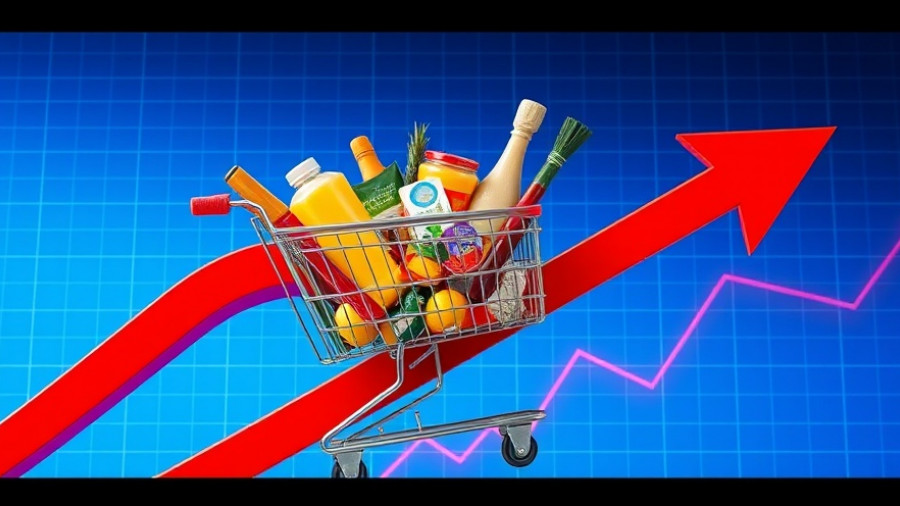
Grocery Prices May Never Fall: A Guide for Today's Savvy Shoppers

Update Rising Grocery Prices: A Reality Check for American Households Over the past five years, grocery prices have soared by over 25%, significantly outpacing average wage growth. For many families, the feeling of being squeezed at checkout is becoming a norm, and experts suggest we may need to brace ourselves for persistent high prices. With food-at-home inflation currently hovering around 2.7% annually, it seems that lower prices may never make a return, and the toll on American households could remain substantial. The Inflation Landscape: Will Prices Ever Fall? When it comes to the question swirling in the minds of many shoppers—will grocery prices ever drop? The consensus among economists is that individual item prices might bounce back but overall, grocery prices are unlikely to decrease in nominal terms. Professor Jean-Pierre Dubé from the University of Chicago Booth School of Business articulates this sentiment well, predicting that “prices will not come down, at least in nominal terms.” This echoes Phil Lempert, a food industry analyst, who bluntly states, “My answer is simple: never.” The Asymmetry of Grocery Pricing: Cost Increases vs. Decreases A troubling trend persists; cost increases for food items are quickly passed on to consumers, while reductions are handled cautiously, if at all. Dubé explains that this "asymmetry" makes it difficult for consumers to see tangible price drops when manufacturing costs decline. Instead, grocery stores are often more inclined to keep prices elevated, taking advantage of any justification gained through past pressures on supply chains. Understanding the Role of 'Profit Taking' In 2023, some brands were accused of “profit-taking,” seeking to capitalize on heightened awareness of supply chain issues to raise prices. This approach has economic implications, sparking consumer discontent over rising costs while exposing financial motives linked to grocery store strategies. As awareness of these practices increases among consumers, the action towards more ethical pricing may begin to influence shopping habits. Consumer Alternatives: How to Cope with Higher Prices As consumers confront this new normal, many are turning towards alternative purchasing strategies. A significant percentage of households, roughly 31%, are shifting to private-label goods as a cost-saving measure. These alternatives are becoming increasingly popular as they typically offer savings of around 13% compared to national brands. This trend reflects a broader shift in consumer mindset: value for money is now paramount. Promotions as a Lifeline: Shopping Smarter Additionally, shoppers are making conscious moves to take advantage of promotional sales. Reports indicate that promotional sales across grocery stores are outperforming their non-promoted counterparts, with a notable 6% growth versus a slight decline in standard sales. This insight encourages consumers to remain vigilant shoppers, looking for opportunities to reap savings amidst rising prices. The Future of Food Prices: What Lies Ahead? Looking ahead, potential changes in trade policies, especially tariff reductions, could offer relief for specific grocery items. For instance, coffee prices leading CPI categories have surged, and reversing previous tariffs might provide cost benefits to consumers. Yet, with lingering supply chain concerns and overall inflation pressures, the overarching outlook remains uncertain, leaving both economists and consumers cautious. Conclusion: Empowering Consumers in a Changing Economy Despite grim forecasts regarding the persistence of high grocery prices, there are strategies to mitigate the financial impact. From seeking private label products to taking advantage of promotions, enlightened consumer behavior can provide some buffer against the economic challenges ahead. By adapting our purchasing habits, we can navigate the complexities of rising food costs while continuously advocating for fair pricing from companies. For homeowners interested in further exploring ways to save on everyday expenses like energy through solar adoption, understanding financial options and available incentives can extend your budget and contribute positively to your household's bottom line.

10.28.2025

Investors Are Turning to ETFs: Discover Why They're So Popular

Update Why ETFs Are Gaining Popularity Among Investors After remarkable growth in 2024, the world of Exchange-Traded Funds (ETFs) continues to soar, with investors flocking to these financial instruments at unprecedented rates, marking a trend that’s hard to ignore. With over 4,300 ETFs now available in the U.S., they surpass public stocks in number, affording investors a spectrum of choices ranging from gold ETFs to those tailored for age-specific investments. The Allure of Affordable Investing The popularity of ETFs can largely be attributed to their low-cost structure and ability to offer diversified exposure to various asset classes. As noted by Callie Cox, chief market strategist at Ritholtz Wealth Management, ETFs are particularly appealing due to their median expense ratio of approximately 0.9%. Comparatively, popular options like the Vanguard S&P 500 ETF charge as low as 0.03%. With rising consumer awareness, more investors recognize that these financial products provide ample opportunities for growth at reduced costs. Shifting Mindsets: From Individual Stocks to ETFs Indeed, the trend toward ETFs suggests a broader shift in investing strategies. Many retail investors, realizing the inherent risks of attempting to outperform the market through individual stocks, are now leaning towards ETFs for “stable, consistent returns.” The growing acceptance of ETFs may signal the fading era of stock-picking as the primary method of investing. As Cox highlights, “the average American investor just wants to build a nice nest egg or save enough for retirement.” This sentiment reflects a collective desire for more sustainable investment approaches. Active vs. Passive Management: The Divergence of Strategies The rise of actively managed ETFs is also notable. Recent data indicates that active ETFs have seen organic growth rates of over 55% in 2024, showcasing a significant shift in investor preferences towards adaptive strategies that cater to real-time market dynamics. This trend contrasts sharply with passive management, a domain that historically dominated the ETF landscape. Challenges and Risks in ETF Investment While the benefits of ETFs are compelling, investors must remain vigilant about potential risks. The landscape is rapidly evolving, with new, complex products entering the market that may not deliver the expected cost-effectiveness or tax efficiency. For instance, certain leveraged ETFs might present attractive opportunities but also entail heightened volatility and risk. The Future of ETFs: What Lies Ahead As we look toward 2025, the ETF industry is poised for even more growth. Innovative financial products such as single-stock ETFs, Bitcoin and cryptocurrency-focused ETFs are set to redefine investment strategies. Moreover, anticipated conversions of mutual funds into ETF formats could further bolster the appeal of this investment vehicle, catering to modern investor preferences. Conclusion: Time to Consider ETFs? In conclusion, the sustained growth of ETFs underscores a transformative period in investment behavior. As you consider your investment strategy, assessing the advantages and potential risks associated with ETFs is essential. Whether for retirement savings or portfolio diversification, embracing ETFs may offer the stability and growth potential many investors seek. Don’t hesitate to explore options that align with your financial goals and lifestyle—ETFs might just be the key to unlocking your investment potential.

10.25.2025

Unlock Savings: The Power to Switch Electric Companies You Didn't Know You Had

Update Understanding Your Power to Choose When it comes to managing energy costs, many homeowners may feel locked into their current electric companies. However, the ability to switch providers is not just a consumer dream—it's very much a reality. Understanding your options can substantially reduce your monthly utility bills and empower you to make informed decisions about energy consumption.In 'The power to switch electric companies you didn’t know you had | Plugged In Shorts', the discussion dives into consumer choices in the energy sector, exploring insights that sparked deeper analysis on our end. Why Switching Electric Companies Matters Switching electric companies isn't merely a matter of preference; it can lead to significant financial savings. In many regions, competition among electricity providers creates more favorable rates and incentives for consumers. This competitive landscape can lead to lower prices, better service, and even greener energy options. How to Evaluate Your Options Before making the leap, homeowners should consider several critical factors. First, research the available companies in your area. Most residents only think about major providers, but there may be smaller companies with competitive rates and green energy options. Second, take the time to read reviews or talk to neighbors. Customer satisfaction can significantly impact your experience, and understanding the pros and cons of different companies can help you make the best choice for your household. Incentives and Savings You Can Leverage Many new electric companies offer incentives such as one-time bonuses for switching or reduced rates for signing up. For instance, some companies might provide a lower rate for the first six months or offer cash back after your first bill. These incentives can be an excellent way to ease into a new provider, especially if you are wary of switching. Moreover, many companies are moving toward renewable energy solutions. Providers that offer solar energy, wind power, and other sustainable options can offer not just environmental benefits but potential savings as well, especially if combined with solar installations on your roof. A Simple Process to Make the Switch Making the switch is generally straightforward. Once you've chosen a new electricity provider, the services can be transitioned without impacting your electric service or requiring complicated installations. Often, the new provider will handle most of the logistics for you. When you decide to make the switch, ensure you are aware of any fees compared to savings. Look at your past utility bills to gauge your usage and determine which plan is best suited to your needs. Your Call to Action If you haven't reviewed your electricity provider in a while, now is the perfect time to do so. The financial incentives available may surprise you and could lead to monthly savings that significantly impact your budget. Remember, being informed is your power! Take charge of your energy costs by researching your options today and discover what savings await you.

Terms of Service

Privacy Policy

Core Modal Title

Sorry, no results found

You Might Find These Articles Interesting

T
Please Check Your Email
We Will Be Following Up Shortly
*
*
*