Add Row
Add Element
UPDATE
March 13.2025
3 Minutes Read

Mercedes CLA: The One-Litre Car Enters the Electric Age

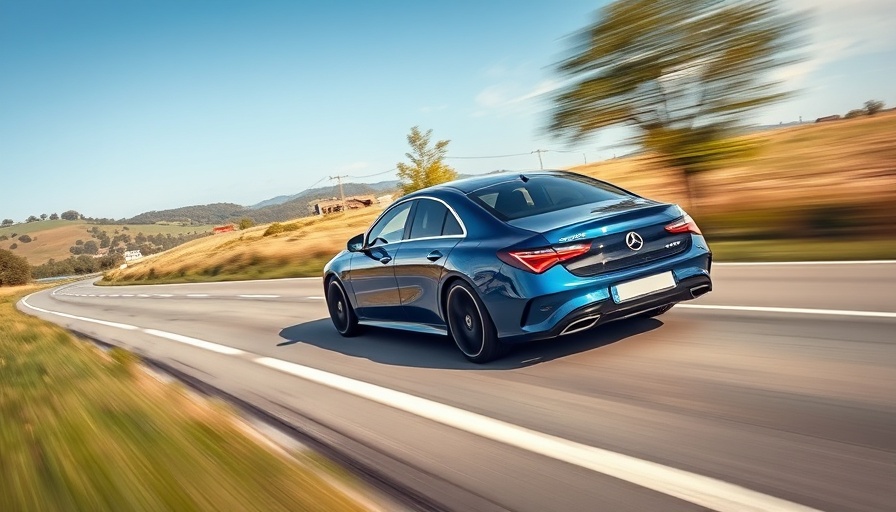
Mercedes CLA Electric Vehicle speeding on a scenic road.

The Future of Electric Vehicles: Mercedes CLA Redefined

The automotive industry is witnessing a pivotal moment with the arrival of the all-new Mercedes CLA, a vehicle designed to elevate and define the electric experience. As part of Mercedes-Benz's ambitious ambitions for sustainability, this new generation is clearly positioned as a response to evolving demands for greener technology within a competitive market.

Understanding the Shift: From Traditional to Electric

Traditionally, the Mercedes-Benz brand has been associated with luxury gasoline vehicles known for their performance and design. However, the company has refocused its strategy to adapt to a global shift towards electric mobility, marked by the full unveiling of the CLA. This vehicle is being touted as a 'one-litre car’ for the electric age, highlighting its high efficiency and sustainable operation.

The new CLA is built on the innovative Mercedes Modular Architecture (MMA), featuring cutting-edge technology that optimizes efficiency while maintaining the performance Mercedes is known for. With battery options of 58 kWh and 85 kWh, the CLA aims to set benchmarks not just in range and energy consumption, but also in customer experience.

Leveraging Advanced Technology for Enhanced Efficiency

The introduction of an 800V architecture is a significant leap forward, allowing for faster charging times and better energy management. The CLA promises to charge up to 400 kilometers in just 15 minutes, a critical improvement for electric vehicle adoption.

Moreover, the new powertrain is engineered to achieve a staggering energy consumption of around 12 kWh per 100 kilometers. This outstanding energy efficiency — almost equivalent to achieving a consumption of just 1 litre of fuel per 100 kilometers in traditional vehicles — is why Mercedes labels it the one-litre car for the electric age.

The Role of Bidirectional Power and Solar Integration

Further advancing modern consumer needs, Mercedes has introduced bidirectional charging capability, allowing the new CLA to function not only as a vehicle but also as a mobile energy storage unit. This means that homeowners with solar charging systems can store energy from the car to power their homes, promoting greater energy independence and sustainability. This feature resonates with our growing focus on integrated solar and green energy solutions for both individuals and businesses.

Sustainable Materials and Circular Economy Initiatives

Mercedes has also committed to its "Ambition 2039", a strategy aimed at achieving net carbon neutrality along its entire fleet by 2039. This ambition is reflected in the use of sustainable materials throughout the vehicle, emphasizing the brand's commitment to environmental responsibility.

The introduction of an innovative paper trim material made from recycled cellulose and sustainably sourced leather are prime examples of this focus. Coupled with their efforts to transition towards nearly CO2-free steel and aluminum, the CLA exemplifies a new era of responsible manufacturing practices.

Visual Appeal Meeting Functional Excellence

The sleek and contemporary design of the CLA is both an artistic endeavor and a practical one, incorporating aerodynamic enhancements for better performance while providing a distinct aesthetic appeal. The unmistakable Mercedes aesthetic remains, now infused with modern technology and sustainability at every turn.

From its appealing shark-nose silhouette to the expansive use of low-energy LED lights, every design element reflects the duality of luxury and eco-awareness. This unique aesthetic is sure to attract buyers looking not only for performance but also a commitment to sustainability.

Conclusion: A Gateway into the Future of Mobility

The unveiling of the new Mercedes CLA marks an exciting transition in the automotive landscape, combining luxury, performance, and sustainability into a unique package. As the industry pivots towards electric mobility, vehicles like the CLA represent the strides being made towards a greener future. For homeowners and businesses exploring solar and green energy solutions, the potential integration of electric vehicles like the CLA into a renewable energy strategy could pave the way for a sustainable lifestyle.

As we continue to navigate this rapidly changing technological landscape, the value of coupling electric vehicles with sustainable energy solutions will only grow, making the future of transportation an exciting frontier.

EVs & Transportation Trends

Write A Comment

*
*
Related Posts All Posts
02.20.2026

Tesla Cuts Cybertruck Price to $59,990: A Game Changer for EV Buyers

Update Tesla's Price Reduction: A Strategic Move to Boost Cybertruck Sales As of February 2026, Tesla has officially marked a significant shift in its vehicle pricing strategy by lowering the entry price of the Cybertruck by $20,000. The new starting price for the all-wheel-drive base version of this vehicle is $59,990, a substantial reduction from its previous entry point of $79,990. This decision is a critical attempt by Tesla to enhance sales performance amid disappointing market responses and high inventory levels of the controversial truck. Why the Cybertruck Is Critical for Tesla The Cybertruck, since its unveiling, has been touted as a revolutionary vehicle, aiming to compete with industry favorites like the Ford F-150. However, it fell woefully short of Tesla’s projection of 250,000 units sold annually, reaching only around 5,000 units per quarter. Such figures indicate that the hype surrounding the vehicle did not translate to expected sales, necessitating price adjustments to attract a broader customer base, particularly the working-class demographic. Analyzing the Features of the New Affordable Cybertruck Despite the lower price tag, Tesla's new entry-level Cybertruck retains significant features absent in its discontinued rear-wheel-drive variant. It includes dual-motor all-wheel drive, up to 325 miles of range, and practical capacitive features like powered tonneau covers and bed outlets. However, there are compromises; the towing capacity decreases from 11,000 to 7,500 pounds, signaling a pivot toward functionality over brute strength. For potential buyers considering solar energy solutions, this vehicle’s efficient integration into a sustainable lifestyle makes it an enticing option. The Market Impact of Price Adjustments This price reduction could potentially enhance Tesla's market share in electric vehicle sales, especially for eco-conscious homeowners and businesses looking to incorporate sustainable practices. Buyers are increasingly drawn to vehicles that offer both functional advantages and align with their green energy aspirations. As such, the Cybertruck's rebranding as a more affordable option could provide an entry point for these prospective buyers. Challenges Beyond Pricing However, improving market performance will require more than price adjustments. Tesla has faced considerable reputational challenges, largely stemming from CEO Elon Musk's controversial public statements and actions, which may influence consumer perception. The Cybertruck, being a statement vehicle, conveys more than functionality; it's a representation of its owner's values, a factor that could deter buyers who are skeptical of Tesla’s leadership. Conclusion: A Call to Embrace Sustainable Innovations The challenge ahead for Tesla involves not only pushing sales of the Cybertruck but also rebuilding its brand reputation. Affordable electric vehicles like this cheaper version of the Cybertruck can significantly contribute to a green energy future, especially when powered through renewable sources like solar energy. If you’re part of the movement towards sustainable living and green technology, consider how the new Cybertruck could fit into this ethos.

02.16.2026

Microlino Microcar Launches in Norway: A Sustainable Urban Mobility Solution

Update Microlino Launches Electric Microcar in Norway: A New Era of Urban Mobility The Microlino, an electric microcar developed in Switzerland and manufactured in Turin, is officially making its debut in Norway, a region known for its progressive stance on sustainable transportation. With the establishment of Microlino Norge AS, the company aims to cater specifically to the Norwegian market, looking to establish long-term support for its products and engage with local consumers. Why Norway Matters in Electric Mobility Norway is not just another market; it is a global leader in electric mobility, boasting the highest per capita rate of plug-in electric vehicles (EVs) in the world. According to recent statistics, electric vehicles made up over 54% of all new car sales in 2021, a trend driven by government incentives, investments in green technology, and a societal push toward sustainability. “Norway has long been a pioneer in electrification due to its innovative urban design and supportive driving culture,” stated Merlin Ouboter, Co-Founder of Microlino. The Microlino's Unique Selling Propositions Designed for urban environments, the Microlino presents several advantages over traditional vehicles. The microcar is characterized by its compact dimensions—just 2.5 meters in length—allowing for easier parking and maneuverability in crowded urban areas. Furthermore, it offers two versions for varying consumer needs: the Microlino Lite, limited to 45 km/h, and the standard model, which can reach speeds of up to 90 km/h. With a range of up to 228 kilometers depending on battery choice, it competes favorably with conventional vehicles while supporting greener urban transport. The Logistics of Launching in Norway Microlino’s operational hub lies in Stavanger, which will serve as the focal point for customer advisory services, maintenance, and after-sales support. Partnering with Egeland Auto, a local dealership that will also feature Microlino vehicles in their inventory, emphasizes the company's commitment to integrating with local businesses and providing reliable service tailored for Norwegian customers. Beyond Sales: Building a Community for Microlino Owners Microlino Norge AS is not just concerned with selling cars; it's focused on creating a community around the Microlino brand. This initiative aims to foster long-term relationships with customers through exceptional service and support. Additionally, Microlino plans to address climate change concerns by offering a stylish, compact, and sustainable urban mobility solution that fits seamlessly into Norway's landscape. The Future of Microlino in Norway and Beyond This launch may be just the beginning for Microlino as it seeks to expand its influence in other markets. Discussions are underway to broaden their dealer network across Norway and potentially add more vehicles catering to urban mobility needs, such as electric scooters or bicycles, reinforcing their commitment to reducing urban congestion and pollution. Concluding Thoughts: A Shift Toward Sustainable Transportation The introduction of Microlino in Norway epitomizes a significant shift toward sustainable transportation solutions. As homeowners and businesses seek to adopt greener practices, integrating electric microcars into the commuting landscape offers a vibrant alternative to traditional vehicles. Microlino, through its stylish design and community-centric framework, is poised to change perceptions about urban mobility in Norway and beyond. For those considering a transition to electric vehicles as part of a sustainable lifestyle, exploring options like the Microlino could be a practical step toward enhancing energy efficiency and reducing carbon footprints in urban spaces. The path toward greener living is becoming increasingly accessible, inviting innovations that align with modern environmental values.

02.14.2026

Mercedes-Benz eActros 600 Arrives in Chile: Transforming Green Logistics

Update The Arrival of the eActros 600 in Chile: A Sustainable Shift Mercedes-Benz has made headlines with its delivery of the first eActros 600 in Chile, marking a significant milestone in the evolution of electric transportation in South America. This revolutionary truck, acquired by Empresas Cavalieri, will facilitate efficient beverage transportation between Santiago and Viña del Mar, eliminating the need for charging during operational hours with its impressive 500-kilometer range. Chile’s Ambitious Climate Goals Fuel Electric Vehicle Integration Chile is not just another market for Mercedes-Benz; it’s a prime candidate for electric vehicle (EV) adoption. Facing significant challenges from climate change, the country has set a bold target of achieving carbon neutrality by 2050. The local government and corporate initiatives like those of Empresas Cavalieri and its client, Compañía de Cervecerías Unidas (CCU), reflect a shared commitment to eco-friendly logistics. Understanding the Capabilities of the eActros 600 The eActros 600, awarded Sustainable Truck of the Year in the E-Truck category, boasts advanced technology with three lithium iron phosphate battery packs, enabling it to deliver strong performance and reliability. Its architecture supports Mercedes' broader vision for sustainable transportation solutions, aligning with the global move towards greener logistics. The Role of Renewable Energy in Chile’s Future With solar and wind energy constituting a significant portion of Chile’s energy supply, the introduction of electric vehicles like the eActros 600 fits seamlessly into the country’s renewable energy landscape. This synergy will not only reduce carbon footprints but also open new avenues for businesses aiming to enhance their sustainability strategies. Wider Implications for EV Adoption in South America The arrival of electric trucks in Chile could set a precedent for broader adoption across South America. As other countries in the region observe the operational successes of the eActros 600, it may prompt a shift in logistics strategies, underscoring the potential for significant change in transportation systems. Industries ranging from retail to manufacturing may follow suit, enhancing their fleets with electric options. Equipping Companies for the Future As electric vehicles become more prevalent, it is essential for businesses to invest in training and infrastructure to support this transition. Kaufmann S.A., Mercedes-Benz’s local distribution partner, emphasizes the importance of providing comprehensive e-mobility ecosystems, including mobility guarantees, technical assistance, and driver training. These resources will be invaluable as the market matures and the demand for electric solutions increases. Concluding Thoughts: The Path Forward As the first eActros 600 takes to the roads of Chile, it symbolizes more than a commercial transaction; it embodies a strategic step towards greener transportation. By investing in electric solutions now, companies not only adhere to emerging regulations but also position themselves as leaders in sustainability. This forward-thinking approach is essential as we navigate the climate challenges of the future. The blend of cutting-edge technology and commitment to renewable energy provides a blueprint for what transportation can and should become. For businesses and homeowners interested in integrating solar energy and electric transport solutions into their operations, understanding the implications of this delivery and the capabilities of electric vehicles like the eActros 600 is critical as we move towards a sustainable future.

Terms of Service

Privacy Policy

Core Modal Title

Sorry, no results found

You Might Find These Articles Interesting

T
Please Check Your Email
We Will Be Following Up Shortly
*
*
*