
Hook: In 2024, more Illinois homeowners signed solar power purchase agreements (PPAs) than ever before, spurred by relentless utility rate hikes and enticing zero-down solar options. What’s behind this surge—and what should you really know before signing?
Why Illinois Solar Power Purchase Agreements Are Surging in 2025
"More Illinois homeowners signed solar power purchase agreements in 2024 than any previous year—driven by utility rate hikes and zero-down offers."
- Sharp utility rate increases are making traditional electricity increasingly expensive for families across the state.
- New incentives are bolstering renewable energy adoption, offering strong support for solar customers and developers alike.
- Zero-upfront cost plans are lowering the barrier for entry, allowing more Illinois homeowners to access solar power without a heavy initial investment.
Illinois is in the midst of an energy transformation. Residents are scrambling to take control of their electricity bills, and power purchase agreements are emerging as a practical solution. Across neighborhoods, cost-saving solar projects are popping up, with providers offering straightforward contracts—often with little or no money down. It’s a dynamic shift: by locking in predictable rates for clean energy, homeowners are buffering themselves against unpredictable retail electric prices, making Illinois a national leader in solar adoption through PPAs in 2025.

What You’ll Learn About Illinois Solar Power Purchase Agreements
- The core components of a solar power purchase agreement
- Real cost-savings potential in Illinois
- Key contractual terms every homeowner should scrutinize
- Risks and rewards: Consumer protection tips
What Is an Illinois Solar Power Purchase Agreement?
Defining the Solar Power Purchase Agreement (PPA)
- How a power purchase agreement works
- Illinois solar PPA structure basics
- Solar panels, host customer roles, and provider responsibilities
In simple terms, a solar power purchase agreement (PPA) is a contract where a solar provider installs a photovoltaic system (PV system) on your rooftop with little or no upfront cost. As the host customer, you pay for the electricity generated—not the equipment—at a set rate, usually lower than your local utility rate. The provider owns and maintains the solar panels, ensuring hassle-free energy production, while you enjoy lower, predicable energy costs. In Illinois, these contracts are carefully structured to align with current net metering, renewable energy incentives, and shifting retail electric rates, maximizing the financial benefits of solar for everyday families.

How Solar Power Purchase Agreements Differ from Leases and Loans
- Ownership vs. purchase agreements
- Impact on tax credits, renewable energy incentives, and net metering eligibility
Unlike a solar lease or a loan, a power purchase agreement does not transfer ownership of the solar system to you. Instead, the provider covers installation and maintenance, and you purchase only the solar energy produced, usually at a fixed per-kWh price. While you may not directly claim federal or state tax credits (the provider often does), you can still benefit from lower energy costs and net metering credits. PPAs make solar panels accessible for homeowners who want to avoid upfront costs or ongoing equipment responsibility, and the agreements are designed to let you focus on savings, not maintenance.
"Illinois PPAs let homeowners access solar power without owning panels—delivering energy savings, not hardware." – Local Solar Expert
How Power Purchase Agreements Work: The Homeowner’s Perspective
Zero-Down Solar and the Typical PPA Process
- From site assessment to system installation
- Agreement terms: energy rates, escalation clauses, contract length
The journey starts with a site assessment: a provider reviews your home’s sun exposure, roof condition, and electricity usage to design your ideal solar project. Once approved, they handle the solar installation and system activation. The PPA contract will define your per-kWh rate, how much those rates might increase (escalation clauses), and the length of your commitment (often 15–25 years). Zero-down offers remove upfront hurdles, making it easier for Illinois families to step into solar and benefit from predictable, long-term savings while the provider remains responsible for system maintenance and performance.
Electric Bill Savings: How the Numbers Break Down
PPAs are designed to deliver energy at rates lower than the retail rate charged by local utilities. For many Illinois solar customers, these agreements transform their electricity bill from a source of stress into a predictable monthly expense. Let’s look at how typical numbers stack up—side by side.
| Scenario | Traditional Utility | Solar PPA |
|---|---|---|
| Monthly Cost (Year 1) | $140 | $110 |
| Expected Rate Increase (per year) | 5% (utility average) | 2.5% (typical PPA cap) |
Over 20 years, the potential for significant savings grows—especially as utility rates continue to climb. These differences, multiplied over time and square footage, illustrate why so many Illinois families are choosing the stability and savings power purchase agreements deliver.

Net Metering and Your PPA—How Bill Credits Work
- Illinois net metering policies for solar panels under purchase agreements
- Host customer experience: How excess energy credits reduce costs
Thanks to net metering in Illinois, excess electricity generated by your solar panels flows back to the grid, earning you valuable bill credits. As a host customer with a PPA, you typically still enjoy these benefits (though check your agreement for exact terms); credits help cover periods when your household uses more electricity from the grid than your system supplies. Understanding how these credits are applied—and ensuring your provider passes the value on to you—is essential for maximizing your overall savings from a solar power purchase agreement.
Illinois Solar Power Purchase Agreement Terms and What to Watch For
- Key elements: Energy price per kilowatt hour, escalation rates, maintenance obligations, end-of-term options, host customer obligations
The fine print in a power purchase agreement can make or break your solar experience. Pay special attention to the details: How much will you pay per kilowatt hour? How often can that rate increase—and by how much? Are maintenance and repairs handled by the provider for the full contract length? What happens if you move or want to buy out the contract early? End-of-term provisions and your responsibilities as the host customer should also be crystal clear before you sign.
Consumer Red Flags in Solar Power Purchase Agreements
- Transfer and buyout clauses
- Early termination penalties
- Maintenance and monitoring responsibilities
Red flags include early exit penalties, high escalation rates, ambiguous transfer or assignment clauses, and unclear language regarding maintenance or system monitoring. Some PPAs may impose heavy costs if you sell your home or want to terminate the agreement early. Always ask: Who is responsible if the system needs repair? What are your options if you want to purchase the solar panels outright in the future? These critical questions can prevent frustration—and protect your long-term savings.
"Always read the fine print. Many homeowners overlook fees that erode long-term savings under power purchase agreements." – Illinois Consumer Advocate

Tax Credits, Incentives, and Policy Changes Affecting Illinois Power Purchase Agreements in 2025
Federal and State Solar Tax Credits for PPAs
- Who receives the tax credit in a purchase agreement?
- How renewable energy credits and SRECs impact savings
Under current rules, the tax credits for solar installations—such as the 30% federal solar investment tax credit (ITC)—typically go to the PPA provider, not the host customer. However, homeowners benefit indirectly, as these savings help providers offer lower per-kWh rates and reduce your long-term costs. Many Illinois PPAs are also configured to monetize renewable energy credits (RECs or SRECs), further offsetting costs. If maximizing tax credits is your goal, consider comparing ownership models as well.

How Policy Shifts and Utility Rates Drive Solar Power Purchase Decisions
- Illinois’ evolving energy policies and their impact on power purchase agreements
- Future-proofing your household energy costs
Changes in state and federal energy policy—especially those affecting net metering, renewable energy incentives, and utility rates—have a direct impact on solar PPAs in Illinois. As retail rates climb and incentive programs adapt, PPAs offer a hedge against unpredictable price surges. Homeowners considering power purchase agreements in 2025 should closely monitor potential changes to net metering or tax credit eligibility, reviewing how these developments could influence the terms, value, and long-term savings of their contract.
Who Is a Good Fit for an Illinois Solar Power Purchase Agreement?
- Homeowners with high utility rates
- Households unable or unwilling to invest upfront in solar panels
- Long-term residents vs. those likely to move
The ideal candidate for a solar power purchase agreement in Illinois is someone who wants the financial benefits of solar power without the burden of ownership. If you have rising electricity bills, lack the funds for a major solar installation upfront, or plan to stay in your home for at least 10 years, a PPA may be a strong fit. On the other hand, if you expect to move soon or want to maximize federal and state tax benefits, a different solar model—like direct purchase or a loan—may be worth exploring.
Illinois Solar Power Purchase Agreements: Key Risks and Rewards
- Predictable costs vs. rising energy prices
- Savings potential with net metering and renewable energy credits
- Pitfalls: potential extra costs, misaligned contract terms
For most Illinois households, the biggest draw of a solar power purchase agreement is predictability—they allow you to lock in a lower, stable rate for solar energy, buffering you from utility volatility. With ongoing policy support for renewable energy, net metering, and SREC opportunities, the savings potential remains high. However, risks include escalator clauses that can raise rates faster than expected, hidden maintenance costs, and contract terms that don’t align with your long-term plans. Always compare multiple providers and understand exactly what’s included before you sign.
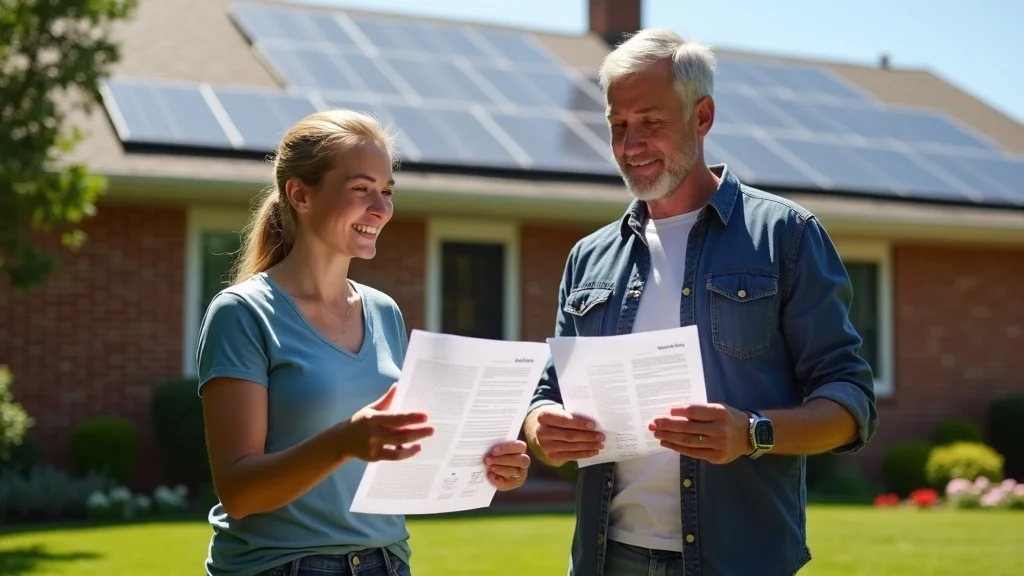
Checklist: What to Review Before Signing a Solar Power Purchase Agreement in Illinois
- Compare provider offers and escalation rates
- Scrutinize contract length and exit provisions
- Assess service guarantees and maintenance clauses
Don’t rush this decision—evaluate every offer, read the contract line by line, and confirm what happens if your circumstances change. Ask specifically about service response times, warranty details, and what support you’ll receive if your home or utility rate situation shifts. The best power purchase agreement is one that protects your interests and delivers dependable savings year after year.
| Provider | Rate/kWh (Year 1) | Escalation Rate | Contract Length | Maintenance Included? | End-of-Term Options |
|---|---|---|---|---|---|
| Provider A | $0.115 | 2.5%/year | 20 years | Yes | Buyout/Remove |
| Provider B | $0.120 | 2%/year | 25 years | Yes | Renew/Remove |
| Provider C | $0.110 | 3.0%/year | 15 years | No | Buyout |
People Also Ask: Illinois Solar Power Purchase Agreements
What is a power purchase agreement for solar in Illinois?
"A solar power purchase agreement lets you host a solar panel system on your property and buy the electricity at a fixed or variable rate, typically below utility pricing."
In Illinois, a power purchase agreement is a contract where a provider installs solar panels on your roof at no upfront cost, then sells you the solar power generated at a price below your regular electric bill. It allows homeowners to benefit from renewable energy without buying or directly owning the equipment.
Do solar power purchase agreements really save money in Illinois?
- Most homeowners see savings if utility rates are high and escalation caps are low.
- Terms and your energy usage profile matter greatly.
In most cases, yes—especially with Illinois’ high utility rates and generous net metering. Your actual savings will depend on your contract’s escalation rate (how much your rate increases yearly) and how much of your home’s energy comes from solar each month. Review projected savings with your provider before signing.
Are there risks with zero-down Illinois solar PPAs?
- Early exit penalties, escalating rates, moving before contract expires, and outdated maintenance coverage.
While zero-down PPAs make solar accessible, contract terms can introduce risks. Watch out for early termination fees, automatic escalators, and gaps in maintenance warranty. Always have a clear plan if you may sell your home or want to exit the agreement early.
How does net metering apply to solar PPAs in Illinois?
- You’ll typically benefit from net metering, but check how credits are applied to your power purchase agreement.
Net metering allows you to earn credits for the excess electricity your solar panels supply to the grid. With a PPA, those credits can lower your bill, but the exact arrangement depends on your contract. Always clarify with your provider how net metering credits are accounted for in your agreement.
Frequently Asked Questions—Illinois Solar Power Purchase Agreement Explained
- Can I sell my home if I have a solar PPA?
- Who is responsible for system maintenance under a purchase agreement?
- Do Illinois PPAs include battery storage options?
- How do Illinois solar power purchase agreements compare to buying panels outright in terms of value?
- Can I sell my home if I have a solar PPA? Usually yes, but the new buyer must assume the PPA or you may need to pay a buyout/transfer fee. - Who is responsible for maintenance? In most cases, the provider handles monitoring, maintenance, and repairs throughout the contract term. - Do PPAs include storage? Some providers now offer battery options, but not all—ask before signing. - Buying vs. PPA: Direct ownership maximizes tax credits and lifetime value, but PPAs offer zero upfront cost and no equipment worries.
Key Takeaways: Illinois Solar Power Purchase Agreement Explained
- Illinois power purchase agreements can lock in energy savings but require careful contract review
- Zero-down offers are popular as utility rates climb
- Consumer vigilance is critical for lasting benefit
Ready to Compare Illinois Solar Power Purchase Agreement Savings?
Illinois homeowners can see real PPA savings only after reviewing system design, electric usage, and local utility rates. Get a no-obligation assessment to understand how a PPA may impact your household budget.
Conclusion: Illinois solar power purchase agreements can lock in long-term savings and make renewable energy possible for more households—just be sure to read every clause before you sign.
Sources
- https://www.illinoissolar.org – Illinois Solar Energy Association
- https://www.energy.gov/eere/solar/homeowner-s-guide-solar-leases-ppas – U.S. Department of Energy: Homeowner’s Guide to Solar Leases & PPAs
- https://www2.illinois.gov/sites/ipa/Pages/PowerAgency.aspx – Illinois Power Agency
- https://www.dsireusa.org – Database of State Incentives for Renewables & Efficiency (DSIRE)
- https://www.seia.org/initiatives/power-purchase-agreements-ppa – SEIA: Power Purchase Agreements
To deepen your understanding of solar power purchase agreements (PPAs) in Illinois, consider exploring the following resources:
-
The Illinois Solar Energy Association provides detailed information on the state’s Renewable Energy Credit (REC) procurements, explaining how RECs function and their role in solar energy agreements. (illinoissolar.org)
-
The Illinois Solar for All program offers comprehensive consumer protection guidelines for participants, ensuring transparency and fairness in solar agreements. (illinoissfa.com)
These resources offer valuable insights into the financial and regulatory aspects of solar PPAs in Illinois, helping you make informed decisions about adopting solar energy.


Write A Comment