Add Row
Add Element
UPDATE
April 16.2025
4 Minutes Read

How Smart Thermostats Become the Champion of Energy Efficiency

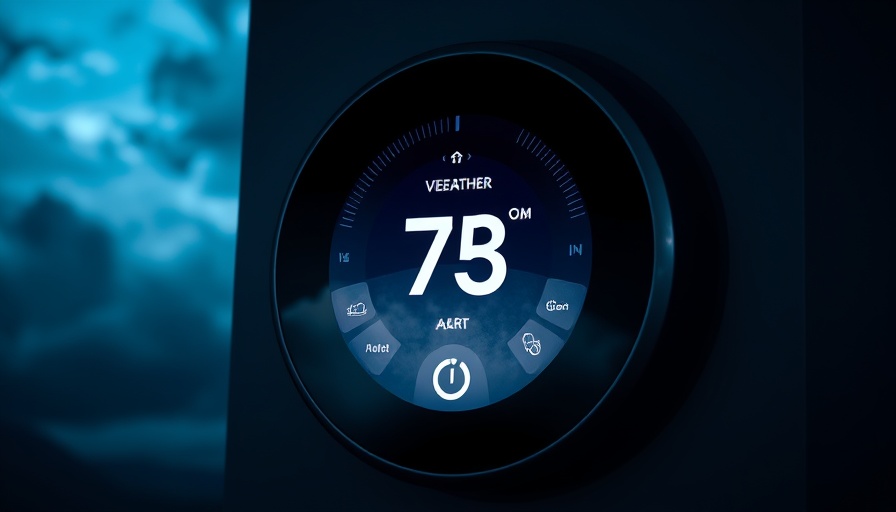
Futuristic smart thermostat interface for energy efficiency amid stormy sky.

Revolutionizing Home Energy Efficiency: The Smart Thermostat

In an era characterized by escalating energy costs and a growing awareness of environmental responsibility, one remarkable device is stepping into the spotlight: the smart learning thermostat. This modest gadget emerges as the unassuming superhero for energy-efficient homes, promising significant savings and practical functionality. In this article, we will delve into the multifaceted advantages of adopting smart thermostat technology and explore how homeowners and businesses can harness its potential to optimize energy consumption.

Unpacking the Features: Why Smart Thermostats Are Essential

Smart thermostats, such as the Nest Learning Thermostat, integrate advanced technology that enables homeowners to effortlessly manage their heating and cooling systems. With voice control and wireless sensors that adapt to real-time environmental data, these devices do more than manage temperature; they optimize energy use. Notably, an impressive 78% of U.S. adults express concern over soaring home energy expenses. With the recent drastic fluctuations in heating prices—some regions experiencing double-digit increases—an innovative thermostat offers an appealing solution.

Cost-Effectiveness: How Smart Thermostats Save You Money

Consider the simple act of adjusting your home temperature. Traditional methods often lead to energy waste, as forgetting to dial back the heater results in inflated bills. A smart thermostat continuously learns your preferences and habits, automatically adjusting to ensure energy is used efficiently—ultimately saving you money. Users report reductions in heating costs of $20 or more per month, making the initial investment worth every penny. As the technology becomes increasingly accessible, many homeowners find that the thermostat pays for itself in a matter of months.

Installation Made Easy: Bringing Innovation to Your Home

Worried about installation? The advancement in smart thermostats has streamlined this process remarkably. Compared to traditional thermostats, installation is user-friendly, requiring less expertise. With resources like quick wiring guides accessible via smartphone, many homeowners can manage the installation independently, making it a viable project even for those who are renting. However, communication with landlords is essential for installation permissions, do not assume all properties will have the flexibility for smart devices.

Rising Above Supply Chain Challenges: Global Context

The impact of global supply issues cannot be ignored. Tariffs implemented during the Trump administration have exacerbated energy concerns, particularly in regions like the Midwest and New England. With rising electricity costs and a heightened demand for energy-efficient solutions, the adoption of smart technology becomes increasingly crucial. As energy prices continue to rise, individuals should seek solutions that not only address immediate financial concerns but also lay the groundwork for long-term sustainability.

Making Informed Decisions in Energy Management

The choice to integrate a smart thermostat goes beyond convenience; it's a proactive step towards energy independence and sustainability. Homeowners must assess their energy consumption patterns and consider how smart tech can mitigate costs while enhancing comfort and reducing waste. Understanding the influence of technology on energy efficiency is essential for driving effective decision-making.

Future Trends: The Role of Smart Thermostats in the Green Energy Movement

As we look ahead, the integration of smart home technology, particularly energy-efficient gadgets like learning thermostats, will continue to rise. They offer a glimpse into a future where homes are equipped with intelligent systems that prioritize efficiency and lower carbon footprints. This trend aligns seamlessly with the growing shift towards a more green lifestyle, as consumers become more educated and concerned with their environmental impact.

Staying Informed: Resources and Recommendations

For homeowners considering the transition to smart energy solutions, exploring various models and their functionalities is the first step. Numerous guides and community resources are available to help potential buyers navigate the options available. Some of the leading brands include Ecobee and Honeywell in addition to Nest, each providing distinct features tailored to different user experiences.

The Emotional Appeal: Comfort Meets Efficiency

The modern homeowner is not just seeking energy savings: they desire a space that reflects comfort and wellness. The emotional connection to our living environments plays a vital role in how technical advancements, such as smart thermostats, transform our daily lives. Greater control over our indoor climates not only provides comfort; it fosters a sense of security knowing that we are contributing positively to the environment while safeguarding our finances.

In a climate where energy costs are unpredictable, adopting technologies that enhance efficiency is no longer a luxury but a necessity. Smart thermostats represent an innovative path towards managing energy usage effectively while working towards a sustainable future. As technology continues to advance, let us embrace these innovations to create homes that are not only efficient but transformative.

Take control of your home energy usage today by incorporating a smart thermostat—an easy step that leads to significant savings and a greener planet.

Smart Home & Technology Advancements

Write A Comment

*
*
Related Posts All Posts
02.24.2026

Will Donut Lab's Solid-State Battery Revolutionize Green Energy Use?

Update A Leap into the Future: Donut Lab's Controversial Solid-State Battery During CES 2026, Donut Lab unveiled a potentially groundbreaking solid-state battery, generating immense excitement among tech enthusiasts and skeptics alike. With claims of operating as a highly efficient energy source, the battery purportedly charges from 0-80% in just 4.5 minutes and promises an astonishing lifespan of up to 100,000 cycles. However, these remarkable figures have led to substantial scrutiny from industry experts questioning the feasibility of such performance. Questionable Claims: The Industry Response The initial figures released during CES were met with a whirlwind of skepticism. Yang Hongxin, CEO of Svolt, a prominent battery manufacturer, publicly condemned Donut Lab's specifications, stating they “contradict each other” and are physically implausible. Critics argue that extraordinary claims of energy density—cited at 400 Wh/kg—contradict known battery chemistry, particularly when coupled with the promises of rapid charging and durability. This trio of assertions has driven experts to label them as misleading or even intentionally deceptive. The Road Ahead for Donut Lab To combat the ongoing distrust, Donut Lab has commissioned Finland's VTT Technical Research Centre to perform an independent review of its battery claims. So far, published results affirm the rapid charging speeds but fail to evaluate the more ambitious assertions regarding energy density and cycle lifespan. This independent verification comes as part of Donut Lab's efforts to provide clarity amidst controversy, launching a promotional campaign entitled “I Donut Believe.” This aims not only to address public skepticism but also to educate consumers about the implications of solid-state batteries for green energy applications. Battery Technology Landscape and Future Trends Solid-state batteries are poised to revolutionize energy storage, particularly within the electric vehicle (EV) market, making them of great interest to homeowners and businesses exploring solar and green energy usage. During CES, other companies showcased their advances in this technology as well, highlighting a broader industry trend aimed at overcoming the limitations of traditional lithium-ion batteries. The utilization of solid-state chemistry could mean smaller, safer batteries with improved performance in energy density and lifespan. Critical Considerations for Consumers As homeowners and businesses increasingly consider the integration of EVs and solar technologies into their daily lives, the implications of Donut Lab's battery developments cannot be ignored. While fast-charging capabilities and longevity offer exciting prospects, the concerns regarding thermal management and performance under stressful conditions cannot be overlooked. Knowing these particulars will assist potential adopters in making informed decisions about battery technology's role in energy independence. The Broader Picture The increasing scrutiny surrounding Donut Lab's claims also illuminates the delicate balance between innovation and skepticism in emerging technologies. As battery technology continues to evolve, the industry must address concerns transparently while educating consumers about the possibilities and pitfalls of these advancements. Will Donut Lab manage to silence its critics with legitimate evidence, or will the unproven technology remain in the realm of speculation? Ultimately, the dawn of solid-state battery technology represents a significant milestone with the potential to reshape energy consumption and storage as we know it. As the industry limps forward, let’s keep an eye on how Donut Lab’s promises unfold and how they might revolutionize the future of green energy solutions.

02.23.2026

Enhancing Home Security with Meshtastic: A Communication Revolution

Update Revolutionizing Communication for Homeowners: The Role of Meshtastic In today's fast-paced world, effective communication is vital, especially for homeowners and small businesses looking to enhance their operational safety. Meshtastic, an innovative off-grid radio text messaging protocol, has gained traction recently for its ability to facilitate long-range communication without traditional network reliance. It allows users to create mesh networks that can be instrumental in homes, camping scenarios, and even during emergencies. Transforming Surveillance: A Case Study Take, for instance, the project by tech enthusiast GreatScott! As he sought to secure his garden shed—a location too distant to receive reliable WiFi—he turned to Meshtastic to implement a basic alarm system. Using an LED emitter-detector pair connected to a Heltec ESP32 LoRa module, he managed to utilize this technology for security purposes. This simple setup opens up an array of possibilities beyond typical communications, painting a picture of how homeowners can leverage such advancements for enhanced safety and communication. Lessons from the Field: Community-Based Innovation What is noteworthy about Meshtastic is the community-driven innovation surrounding it. It thrives in diverse environments—urban centers, natural landscapes, and even during protests or search and rescue operations. The collective effort of users to establish nodes and strengthen communication validity reflects a model of cooperation that is increasingly critical. This can empower homeowners to take charge of their environments. The Integration Challenge: Simplifying Home Security However, integrating Meshtastic into existing systems can come with challenges. GreatScott's experience emphasizes the need for careful configuration when setting up such systems. Although he faced initial difficulties in connecting alarm signals to his Home Assistant server, the eventual success highlights the potential of these tools while also cautioning users about the learning curve involved. Beyond Basic Messaging: Real-Life Applications The application of Meshtastic extends far beyond just enabling simple text messages. With its capability to connect nodes, users can envisage developing systems that function similarly to modern tracking devices or even pagers. For example, one user’s enthusiasm to create a Meshtastic-based AirTag-like system reflects a growing interest in innovative solutions that enhance personal security and connectivity. What This Means for Solar and Green Energy Users For homeowners and businesses interested in sustainable solutions, such as solar energy, the takeaways from Meshtastic's capabilities are multifaceted. Users can create communication networks that remain functional even when traditional power sources and internet are down. By employing battery-powered nodes, users can further reduce their reliance on centralized energy infrastructures—an essential consideration in enhancing energy security. How To Get Started with Meshtastic If you’re intrigued by the concept of integrating newer technologies into your home or business for enhanced communication and security, getting started with Meshtastic could be worth exploring. Setting up nodes is relatively straightforward, albeit requiring some initial investment of time and resources for configuration. Consider mapping out potential areas of usage within your property to maximize the advantages of implementing a mesh network. Take Action to Empower Your Communication Today As the world shifts toward more sustainable and decentralized solutions, embracing technologies like Meshtastic can significantly augment the way homeowners manage their properties. From securing structures to enhancing communication during emergencies, there are endless possibilities. To learn more about innovative tech solutions that can empower your living environment, consider engaging with local tech communities and experts in the field.

02.22.2026

Explore the World of 3D Printed Dyson Accessories for Better Home Efficiency

Update 3D Printing's Unique Role in Home Organization With the rise of 3D printing technology, homeowners and DIY enthusiasts alike are unlocking new avenues for creativity and practicality. Through 3D printing, individuals can create custom tools and accessories designed specifically for their needs—like a tool holder for Dyson vacuum cleaners that could save your sanity and your vacuum parts. As the trend continues, it becomes clear that investing in a 3D printer could revolutionize how we manage everyday home challenges. Why 3D Printed Accessories Matter The significance of 3D printing in home organization extends beyond its novelty. With traditional manufacturers often neglecting smaller accessory needs, many of us find ourselves in search of practical DIY solutions tailored for our specific tools. For example, Richard Baguley discovered this necessity firsthand while grappling with the plethora of attachments for his Dyson vacuum. By creating a tool holder using a 3D printer, he not only addressed storage issues but also transformed his cleaning routine into a more efficient process. This ingenuity opens up a world of possibilities, allowing users to design and print virtually anything they need—from knife holders that preserve their kitchen tools to unique cookie cutters that reflect personal touches. Adapting 3D Designs for Efficiency 3D printing technology itself comes with a range of materials, enabling users to choose options based on their specific use cases. Products like the Polymaker Polylite PETG filament are not only versatile but protect against wear and tear, making them ideal for house functions. For those considering exploring DIY 3D printing, it's worth investing in such quality materials, particularly when the outcome can drastically enhance everyday life. These advancements help people to not only enhance their homes but also provide relief from the clutter and chaos often found in kitchens and cleaning supplies. The Environmental Aspect of 3D Printing For homeowners interested in eco-friendly practices, 3D printing also serves an environmental benefit. As manufacturing becomes increasingly automated and material-efficient, distractions can be minimized by producing items only as needed, thereby reducing waste. Thus, integrating 3D printing into your home organization approach is not merely a matter of function; it is also a step towards more sustainable living practices. Future Trends in Home Technology As technology continues to evolve, the future of home innovation will undoubtedly include more personalized 3D solutions. The market for 3D printed accessories is anticipated to expand, encouraging businesses to explore how to better cater to their customers’ specific requests. Companies like Dyson could collaborate with innovators to create printed holders or attachments that enhance user experience. This is not just a concept for the far-off future; it’s happening now. Getting Started with Your Own 3D Printing Projects For those keen to dive into the world of 3D printing, starting small with accessories like a vacuum tool holder or customized kitchen organizers is a perfect approach. Many online platforms exist where designs can be downloaded or modified before printing. Moreover, the community surrounding 3D printing is incredibly collaborative—sharing tips, tricks, and designs to ensure newcomers can comfortably get started. Conclusion: Embrace the Future of DIY with 3D Technology It’s evident that 3D printing is no longer just a luxury for tech enthusiasts; it’s an accessible tool for anyone wishing to enhance their home life while tapping into their creativity. As this technology continues to fine-tune its capabilities, the diversity in potential projects will only grow, paving the way for a smarter, more organized home. Whether you're a homeowner looking to declutter or a business seeking efficiency, there's a wealth of knowledge to gain from exploring 3D printed solutions. Don't hesitate to invest in this frontier of home utility—there's a lot to gain from making your everyday life just a little bit more organized.

Terms of Service

Privacy Policy

Core Modal Title

Sorry, no results found

You Might Find These Articles Interesting

T
Please Check Your Email
We Will Be Following Up Shortly
*
*
*