UPDATE
October 23.2025
2 Minutes Read

Exploring the Volvo ES90: A Revolutionary 800-Volt Electric Saloon for Eco-Conscious Drivers

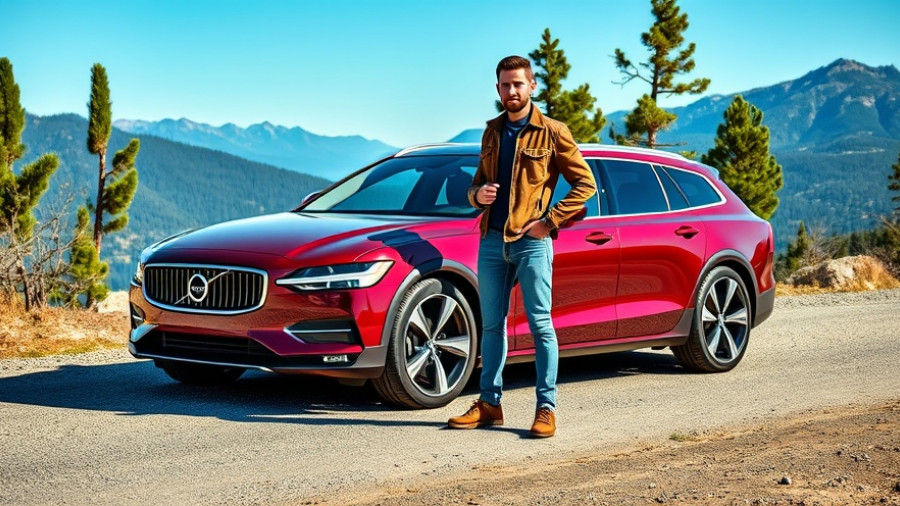
Volvo ES90 electric vehicle on a gravel road with scenic mountain view.

A New Era in Electric Vehicles: The Volvo ES90

The recently unveiled Volvo ES90 marks a pivotal moment for the Swedish automaker, showcasing their commitment to electric mobility. With the integration of an 800-volt architecture, the ES90 establishes itself as Volvo's first model to leverage this cutting-edge technology, enabling significantly reduced charging times compared to its predecessor, the EX90, which operates at 400 volts. This groundbreaking feature not only supports quick charging but also positions Volvo squarely in the competitive landscape of luxury electric vehicles, appealing particularly to green energy enthusiasts and environmentally conscious consumers.

Design and Functionality: The Future of Luxury

The ES90's design presents a unique blend of a traditional saloon and modern SUV characteristics, often described as a reinterpretation of the saloon format. Measuring five meters in length with a higher ground clearance and a coupé-like silhouette, the ES90 breaks conventional automotive categories. Its spacious interior, ample storage capacity, and signature design elements, like the 'Thor’s Hammer' headlights, distinctly mark it as a Volvo. It not only embraces the brand’s strong Scandinavian aesthetic but also introduces variations that align with contemporary electric vehicle trends.

Exceptional Performance and Charging Capabilities

Under the hood, the ES90 offers a range of performance options. The Single Motor variant produces a commendable 329 horsepower, while the Twin Motor models ramp up power to 680 horses, showcasing Volvo's intention to cater to performance-oriented drivers. Impressively, the ES90 can charge from 10% to 80% in just over 20 minutes on an 800V charger, making it one of the fastest-charging vehicles currently available. This efficiency opens doors for homeowners and businesses keen on integrating electric vehicles with responsive solar and charging systems.

Innovating Safety with Advanced Technologies

Volvo's dedication to safety transcends traditional measures and enters the realm of advanced technologies in the ES90. Featuring an array of sensors, including LIDAR and multiple cameras, the vehicle promises improved collision avoidance and autonomous driving capabilities. These innovations underscore Volvo's legacy of vehicle safety while hinting at future models that may evolve into fully autonomous transportation.

A Closing Thought: The ES90’s Appeal to Eco-Conscious Consumers

The ES90 stands as a robust option for environmentally minded individuals seeking a blend of comfort, performance, and advanced technology. As the market shifts towards greener alternatives, Volvo's effort to merge luxury with sustainability resonates with consumers who want to invest in a vehicle that reflects their values. In essence, this forwards the narrative of electric mobility, reinforcing the idea that premium vehicles can also be responsible ones.

In conclusion, the ES90 represents a significant step not only for Volvo but for electric vehicle enthusiasts featuring advanced technology, sustainable design, and an unmatched driving experience. Explore how this thrilling architectural shift in electric mobility can complement your green energy endeavors today.

EVs & Transportation Trends

Write A Comment

*
*
Please complete the captcha to submit your comment.
Related Posts All Posts
05.22.2026

Discover the Kia EV2: Affordable Electric Vehicle Revolutionizing Green Living

Update The Arrival of Kia's EV2: A Game Changer in the B-Segment EV Market The automotive landscape is rapidly evolving, and with the introduction of the Kia EV2, the future looks promising for compact electric vehicles. This newcomer enters the increasingly competitive B-segment market, challenging established players such as Volkswagen and Renault with a well-rounded electric vehicle that boasts an impressive range, user-friendly design, and an attractive price point. Affordable and Practical Electric Driving The Kia EV2 sets itself apart thanks to its competitive pricing, starting around £25,000 for the Standard Range version and potentially reaching £30,000 for the Long Range configuration. This price point positions it not only competitively within the realm of compact EVs but also at a price similar to that of a modern hatchback or supermini, making EV ownership more accessible than ever. In exploring home charging solutions, the EV2 also aligns well with solar energy initiatives, allowing homeowners to utilize their own solar power generation for charging, thereby enhancing cost savings and promoting sustainability in personal transportation. Launch and Features That Stand Out The EV2 is designed with urban drivers in mind, measuring just 4.0 meters in length, making it ideal for tight city streets. The Standard Range model comes equipped with a 42.2 kWh lithium-iron-phosphate battery, offering a range of 197 miles, while the Long Range variant features a 61 kWh nickel-manganese-cobalt battery capable of up to 281 miles of range. These factors enhance its appeal particularly for city dwellers who balance commuting and short trips. Mature Performance with Room for Improvement When it comes to driving dynamics, the EV2 positions itself as a comfortable vehicle that manages urban spaces effectively. However, it is essential to note that the steering could benefit from improved feedback, which might be a dealbreaker for driving enthusiasts. Still, its quiet operation and effective regenerative braking system ensure a smooth driving experience. This is crucial for those who may be using the vehicle for daily commutes, especially as more cities implement low-emission zones that favor electric vehicles, making the transition to electric driving not only environmentally friendly but also financially savvy. Interior Design that Reflects Practicality Inside, the EV2 is somewhat mixed; while it offers a plethora of storage options and an inviting ambiance, boot space falls short of competitors like the Renault 4. Nevertheless, Kias have thoughtfully included various practical features, including haptic controls that streamline user experience with technology. The incorporation of energy-efficient materials and efficient space management aligns with the philosophies of green living and sustainability. Fostering the Economic Shift Towards Electric Vehicles The emergence of the Kia EV2 comes at a pivotal moment in the global shift toward electric vehicles. It serves as a prime example of how manufacturers are responding to consumer demand for more affordable, efficient, and sustainable options. For homeowners interested in green energy, the EV2 represents a pragmatic choice that complements solar and other renewable energy sources, facilitating greater grid independence. Conclusion: A Promising Step Towards Electrification The Kia EV2's launch is a significant move towards democratizing electric vehicle ownership, making it an enticing choice for anyone keen on switching to low-emission driving. With its combination of affordability, practical range, and stylish design, the EV2 has the potential to reshape consumer perceptions around what an electric vehicle can offer. As the electric vehicle market continues to expand, utilizing solutions like solar-powered charging can further enhance your EV ownership experience, helping you to reduce your carbon footprint significantly. For homeowners and businesses alike, embracing such technologies not only aligns with sustainability goals but also offers long-term economic benefits.

05.21.2026

Toyota's Electric Hilux Pricing is Here: A Game Changer for Green Energy

Update Pricing and Specifications for the Electric Hilux Toyota has officially announced the UK pricing for its much-anticipated electric Hilux, making waves in the market as the brand’s first battery-electric pick-up. With an entry price of £57,845, this robust vehicle is set to redefine expectations for commercial electric transportation. The launch of the Hilux BEV (Battery Electric Vehicle) will see order books open on June 1, with deliveries expected to start shortly thereafter. The Rise of Electric Commercial Vehicles As the electric vehicle (EV) market continues to expand, the introduction of the electric Hilux comes at a pivotal moment in Toyota's multipath strategy. The government’s £5,000 plug-in van grant can reduce the effective starting price to approximately £52,845 for the entry-level Icon trim. This strategic development is not just about price, but also aims to promote green energy and sustainability in commercial sectors. Specifications: What to Expect While Toyota has yet to release comprehensive technical specifications, information gathered from the launch in Thailand indicates that the electric Hilux will feature a 59.2 kWh lithium-ion battery pack, potentially allowing a range of up to 240 kilometers in Europe under WLTP testing. This aligns with a growing demand for practical and sustainable solutions among businesses looking to reduce their carbon footprints. Powertrain Options and Features Alongside the battery-electric version, Toyota will continue to offer the traditional diesel 48V powertrain, appealing to a wider customer base. The new Hilux will come equipped with cutting-edge features such as Multi-Terrain Select and Downhill Assist Control, which allow for enhanced usability in off-road conditions, indicating Toyota's commitment to maintaining the Hilux's reputation as a reliable workhorse. Integrating Green Technology The electric Hilux is not only a step forward for Toyota but also for the integration of sustainable practices in transportation. As more consumers and businesses prioritize green energy solutions, vehicles like the electric Hilux provide vital options to reduce emissions without compromising performance. Additionally, the announcement of a hydrogen fuel cell version expected in 2028 showcases Toyota's commitment to future technological advancement and diversification of energy sources in the automotive industry. Implications for Homeowners and Businesses The arrival of the electric Hilux in the UK is not just significant for motorists but for homeowners and businesses considering the shift to greener alternatives. With residential solar installations and EVs increasingly becoming complementary technologies, the Hilux stands as a promising option for businesses aiming to enhance sustainability while meeting transportation needs. Final Thoughts The electric Hilux signifies a transitional phase for commercial vehicles towards a more sustainable future. By integrating advanced electric mobility options into its line-up, Toyota is responding to the evolving preferences of consumers and businesses alike. For those considering energy-efficient solutions, the impending launch of the electric Hilux coupled with favorable government incentives presents a timely opportunity to invest in a greener future.

05.17.2026

Assessing the Entry-Level Tesla Model Y: Is the Cost Cutting Worth It?

Update Assessing the Entry-Level Tesla Model Y: Is the Cost Cutting Worth It? Tesla, the electric vehicle pioneer, has made headlines yet again with its new entry-level Model Y, designed to cater to budget-conscious consumers seeking eco-friendly transportation options. As registrations soared by nearly 60% in Europe in early 2026, questions arise: has Tesla successfully stripped down its bestseller without losing essential functionality, or did cost-cutting measures compromise the vehicle’s quality? How Tesla Is Shaping the Electric Vehicle Market The growth trajectory of Tesla over the past decade marks a significant transformation from niche manufacturer to a formidable player in the automotive industry. This evolution was highlighted by the European Automobile Manufacturers’ Association (ACEA), reporting a staggering increase in new Tesla registrations. What’s driving these figures, particularly with the launch of affordable versions of the Model Y and Model 3? Since the launch of the entry-level Model Y version, buyers have taken notice of its competitive pricing, starting at around 39,990 euros. However, thanks to government subsidies and incentives, the effective price could drop even lower. Despite the appealing price point, one must consider the implications of reduced features and capabilities that may accompany this cost-cutting strategy. The Mechanics Behind the Price Adjustments In order to arrive at a base price that appeals to a broader market, Tesla implemented a series of modifications. The standard Model Y comes equipped with a 60 kWh LFP (Lithium Iron Phosphate) battery, delivering a respectable range of up to 534 kilometers (WLTP). This battery choice is a notable departure from higher-end models, yet it reflects a strategic decision to offer adequate range while managing production costs. Critics, however, note that the transition to budget models often comes at a cost—namely, the perceived quality of materials and features. For instance, the simpler interior aesthetics and lack of luxury finishes have raised concerns, drawing comparisons to the recently launched Standard Model Y, which stripped away high-end components in favor of essential functionalities. Comparative Insights: Premium vs. Entry-Level In a world where buyers increasingly demand more for less, the decision to forgo premium features in favor of affordability can be contentious. A recent review reported that the Standard Model Y, although cheaper, lacked some key design elements that buyers may expect, such as refined interior finishes and advanced sound insulation. These features, while less critical for budget-conscious consumers, do contribute to the overall driving experience. Moreover, driving impressions reveal that despite its simpler design, the entry-level Model Y maintains a robust performance that mirrors its higher-priced siblings. Tesla has worked diligently to ensure that even its stripped-down version provides the underlying technology and performance that initially captivated many consumers eager to invest in electric vehicles. The Emotional Appeal of Going Green For environmentally conscious consumers, the promise of sustainable driving often outweighs material comforts. Buying a Tesla, particularly the new entry-level Model Y, symbolizes a step toward reducing carbon footprints—an attractive prospect for homeowners and businesses investing in green energy. The alignment of EV ownership with personal values around sustainability corresponds with the trend of green living that is rapidly gaining momentum. Conclusion: Is the Entry-Level Model Y Right for You? The Tesla Model Y's foray into more accessible pricing certainly opens the door for new consumers. However, potential buyers must weigh the pros and cons of lower costs against the compromises in features and luxury. If you're looking to transition to an electric vehicle, understanding the balance between affordability and premium experiences is crucial. For those considering integrating green technologies in their daily lives, now is the time to evaluate how models like the Tesla Model Y can fit into your needs. Transitioning to electric not only aids in reducing reliance on fossil fuels but also aligns with a growing trend toward sustainable energy solutions. Ready to take the plunge into the world of electric vehicles? Explore the benefits of home charging stations and solar energy solutions that complement your new eco-friendly ride. Visit your local solar provider to see how you can power your Tesla sustainably and efficiently!

Terms of Service

Privacy Policy

Core Modal Title

Sorry, no results found

You Might Find These Articles Interesting

T
Please Check Your Email
We Will Be Following Up Shortly
*
*
*