Add Row
Add Element
UPDATE
August 12.2025
3 Minutes Read

Explore the Top Floodlight Cameras for Sustainable Home Security in 2025

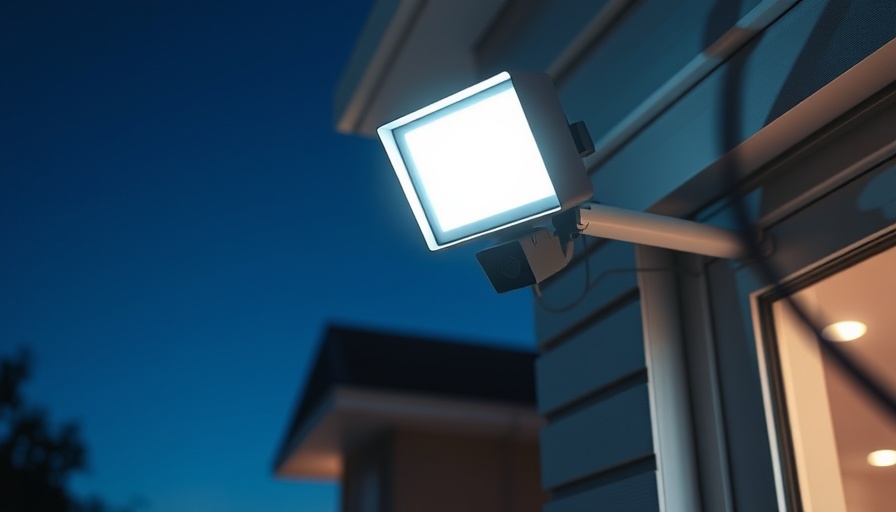
Modern home security camera with floodlights at night, best for 2025.

Why Floodlight Security Cameras are Essential in 2025

As we step into 2025, the need for enhanced home security solutions is greater than ever. Floodlight cameras not only provide illumination but also play a pivotal role in deterring crime and safeguarding our properties. The ubiquity of smart home technology has led to an increased interest among homeowners and businesses, primarily those embracing solar and green energy solutions. The combination of enhanced lighting and surveillance technology creates a powerful tool for security in residential and commercial settings alike.

Top Floodlight Security Cameras of 2025

Through extensive testing and analysis, several models of floodlight cameras have emerged as leaders in 2025. These devices seamlessly integrate advanced features, such as high-quality video streaming, energy-efficient LED lights, and compatibility with solar energy systems. Homeowners looking to enhance their security without significant energy costs will find these devices particularly appealing:

  • Arlo Ultra 2 Floodlight Camera: Known for its 4K video quality and advanced motion detection, this camera also offers a solar panel option that optimizes energy use.
  • Ring Floodlight Cam Wired Plus: Integrating well with other Ring devices, this camera captures crystal-clear video and is designed for easy installation.
  • Eufy Security Floodlight Camera: This budget-friendly option features 1080p resolution and local storage, making it a great choice for energy-conscious consumers.

Understanding the Technology Behind Floodlight Cameras

Rich with technology, floodlight cameras utilize artificial intelligence (AI) to identify potential threats, drastically reducing false alarms. Advanced sensors can differentiate between people, vehicles, and animals, providing homeowners with relevant notifications without unnecessary disturbances. Moreover, many models offer connectivity with smart home systems, allowing for remote operation via smartphones or voice commands. This interoperability enhances their utility, making them crucial components of modern smart home setups.

Future Trends in Home Security and Energy Use

As we look ahead, the integration of floodlight cameras with green technology is a notable trend. With the push for sustainability, many new models are designed to run on solar energy, leveraging powerful solar panels. This not only minimizes electricity costs but also aligns with the increasing consumer demand for eco-friendly products. Expect to see innovations in energy storage solutions that will allow these cameras to operate efficiently even in low-light conditions, further enhancing their reliability.

Common Myths About Floodlight Cameras

Many consumers harbor misconceptions about floodlight cameras being overly complicated or too costly. However, advancements are leading to simplified installation processes, often achievable by the homeowner without professional assistance. Moreover, the long-term savings on energy bills and potential reduction in home insurance costs can quickly recoup initial investments. Understanding these benefits is crucial for homeowners contemplating these upgrades.

Final Thoughts: Taking Action for Your Home Security

Investing in floodlight security cameras in 2025 is not merely about technology; it's about securing peace of mind for your home and family. By embracing these cutting-edge devices, homeowners can ensure safety while promoting sustainable energy use. If you are considering upgrading your security system, now is the time to choose a model that fits your lifestyle and energy goals.

Join the Movement Towards Sustainable Security

As more homeowners look to integrate smart technology with eco-friendly practices, the movement toward solar-powered floodlight cameras is gaining traction. Join this trend by researching the right model for your home and normalizing energy-conscious choices for security solutions. Moreover, subscribe to related industry insights and tips to stay updated on the latest findings and advances in smart home technology.

Smart Home & Technology Advancements

Write A Comment

*
*
Related Posts All Posts
12.23.2025

Why Homeowners Should Consider the Blink Wireless Home Security Camera Now

Update Discovering the Blink Sustainability AdvantageAs consumers become increasingly aware of environmental issues, the integration of smart home security systems with green energy solutions has gained traction. Blink Wireless Home Security Cameras exemplify this trend, providing a cost-effective security option with minimal energy consumption. The Blink Outdoor 4 cameras, priced at just $72 and noted for their impressive battery life, are equipped to run for longer durations on simple lithium AA batteries. This feature not only reduces the frequency of battery replacements—about every 18 months—but also lessens the environmental impact associated with regular recharging of traditional security cameras.Technology Meets AffordabilityFinding quality technology that doesn’t break the bank is critical for homeowners and businesses alike. The Blink Outdoor 4, recognized for its stellar performance, manages to maintain affordability with a commendable price point. With the ability to operate without frequent recharging and minimal maintenance costs, the device stands in stark contrast to its competitors that often demand elevated price tags alongside continuous energy consumption. Therefore, for those interested in adopting solar or green energy solutions, the Blink cameras represent a smart investment that aligns with sustainability efforts.Practical Insights for Smart Home ImprovementsFor homeowners looking to enhance their properties’ security while maintaining ecological integrity, integrating Blink cameras can be advantageous. The simple installation process means no need for intricate wiring systems or energy-hungry charging devices. This appeals especially to businesses seeking efficient yet effective security measures that can be managed without additional energy expenditure. Blink’s decision to forgo complex smart platform integrations may limit immediate compatibility with varying smart home products, but it allows for a streamlined, energy-efficient operation overall.Evaluating Your Home Security NeedsBefore fully committing to a new security system, homeowners should assess their specific needs. It’s crucial to consider factors such as the size of the property, the layout for optimal placement, and whether multiple cameras may be required. Blink’s affordable pricing allows for flexibility in these decisions, making it possible to set up a comprehensive system without overspending. As energy cost concerns continue to rise, adopting devices that promise low energy use, like the Blink Outdoor 4, can provide both peace of mind and lower operational expenses.Looking Ahead: Trends in Home SecurityThe future of home security will undoubtedly lean toward more sustainable practices, moving away from energy-draining devices. As smart home technology evolves, newer systems will likely integrate more energy-efficient solutions, reinforcing cost management for users. Blink’s continued adaptation in a market pushing for greener alternatives suggests a growing trend among manufacturers to prioritize energy conservation and environmental responsibility.Final Thoughts and Action StepsThe Blink Outdoor 4 presents a solid case for anyone interested in enhancing home security without sacrificing ecological priorities. By opting for systems like Blink that prioritize long battery life over extensive charging, consumers can significantly reduce their carbon footprint while protecting their homes. If you're contemplating an upgrade or simply want to secure your home with limited maintenance, consider integrating the Blink Outdoor 4 camera into your security strategy.

12.22.2025

Transform Your Home with the Best Smart Home Devices of 2025

Update Smart Home Devices for 2025: An Eco-Conscious Upgrade As homes become increasingly energy-efficient, the integration of technology into our daily lives has given rise to a new wave of solar and green energy-centric smart home devices. These gadgets not only bring convenience but can also significantly contribute to energy savings and a reduction in your carbon footprint. With 2025 upon us, homeowners and businesses alike have exciting choices available. Why Invest in Smart Home Technology? Smart home devices play a vital role in creating a synchronized living environment. According to recent studies, integrating smart technology can lower energy consumption by up to 10-30%. As Tyler Lacoma meticulously highlighted in CNET's review, devices such as smart thermostats can dynamically adjust energy use, ensuring homes remain comfortable while maximizing efficiency. For those focused on sustainability, this metric transforms the initial investment into a long-term financial asset. Best Smart Home Devices for Energy Efficiency Among the standout products for 2025 are: Nest Learning Thermostat Gen 4 ($240): This device learns your schedule and can adjust temperatures accordingly, saving you energy when you're away from home. Arlo Pro 6 Security Camera ($125): Equipped with AI features that can help track movement around your property, enhancing security and enabling more efficient energy usage. GE Cync Dynamic Effects Smart Bulb ($27 per bulb): This bulb allows users to set moods and can be scheduled, helping you reduce energy consumption based on your habits. These options showcase a balance between everyday utility and the modern homeowner’s pursuit of sustainability. Leveraging Solar Power with Smart Tech As the shift toward renewable energy continues, integrating solar solutions with smart home devices is becoming increasingly savvy. Smart solar panels and battery storage solutions can now communicate with home management systems, leading to optimized energy production and consumption. By pairing these devices with smart thermostats and plugs, as outlined in a report by PCMag, users can effectively reduce reliance on grid power, allowing for greater energy independence. Future Predictions in Smart Home Energy Management The future appears promising for smart home technology. As advancements continue in Solar System Products, many experts predict that by 2030, nearly every device in a household will connect to the internet, optimizing energy consumption based on real-time data analytics. This trend is likely to be driven by platforms that support interoperability between different brands, enhancing user experience and accessibility. Practical Benefits of Smart Devices Understanding the benefits of these smart devices comes down to not only financial savings but also the improvement in quality of life. Imagine controlling your heating and cooling systems remotely, or better yet, your solar energy systems, ensuring that you use energy when it’s most cost-effective or when the sun is shining the brightest. These innovations not only save money but also provide peace of mind. Making Informed Choices Choosing the right smart device should involve careful consideration of how they integrate with each other. Many systems are easily interconnected, allowing for the creation of personalized scenarios through voice command or mobile apps. Whether purchasing a smart plug to automate appliances or a complete DIY home security system, ensure compatibility and ease of use to maximize the benefits. In summary, investing in smart home devices is not just about convenience; it is a powerful step toward a greener future. Homeowners and businesses should contemplate adding these devices to enhance their lifestyles while contributing positively to ecological sustainability. While smart devices offer remarkable benefits, consider conducting thorough research and aligning your investments with your values around energy savings and sustainability.

12.20.2025

Essential Guide to Securely Mounting Home Security Cameras

Update Understanding Security Camera Installation For homeowners and businesses interested in utilizing advanced technology like solar-powered security cameras, understanding installation methods is vital. The choice of camera mounts significantly affects the functionality and durability of your surveillance system. Although there are various mounting options available, each is best suited for specific types of cameras and conditions. Here's an in-depth look at some recommended installation methods paired with considerations for avoiding potential pitfalls. Why Camera Mounts Matter Security camera mounts serve as foundational support structures for successful installations. They ensure that cameras maintain a proper vantage point for optimal video coverage, regardless of environmental factors. For example, secure mounts help prevent cameras from being knocked out of position by strong winds or unforeseen impacts. However, not all mounts provide the same durability or effectiveness. In fact, it’s essential to select a mount type that aligns well with the camera's design and intended application, whether indoor or outdoor. Versatile Options: Screw-in and Magnetic Mounts Screw-in mounts remain a favorite among tech-savvy homeowners. These mounts involve physically securing the camera to a wall or a post using screws, providing stability and reliability in various weather conditions. It’s ideal for outdoor cameras that must face the elements. Magnetic mounts, while modern and convenient for adjustment, should be used with caution. Although they allow for easy repositioning, they can sometimes be dislodged by extreme weather conditions, requiring occasional realignment. Exploring Wireless and Wired Options For installation, choosing between wireless and wired solutions is crucial. Wireless cameras offer the advantage of flexible installation locations, making them highly appealing for outdoor settings. They can easily be paired with solar panels for uninterrupted power supply, reducing the need for frequent battery replacements. On the other hand, wired installations, commonly used with floodlight and dome cameras, require more complex setups and are typically connected to the home's electrical system. While dependable as far as power, wired cameras may pose challenges in terms of installation and location freedom since they rely on proximity to electrical outlets. Common Pitfalls to Avoid Many homeowners may find themselves frustrated by adhesive mounts, which can be effective in some scenarios. However, their suitability is limited, as they adhere best to smooth, clean surfaces. Heavy cameras could easily detach under wear or exposure to elements, leading to potential damage and loss of functionality. Similarly, light bulb mounts, though convenient, often sacrifice quality and viewing angles. They can serve as supplemental surveillance but shouldn't replace more robust systems unless absolutely necessary. Tailoring Security Cameras to Your Environment Installation location is critical when setting up security cameras. An ideal height for mounting is usually between eight to ten feet for home installations. This height deters tampering while also ensuring a clear field of vision. Furthermore, ensure that areas such as entryways, garages, and driveways are prioritized for coverage, offering security and peace of mind throughout your property. Climate Considerations Understanding your local climate is another important factor in camera installation. For regions with notably high solar exposure, opting for solar-friendly camera mounts can alleviate concerns related to battery maintenance. These installations not only contribute toward sustainability but also reduce operational costs over time. Conversely, areas prone to heavy rainfall or snow may require mounts that can withstand such weather conditions. Actionable Insights for Installation When strategically placing security cameras, consider conducting a thorough assessment of your property before installation. Identify the most vulnerable areas and position cameras where they can capture both motion and facial details effectively. Acquaint yourself with the product specifications of your camera and its compatible mounts to ensure the best fit for your home or business. By thoughtfully selecting the appropriate installation methods and avoiding common pitfalls, you can build a comprehensive security surveillance system that meets your unique needs and environmental challenges. Don’t overlook the benefits of solar installations; they are becoming increasingly viable for energy-conscious consumers who wish to maintain security without compromising on eco-friendliness. For more comprehensive preparation, check out guides on the best DIY home security systems and installation tips.

Terms of Service

Privacy Policy

Core Modal Title

Sorry, no results found

You Might Find These Articles Interesting

T
Please Check Your Email
We Will Be Following Up Shortly
*
*
*