Revolutionizing Urban Mobility: Munich's Autonomous Electric Bus
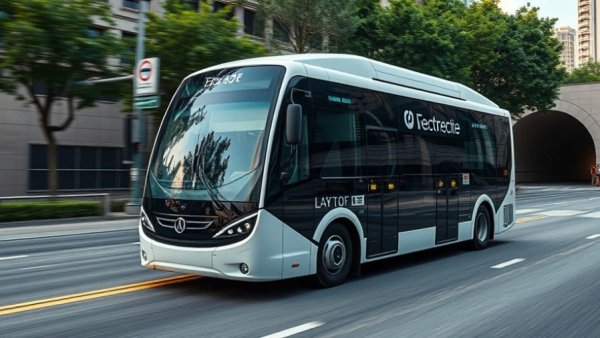
In an ambitious leap towards sustainable urban transport, Munich has launched the MINGA project, introducing a 12-metre autonomous electric bus aimed at enhancing public transportation. Beginning November 17, residents and visitors in Munich can experience this cutting-edge technology firsthand, marking a pivotal moment in the evolution of urban mobility. This initiative is not just about advanced technology; it's about integrating public transport with autonomy, relying on green energy solutions that align with the growing demand for environmentally responsible transport options.
How the MINGA Project Works
The MINGA project, an acronym for "Munich's automated public transport with ride pooling, solo buses, and bus platoons," has been in development since 2023, funded with approximately €13 million from the German Federal Ministry of Transport. This innovative project aims to address challenges faced by local public transport, including staff shortages and budget constraints. Equipped with state-of-the-art technology, the MAN Lion’s City electric bus is fitted with LiDAR sensors, radars, cameras, and satellite positioning technologies, enabling it to navigate public roads autonomously.
Passenger Participation: A Step Toward Trust
As the test phase kicks off, passenger involvement is crucial. With over 2,000 pre-registrations for rides, participants will provide essential feedback on their experiences. The presence of a safety driver on board ensures immediate control if necessary, fostering a sense of safety among users. As Munich's Deputy Mayor, Mona Fuchs emphasizes, gaining public trust in this technology is vital. The collective experiences of passengers during these test drives will shape future iterations of autonomous transport solutions, making accessibility and user safety top priorities.
Green Energy Integration and Future Trends in Urban Transport
This trial illustrates a significant shift toward integrating electric mobility into the city's existing transport infrastructure. With rising concerns about climate change and sustainability, projects like MINGA signify a commitment to green energy solutions and the potential to reduce urban carbon footprints through cleaner public transport options. As cities grapple with the pressures of modern living, innovations in electric and autonomous transportation will likely play a crucial role in creating smarter, more sustainable urban environments.
Broader Implications for Urban Sustainability
The implications of successful autonomous transport systems extend beyond merely improving public transport efficiency. They hold the promise for cities to curtail emissions and reduce reliance on fossil-fuel-based transportation. Integrating solar technology into the operational framework of such buses could further enhance their eco-friendliness, allowing urban areas to utilize renewable energy sources effectively. As green energy continues to gain traction, urban transport systems like the one in Munich may serve as models for cities worldwide.
Conclusion: The Path Ahead for Urban Mobility
The MINGA project's pilot program will run until June 2027, during which continuous assessments will feed into refining autonomous vehicle technologies that prioritize public safety and user experience. With its innovative approach to public transportation, particularly in utilizing an autonomous electric bus that embodies sustainability, Munich is positioning itself as a leader in the future of urban mobility. As we look to the future, embracing these advancements will not only improve urban living but also contribute to a more sustainable and resilient planet. Stay tuned to find out how the MINGA initiative progresses and how you can be part of this transport revolution.


Write A Comment