UPDATE
October 18.2025
3 Minutes Read

Discover the ID.UNYX 07: Volkswagen's New EV for China's Green Future

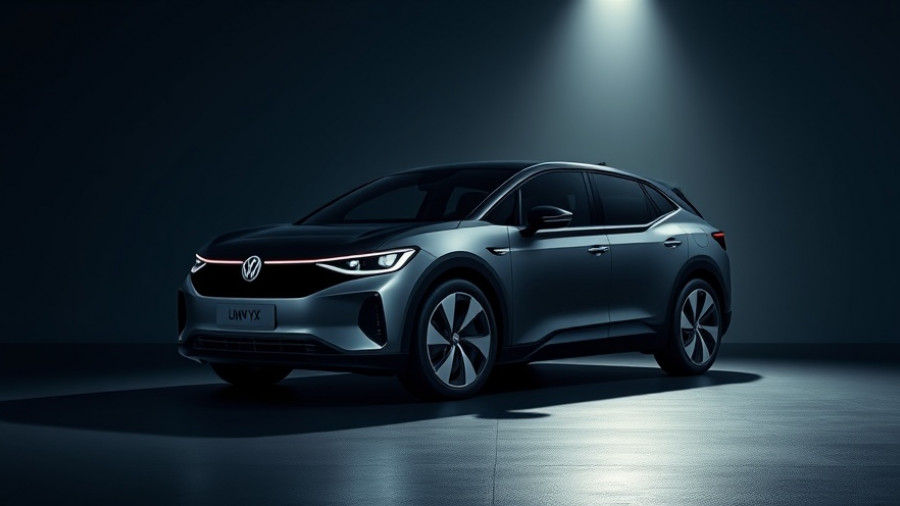
Volkswagen ID.UNYX 07 electric vehicle in studio setting, China

The Arrival of the ID.UNYX 07 in China’s EV Landscape

Volkswagen Anhui has recently unveiled the first images of its upcoming electric sedan, the ID.UNYX 07, slated for launch in 2026. This new addition marks a significant departure from the previous MEB platform, focusing instead on a design tailored specifically for the Chinese market. Distinctly positioned as a mid-size sedan slightly larger than Tesla’s Model 3, the ID.UNYX 07 is designed to capture the attention of consumers in one of the world's largest electric vehicle markets.

Why the ID.UNYX 07 Matters in the EV Ecosystem

The establishment of the ID.UNYX sub-brand represents Volkswagen’s effort to gain ground in the fiercely competitive Chinese EV landscape. The ID.UNYX 07 is not merely an iteration of its predecessor, but a completely new model designed using a fresh electric architecture specifically crafted for the local environment. As the industry shifts toward electrification, understanding the implications of this development becomes crucial for homeowners and businesses exploring sustainable energy options. This vehicle embodies the integration of advanced technology and a progressive design ethos intended to attract eco-conscious consumers seeking greener alternatives.

Critical Features of the ID.UNYX 07

The dimensions of the ID.UNYX 07 are noteworthy; it measures 4.85 meters in length, making it a compelling choice for spacious interiors. Its design aligns with the ID.UNYX family's aesthetic, showcasing sharp headlights and innovative features such as a sectional panoramic sunroof. The vehicle also boasts a 170 kW electric motor and a considerable curb weight of 2,057 kg, which leads to a design focusing on performance and reliability. These specifications cater to modern drivers who prioritize eco-friendly solutions without sacrificing the driving experience.

The Competitive Edge: How ID.UNYX 07 Stands Out

Volkswagen Anhui's approach with the ID.UNYX 07 showcases a commitment to remain competitive amid emerging domestic players like BYD and NIO. By introducing a sedan with a distinctive brand identity that diverges from traditional MEB EVs, Volkswagen is positioning itself strategically against rivals in China’s evolving automotive scene. The single-variant rollout, initially featuring a 170 kW powertrain, may widen to include additional configurations as market preferences dictate.

The Future of Green Mobility: What’s Next for Volkswagen Anhui?

The ID.UNYX 07 is part of a broader umbrella strategy that will see Volkswagen Anhui rolling out three new models in 2026, which will cater to various segments of the automotive market. As electric vehicles proliferate, the launch of models that meet specific consumer needs becomes increasingly vital. The future not only lies in the capabilities of these vehicles but also in how they integrate with renewable energy solutions, such as rooftop solar and smart home charging stations. With eco-friendly choices becoming paramount, the ID.UNYX 07 may set a precedent for how consumers approach energy-efficient transportation.

Embracing Electric Vehicles: Benefits Beyond Just Driving

For homeowners and businesses eager to embrace sustainability, the ID.UNYX 07 represents much more than just another EV launch. It symbolizes a burgeoning trend that ties in electric mobility with renewable energy initiatives. Equipped with sophisticated battery technology and a design that emphasizes energy efficiency, the ID.UNYX 07 could potentially align with solar-powered solutions, giving consumers the ability to own their energy consumption while reducing carbon footprints.

As we look ahead, it’s critical to stay updated on the developments surrounding electric vehicles and their integration with green technologies. Engaging with these advancements can empower you to make informed decisions that promote a sustainable future.

Industry News & Trends

Write A Comment

*
*
Please complete the captcha to submit your comment.
Related Posts All Posts
05.23.2026

How An Post Halved Emissions with Electric Vehicles Leading the Charge

Update Leading the Charge: An Post's Revolutionary Shift to Electric Vehicles In a compelling move towards sustainability, An Post, Ireland’s national postal service, has announced a remarkable achievement: it has successfully halved its carbon emissions ahead of its target date, a feat made possible by the transformative integration of electric vehicles (EVs) into its fleet. This ambitious initiative sees over 50% of An Post's delivery vehicles now fully electrified, marking a significant milestone in the organization’s ongoing commitment to reducing its environmental impact. Path to Sustainability: An Innovative Strategy This achievement is primarily driven by An Post’s €200 million Green Light Strategy, which aims to decarbonize operations while ensuring commercial viability. The strategy was further propelled by a rapid increase in parcel deliveries; last year alone, An Post handled an incredible 73 million parcels, a staggering 27% increase. Under these pressures, the company has not only adapted but thrived, successfully deploying 575 EVs this year—30% of which have replaced outdated diesel vehicles. Impact on Emissions: Concrete Results According to An Post’s sustainability reports, the deployment of these electric vehicles has played a pivotal role in reducing emissions by 50% when compared to 2009 levels. With 95% of their heavy vehicle fleet now using hydrotreated vegetable oil—a renewable fuel derived from plant oils—An Post stands at the forefront of sustainable logistics globally. Moreover, the transition to electric has witnessed a reduction in maintenance costs, with EVs experiencing 50% fewer breakdowns due to their innovative engineering compared to traditional diesel vehicles. Investing in Renewable Energy: A Future-Oriented Approach Complementing its vehicle upgrades, An Post has made significant strides in powering its operations with green energy. Currently, 99% of its facilities utilize renewable energy sources. This holistic approach not only strengthens An Post’s operational efficiency but also significantly mitigates their carbon footprint, aligning with global sustainability goals. Engaging Local Communities: Social Responsibility With sustainability being a core value, An Post recognizes the importance of community engagement. By transitioning to an electric fleet, the organization is not just minimizing its environmental impact but also contributing to healthier air quality for the communities it serves. As one of the largest electric vehicle operators per capita globally, An Post’s commitment resonates with residents who prioritize eco-friendly practices in their day-to-day lives. The Road Ahead: Striving for Net Zero by 2030 Looking ahead, An Post has set its sights on achieving net zero emissions by 2030. This ambitious target underscores the organization's dedication to sustainability and public service. With plans for additional EV acquisitions and further adoption of renewable energy solutions, An Post aims to serve as a model not just for postal services but for all industries seeking to embrace a greener future. CEO David McRedmond has emphasized that the initial milestone of halving emissions is a significant step, reinforcing their resolve to meet long-term sustainability goals. Conclusion: A Call to Embrace Green Solutions The strides made by An Post present a strong case for the integration of EVs and renewable energy solutions across various sectors. As homeowners and businesses explore ways to adopt green technologies, An Post's examples serve as inspiration for action and commitment to the environment. In light of this, consider how adopting solar energy, electric vehicles, or similar initiatives could benefit your own community and reduce your carbon footprint. Together, we can aid in the transformation toward a greener planet.

05.19.2026

Is the Proposed Annual EV Fee the Next Step for Sustainable Transportation?

Update US Lawmakers Propose Annual EV Fee: A New Era in Transportation Funding The demand for electric vehicles (EVs) is rising, yet the fiscal structure supporting U.S. transportation is stagnating. This paradox lies at the heart of the recent proposal by U.S. lawmakers to introduce an annual federal fee for electric vehicles as part of a comprehensive five-year transportation package named the Surface Transportation Reauthorization Bill, also referred to as 'BUILD America 250.' Understanding the New Fees Under the proposed legislation, battery-electric vehicles (BEVs) would incur an annual fee of $130, while plug-in hybrids would be charged $35 each year. These fees, expected to increase modestly over time, are designed to address the significant shortfall in funding for road and infrastructure maintenance—an area primarily supported by fuel taxes, which electric vehicles do not contribute to. Beginning in 2029, these fees will grow by $5 annually until they reach a cap of $150 for BEVs and $50 for plug-in hybrids. Impact on Electric Vehicle Infrastructure As electric vehicle ownership increases—prompted by both consumer adoption and recent federal incentives—many states have already put separate EV registration fees into effect. However, this new proposal also raises concerns about the sustainability of EV charging infrastructure funding, with indications of potential reductions in support for various clean transport initiatives including charging stations and electric public transport projects. The Bigger Picture: Funding the Highway Trust Fund The push for EV fees is a strategic attempt to source funding for the Highway Trust Fund (HTF), which has faced weakening revenue as fewer consumers rely on gasoline and diesel fuels. This effort echoes previous attempts to ensure EV owners contribute reasonably to infrastructure maintenance and development. For context, fees on electric vehicles were initially suggested at $200 and later increased in a separate proposal by Republican senators advocating for a $1,000 EV fee starting in 2025. These fluctuations underscore the urgency of finding a balanced, sustainable revenue model going forward. The Road Ahead: Challenges and Critiques The proposed fee structures face scrutiny and potential pushback—particularly regarding how the collected funds will be allocated. Critics express concern that, rather than enhancing EV infrastructure, the funding may detract from advancements if not properly managed. As of 1993, the federal petrol tax has remained unchanged at 18.4 cents per gallon—a figure that feels outdated in a modern context where electric vehicles are becoming commonplace. Evaluating how this new legislation aligns with broader electrification goals will be crucial. Social Polarization: Addressing Diverse Community Needs Moreover, the reduction in funding for clean transport initiatives raises questions about equity. U.S. lawmakers need to consider how these fees and related funding cuts disproportionately impact underserved communities that may heavily rely on public transportation. Balancing environmental goals with equitable access will be imperative as transportation regulations evolve. Conclusion: A Call for Informed Engagement The proposed annual EV fee presents an opportunity for meaningful dialogue about future transportation funding in an increasingly electric automotive landscape. For homeowners and businesses focused on solar and green energy initiatives, staying informed about how these changes might affect the EV market and corresponding infrastructure investments is crucial. Everyone advocating for a greener future should engage with local and national policymakers to ensure community voices are heard in the transportation funding discussions.

05.18.2026

EPA’s PFAS Initiative: A Game-Changer for Water Quality and Sustainability

Update The Push for Clean Water Standards: Fighting PFAS On April 28, 2025, in a decisive move, EPA Administrator Lee Zeldin announced significant actions aimed at targeting the perilous PFAS (Per- and Polyfluoroalkyl Substances) contamination, commonly known as "forever chemicals". This announcement outlines new regulations and collaborative efforts to protect the nation's drinking water from PFAS levels that have been deemed hazardous. Alongside a dedicated PFAS lead within the EPA, the agency is set to implement effluent limitations guidelines (ELGs) preventing harmful discharges into water systems. Understanding PFAS: What Homeowners and Businesses Need to Know For homeowners and businesses invested in adopting green energy technologies, such as solar power, understanding PFAS contamination is crucial. These chemicals can interfere with water quality, impacting not only public health but also the efficacy of any water-dependent solar applications, like cooling systems utilized in residential or commercial solar installations. Historical Context: Navigating the Legacy of PFAS The struggle against PFAS began decades ago when concerns surfaced regarding their resistance to environmental degradation. This led to growing instances of contamination found in water supplies around the country. Understanding this history is essential; it highlights the evolving nature of environmental policies aimed at ensuring clean air and water for all Americans. Future Implications for Clean Water Initiatives The measures being proposed by Administrator Zeldin signify a monumental shift in environmental policy. The emphasis on creating a clear liability framework ensures that polluters are held accountable while protecting passive receivers—individuals and communities that inadvertently suffer from contamination. As consumers become more aware of these changes, they will likely push for transparency in drinking water quality, impacting businesses reliant on clean water. What Businesses Can Do: Proactive Strategies to Thrive For businesses, particularly those in the green energy sector, adapting to new policies regarding water quality is crucial. Companies should assess their water source dependencies and implement proactive measures to mitigate contamination risks. Engaging in sustainable practices and ensuring compliance with new regulations will not only protect their reputation but also promote customer confidence in an era where health and safety are paramount. Engagement and Insights: Public Involvement Is Key A public comment period will soon open regarding these new regulations, and it is imperative for stakeholders—from home and business owners to environmental advocates—to engage actively. Participation can influence final decisions, ensuring that community concerns are heard in the policymaking process. Through these announcements and forthcoming actions, the EPA is poised to lead the charge in combatting PFAS contamination effectively. As a society, we must hold regulators accountable while also recognizing the critical role individuals and businesses play in fostering a cleaner, safer environment. Call to Action: Be sure to stay informed about upcoming public comment opportunities regarding PFAS regulations and engage in discussions that promote clean water initiatives in your community.

Terms of Service

Privacy Policy

Core Modal Title

Sorry, no results found

You Might Find These Articles Interesting

T
Please Check Your Email
We Will Be Following Up Shortly
*
*
*