Add Row
Add Element
UPDATE
August 01.2025
3 Minutes Read

Discover the Best Amazon Deals: Elevate Your Space with Govee Smart Lighting and Bose Headphones

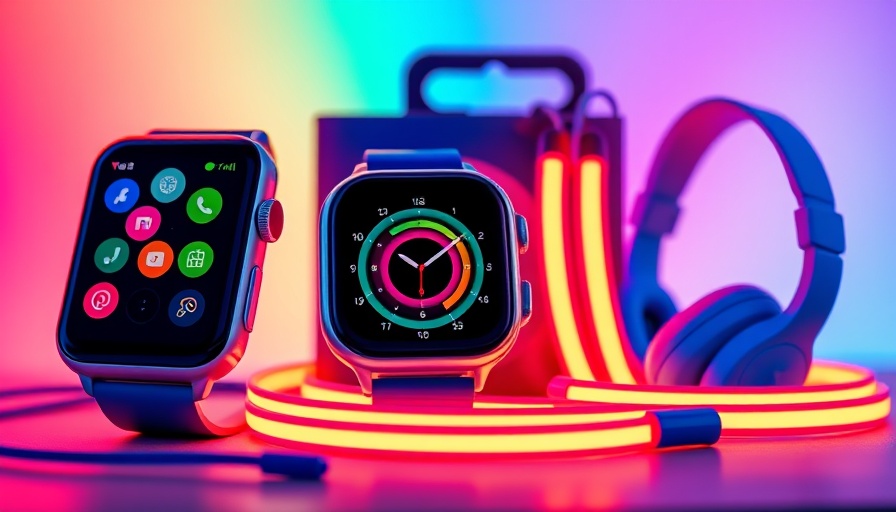
Amazon Smart Lighting Deals: Smartwatch, lighting package, headphones.

Transform Your Space with Smart Lighting Innovations

In today's fast-paced world, the quest for creating a comfortable and aesthetically pleasing environment is at the forefront of many homeowners' and businesses' aspirations. Smart lighting, such as the newly discounted Govee RGBIC LED Smart Neon Rope Light 2, offers a transformative solution. Priced at just $130, this innovative product elevates the ambiance of any space. With its ability to be shaped into custom designs and integrated with home assistant technologies, it caters to both personal creativity and technological utility.

The appeal of Govee lighting products lies not only in their versatility but also in their energy efficiency. Smart lighting typically uses less electricity than traditional bulbs, making them a savvy choice for environmentally-conscious consumers seeking ways to reduce their energy footprint. As awareness of green living rises, coupling stylish lighting solutions with sustainable practices becomes increasingly vital.

The Rising Popularity of Noise-Canceling Headphones

Alongside innovations in smart lighting, consumers are also leaning towards products that enhance their auditory experience. The Bose QuietComfort headphones exemplify this trend, offering state-of-the-art noise-canceling technology. Priced at a record low of $229, these headphones utilize hybrid noise-canceling abilities that not only block ambient noise but enrich the listening experience through features like Spatial Audio.

As remote work and commuting continue to play significant roles in our lives, the demand for high-quality sound and noise isolation solutions is on the rise. Investing in effective audio equipment supports productivity while improving overall comfort in varied environments. Moreover, reducing external auditory distractions can enhance focus, making these headphones an attractive option for both professionals and students.

Smart Home Integration: A Strategic Consideration

For homeowners and businesses alike, integrating smart devices into their existing systems proves beneficial. Both Govee's lighting solutions and Bose's headphones offer apps for seamless management, reflecting the broader trend toward interconnected smart home ecosystems. Utilizing home automation allows individuals to personalize their environments efficiently, enhance energy management, and contribute positively to sustainability efforts.

Moreover, adopting energy-efficient technologies aligns with global initiatives to minimize environmental impact. As smart home systems evolve, consumers gain more control over their energy use, leading to potential reductions in utility bills. This transition not only serves personal interests but supports wider social and environmental goals, paving the way for a greener future.

Future Trends in Home Technology

As we gaze into the future of home technology, several trends emerge alongside the popularization of products like Govee's and Bose's offerings. The growth of smart home technologies is expected to accelerate, with increased consumer investment in sustainable, user-friendly appliances. Solar energy integration is likely to surge, with products designed to complement and manage renewable energy resources efficiently.

Additionally, enhancements in artificial intelligence will foster smarter home management systems, allowing homeowners to automate their energy consumption further. Expanding these technologies can lead to significant progress in energy conservation.

Conclusion: Embracing Change for a Sustainable Future

As the landscape of home and technology converges, incorporating innovative products such as smart RGB lighting and noise-canceling headphones can dramatically benefit your living or working environment. Not only do these items improve comfort and aesthetics, but they also reflect a commitment to energy efficiency and sustainability.

For those interested in creating a modern and environmentally-friendly atmosphere, exploring the discounts on these high-quality products could be an excellent investment. To stay informed about the latest trends in home technology and discover more opportunities for enhancing your space, consider subscribing to relevant newsletters or following industry blogs.

Smart Home & Technology Advancements

Write A Comment

*
*
Related Posts All Posts
12.17.2025

Explore the Benefits of User Serviceable Parts in Home Automation and Energy Management

Update A New Era of DIY Home Automation The push towards user-serviceable technology is reshaping how homeowners and businesses interact with devices, especially in the realm of home automation. A prime example of this shift is Home Assistant, a stellar open-source home automation software that invites not only straightforward installation but also extensive customization. Unlike many commercial systems, which cater to the least common denominator, Home Assistant’s philosophy revolves around flexibility and extensibility, allowing users to easily integrate their own devices, sensors, and controls. This capability empowers the DIY-savvy to modify their systems as they see fit, even if it requires some technical know-how. Unlocking Collection and Integration One of the standout features of Home Assistant is its ability to integrate various software-defined radio functionalities, as evidenced by collaborative projects like RTL-HAOS. This integration allows users to leverage software-based radio capabilities without significant hurdles. In a world where most home automation platforms limit user flexibility, Home Assistant thrives by encouraging users to push the envelope. This is significant for homeowners and businesses looking to optimize their energy management systems, particularly those transitioning to solar energy and other green initiatives. With Home Assistant, the customization extends to the automation of various energy systems, making it a potential linchpin in sustainable living. Overcoming Challenges in Home Automation Despite its advantages, the path to customization with Home Assistant can be filled with challenges. Users occasionally face hurdles when integrating certain third-party devices or ports, particularly if the documentation is vague or if specific features are locked behind licensing. These frustrations echo sentiments shared by users in the community, who express concerns over accessibility during their integration efforts. Navigating creation and installation means learning from the community, understanding configurations, and often, trial and error. Security in the Age of Smart Homes As home automation becomes more common, security cannot be overlooked. Home Assistant offers a suite of security measures that can be crucial for both residential and business environments. By adopting strategies like local storage of sensitive data and updates, users can minimize security vulnerabilities. Utilizing TLS/SSL via integrations such as Duck DNS also provides a layer of protection during remote access, a necessity when integrating solar management systems that communicate data across various endpoints. Reports indicate that many users neglect these security measures, which could result in significant vulnerabilities to hacking and data breaches. As technology evolves and devices become more interconnected, it’s paramount for users to understand the security implications of their setups. Implementing solutions like CrowdSec can further enhance security by actively monitoring and blocking threats, fortifying home automation environments against unauthorized access. Looking Towards the Future The landscape of home automation continues to evolve, particularly as solar energy and green technologies gain traction. Users are not only looking for management solutions but also for systems that foster energy independence. Home Assistant stands out in this regard, combining flexibility, adaptability, and security, making it a core technology for the next generation of green living. By providing access to developers and innovators, it creates opportunities for new integrations and enhancements that could redefine how we utilize energy in our homes. By choosing Home Assistant, homeowners and businesses can begin to navigate the myriad of options in energy management systems, push for innovation, and contribute to a sustainable future. As we witness the convergence of smart technologies and renewable energy, the conversation around user-serviceable systems is more vital than ever. Understanding and engaging with these platforms opens up possibility lanes to enhance energy sustainability and management.

12.17.2025

Exploring the Impact of Trump's Tech Force on Home Automation and Renewable Energy Trends

Update CDominance in the Tech Industry: The New US Tech Force In an ambitious initiative to reclaim the nation's standing in the rapidly evolving global artificial intelligence sector, the Trump administration has announced the formation of a national "Tech Force." This move, often seen as a response to China's aggressive AI advancements, aims to consolidate resources and expertise to foster innovation and establish robust regulatory frameworks. With the US lagging behind its competitors in terms of investment and regulation, this initiative could reshape the tech landscape, potentially leading to advancements in renewable energy technologies, including solar and green energy innovations. The Implications of iRobot's Bankruptcy on Smart Homes The recent bankruptcy of iRobot, the company behind the popular Roomba vacuum, has raised questions about the future of robotics within smart homes. As the demand for automated solutions soared, many investors were initially convinced of the market's viability. However, iRobot's failure showcases the unpredictability of the market, particularly how shifts in consumer demand and economic conditions can affect even industry pioneers. Homeowners investing in automated systems must remain vigilant about product longevity and the potential for continual upgrades, especially as more companies enter the smart home tech arena. This scenario can also influence how energy-efficient technologies are integrated into these devices, affecting overall energy consumption patterns in households. Understanding 'Slop': The Word of the Year The 2025 word of the year, "slop," signifies a growing distress among consumers about the inundation of low-quality AI-generated content online. As AI tools become increasingly accessible, concerns have arisen regarding content authenticity and the challenges in discerning valuable information in the digital landscape. For homeowners and businesses utilizing tech solutions, especially in renewable energy or smart devices, evaluating the credibility of AI-generated materials is crucial. It not only affects purchasing decisions but also how individuals utilize technology in energy efficiency. Renewables: Insights on Future Trends in Tech and Energy As the tech landscape evolves, so do the opportunities for integration with renewable energy sources. The establishment of the US Tech Force could potentially accelerate innovations in solar energy storage solutions and intelligent home energy management systems. America stands at a crossroads where tech advancements promise not only to enhance efficiency and connectivity within homes but also to direct consumers towards sustainable living through smart appliances. These innovations must leverage existing infrastructures and partnerships, driving down costs for consumers while improving access to clean energy technologies. Actionable Steps for Homeowners Interested in Tech Innovations As technology progresses, homeowners should consider adopting holistic approaches that merge smart technologies with renewable energy sources. Here are actionable insights for integrating these innovations into daily life: Research Smart Devices: Evaluate the long-term functionality of smart devices, especially those that align with energy-saving practices. Join Community Initiatives: Engage with local governments on initiatives aimed at improving energy efficiency through technology. Invest in Quality: Look for reputable brands known for their commitment to both technology and user-friendly renewable energy solutions. Stay Informed: Follow technological trends, especially regarding governmental policies affecting renewable energy, to make better-informed decisions. Final Thoughts: Navigating the Future of Tech and Home Energy The announcement of the Tech Force and iRobot's collapse present both challenges and opportunities for homeowners navigating this dynamic interface between technology and energy. As consumers become more critical of AI's impact and its output quality, understanding market demands will be essential. By approaching technological advancements with a strategic mindset, both homeowners and businesses can harness the best of innovation while minimizing potential downsides. Embracing these changes can lead to a future of sustainable living, where smart devices contribute positively to home energy efficiency. If you're looking to enhance your energy strategies within your home, consider the integrations of solar and smart technologies. Stay informed about industry trends and governmental initiatives to align your home’s energy solutions with the best practices for sustainability and efficiency.

10.31.2025

Explore the Future of Home Living with the $20,000 Neo Humanoid Robot

Update A New Era of Home Assistance: Introducing the Humanoid Robot NeoIn an age where technology continually pushes the boundaries of possibility, the introduction of the Neo humanoid robot by 1X Technologies is making waves for homeowners and tech enthusiasts alike. Priced at $20,000, Neo aims to revolutionize household chores, similar to the vision portrayed in iconic sci-fi shows like 'The Jetsons.' However, early adopters must be prepared for an evolving relationship, as the robot will not immediately operate autonomously.The Dual Challenge: Functionality and TrainingWhile Neo is designed to tackle various household tasks—from folding laundry to carrying groceries—it currently requires significant human training and interaction. Early users will find themselves not merely passive observers but active trainers as they help Neo adapt to their specific environments. As CEO Bernt Øyvind Børnich emphasizes, the primary service Neo offers is learning from its human counterparts, thus inviting questions regarding user privacy and the social contracts implicit in welcoming such technology into one’s home.Understanding the Path to AutonomyThe evolution toward a fully autonomous Neo is not just a technical hurdle; it involves convincing users of the robot's reliability. Currently, Neo operates primarily under teleoperation, necessitating human input through VR technology. Børnich anticipates that by 2026, Neo will largely function independently, albeit with initial hiccups in performance quality.Privacy Concerns in the Age of Smart TechnologyAs with many advancements in artificial intelligence, privacy remains a major concern for potential users. Neo's capability to learn from sensory data—visual, auditory, and contextual—raises important questions about how this data is collected, used, and stored. To alleviate fears of surveillance, 1X Technologies is implementing strict data protection measures, ensuring no human personnel can access user-generated data without explicit permission.A Look at Current Trends in Household RoboticsHumanoid robots represent a broader shift toward integrating advanced technology into daily life. Other companies, such as Tesla, are also venturing into the humanoid space but with a focus on factory settings. As the demand for versatile home assistance terms increases, competition will sharpen. Early experiments with robots like Neo could lay the foundational data needed for broader applications across numerous households.Economic and Social Implications of Humanoid AssistanceThe introduction of humanoid robots is timely, especially as the global population ages and the demand for care solutions heightens. Beyond simply relieving individuals from domestic chores, these robots have potential therapeutic benefits—providing companionship for seniors and offering emotional support. Børnich posits that a humanoid will act not only as an efficient worker but also as a reliable companion in the home.Conclusion: The Future of Humanoids in HomesFor homeowners contemplating the transition to a smart home featuring humanoid assistance, there's much to weigh: the cost of technology, the necessity for training, and the ethical considerations surrounding data privacy. As robots become more integrated into our lives, understanding their growth and limitations will be crucial. For those interested in cutting-edge tech and willing to embrace a relationship of training and development with a personal robot, Neo offers an exciting glimpse into the future of domestic companionship.

Terms of Service

Privacy Policy

Core Modal Title

Sorry, no results found

You Might Find These Articles Interesting

T
Please Check Your Email
We Will Be Following Up Shortly
*
*
*