Add Row
Add Element
UPDATE
July 29.2025
3 Minutes Read

Cupra’s Postponement in U.S. Market Raises Questions on EV Strategy

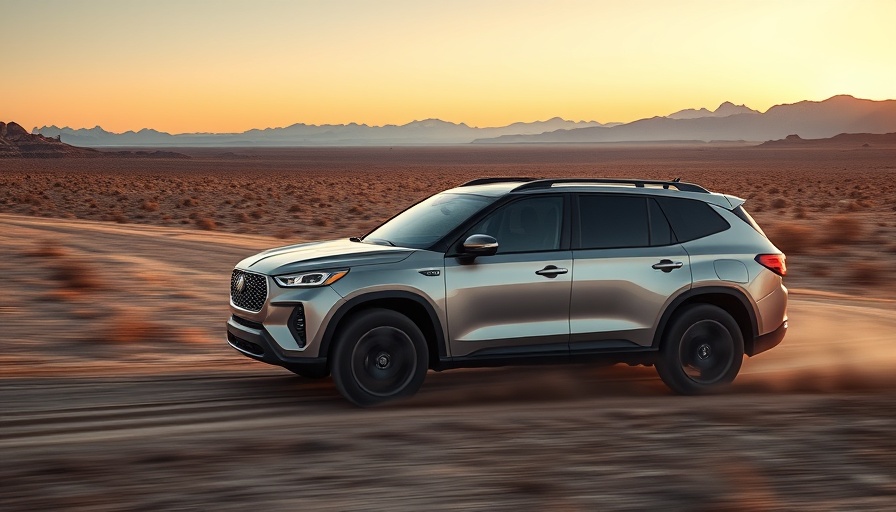
Sleek SUV driving in desert as Cupra postpones US market entry.

Cupra Delays U.S. Market Entry Amid Uncertain EV Landscape

Soon after ambitious plans to launch in the U.S. market were announced, Cupra, the electric vehicle brand under Spanish automaker Seat, has chosen to postpone its entry beyond 2030. This decision comes amid shifting dynamics in the automotive sector, especially with regard to electric vehicles (EVs), and the heightened regulatory uncertainty that has affected various EV manufacturers globally. Sven Schuwirth, the Chief Sales Officer at Seat, indicated that this strategic delay is not primarily due to the departure of former CEO Wayne Griffiths, but rather a reflection of current demand projections influenced by changing market conditions.

The Influence of Regulatory Changes

The U.S. EV market is currently fraught with challenges, notably stemming from political changes that have seen federal tax incentives for electric vehicle purchases now under threat. These adjustments were particularly notable during President Trump’s administration, leading to significant fluctuations in consumer interest. As Cupra works diligently to monitor market developments, they aim to leverage this delay as an opportunity to reassess their strategy to better align with potential future incentives or shifts in consumer behavior.

Comparative Performance: Cupra vs. Seat

While Cupra has announced a halt to its U.S. expansion plans, the brand has seen impressive performance in existing markets, delivering a remarkable 167,600 vehicles in the first half of 2025—a 33.4% increase year-on-year. In contrast, its sister brand Seat experienced a decline in deliveries, falling 21.4%. Interestingly, the combined total of both brands came to 302,600 vehicles, indicating a slight overall growth within the company’s existing markets, where Cupra is gaining momentum.

Insights on the European EV Market

As the European Union moves to implement tougher tariffs on imported EVs, notably the Cupra Tavascan, which significantly impacts the profitability of the brand, the company’s management emphasizes adaptive strategies to overcome this barrier. Seat's Martorell plant has seen reduced output due to necessary retooling aimed at future EV production, including the upcoming Cupra Raval and VW ID.2, underscoring the importance of strategic, long-term investments in EV capabilities.

What’s Next for Cupra?

While the current U.S. market entry is postponed, Cupra plans to harness their existing momentum in key territories and looks forward to expanding into new, high-potential markets. This delay allows them to remain competitive while enhancing product offerings and refining their brand over time. With an eye towards electric mobility, particularly amid strong competition and shifting demand, this period of adjustment might ultimately position Cupra to enter the U.S. market with a refreshed and robust strategy.

Taking Action on Green Energy

This decision by Cupra serves as a reminder of the broader trends impacting the shift towards greener transportation solutions. As consumers and businesses remain invested in sustainable energy, integrating electric vehicle use with home energy solutions—like solar-powered charging stations—becomes increasingly relevant. The delay in Cupra's entry might allow consumers to evaluate their own pathways to adopting greener technologies while waiting for the market conditions to stabilize.

Conclusion: A Strategic Postponement

In summary, Cupra’s decision to postpone their U.S. entry reflects a nuanced understanding of current market conditions and anticipates a more favorable environment for electric vehicles in the coming years. By centering its efforts on existing territories, the brand can strengthen its presence and prepare for future expansions.

As we consider the implications of such strategic decisions, homeowners and businesses interested in adopting sustainable practices shouldn't hesitate to explore options for integrating solar energy into their EV charging solutions. Embracing green technologies now can lead to significant benefits in the long run, aligning with the sustainable vision many brands like Cupra aspire to achieve.

EVs & Transportation Trends

Write A Comment

*
*
Please complete the captcha to submit your comment.
Related Posts All Posts
04.07.2026

Why the Tesla Model Y Seven-Seater Might Be Your Best EV Option

Update Revved Up for Families: The Seven-Seater Model Y Returns As the electric vehicle market continues to evolve, Tesla remains at the forefront of innovation, particularly with the reintroduction of the seven-seat configuration for the Model Y in the UK. Starting at £54,490, this new variant is available exclusively in the Long Range All-Wheel Drive model, aligning with Tesla's push to cater to family needs without compromising on luxury and performance. Benefits of the Seven-Seat Configuration Families across the UK will find the seven-seat Model Y a versatile choice, offering the flexibility to transport more passengers. At a premium of £2,500 over the standard five-seater, this model not only accommodates larger groups but also integrates numerous features that enhance comfort for all occupants. Key among these are the two forward-facing third-row seats designed for children, facilitated by a sliding and folding second-row bench for easy access. Performance Meets Practicality The electric SUV retains a respectable WLTP range of 372 miles despite the additional seating. Such performance ensures that families can manage longer journeys with fewer stops for charging; an essential consideration for outings or vacations. Although the range is slightly lower than that of the five-seat version, it still positions the Model Y ahead of competitors like the Peugeot E-5008, especially in terms of total capacity and technology features. Interior Features that Enhance Comfort The seven-seat variant mirrors the Premium specification of Tesla’s previous offerings, featuring heated and ventilated front seats, adaptive cruise control, and an impressive 16-inch touchscreen. The second-row passengers benefit from an eight-inch display, complementing the charging ports added for those in the third row. Notably, Tesla's decision to include these technological comforts enhances family road trips with entertainment and ease of use. Evaluating Market Competition With the updated Model Y, Tesla positions itself as a competitor not just against other electric vehicles but also against established family SUVs such as the Mercedes EQB. In comparison, the Model Y’s pricing gives it a slight edge despite presenting a higher price point compared to some models. However, the unique selling points—the cargo capacity and cutting-edge tech—imply that it remains a solid choice for environmentally conscious families. Future of Electric Family Transport As electric mobility continues to mature, trends indicate an increasing demand for versatile vehicles capable of accommodating larger families. The resurgence of the seven-seat Model Y demonstrates Tesla's response to this evolving market condition. Observers anticipate that as battery technology improves, future models may offer enhanced range and performance, further solidifying Tesla's position as a leader in green transportation. Your Move: Is the Tesla Model Y Right for You? For homeowners and businesses invested in solar and green energy solutions, the Tesla Model Y provides an attractive option for integrating sustainable vehicles into a greener lifestyle. Its capabilities go beyond mere transport; the Model Y represents a commitment to not only reducing carbon footprints but also maximizing the efficiency of modern family life. As cities adapt to more electric vehicles, making the shift toward greener solutions is not only beneficial for the environment but increasingly practical in urban settings. In conclusion, the seven-seat Model Y offers a robust opportunity for families seeking eco-friendly transport, all while benefiting from Tesla’s innovative approach to design and technology. If you’re considering enhancing your environmental commitment, this vehicle may align perfectly with your lifestyle choices. Explore solar energy as a complementary solution and embrace a truly sustainable lifestyle.

04.05.2026

Mercedes-AMG GT 4-Door Coupé: Revolutionizing Electric Performance Vehicles

Update Mercedes-AMG's Electric Ambition: A Game Changer for EV Performance As the automotive world shifts towards sustainability, the upcoming release of the Mercedes-AMG GT 4-Door Coupé marks a pivotal moment. After successfully completing winter testing under harsh conditions, this all-electric model is set to redefine electric vehicle performance and is anticipated to make its grand debut later this year. Built on the revolutionary AMG.EA platform, this model will not only enhance performance characteristics but is also a testament to Mercedes-AMG's commitment to innovative electric technology. Unveiling the Performance Architecture: AMG.EA Explained The Mercedes-AMG GT 4-Door Coupé represents the first production model based on the AMG.EA high-performance architecture, designed to push the boundaries of what electric vehicles can achieve. The vehicle is poised to utilize a sophisticated all-wheel-drive system—AMG Performance 4MATIC+—which is an industry-first in fully electric sports cars. With the integration of three axial-flux motors, this architecture optimizes torque management across both axles and allows for a versatile driving experience. Innovation That Transcends The Elements The rigorous winter testing in Sweden provided Mercedes-AMG with valuable insights into vehicle performance under winter conditions. The prototypes demonstrated exceptional handling on snow-covered roads and icy lake surfaces, showcasing the electric motors' capacity to adapt to challenging environments. This feature is made possible by an advanced cooling system for the battery cells that maintains optimal performance even in extreme temperatures. Technological Insights and Driving Experience With a focus on delivering an exhilarating driving experience, the AMG GT 4-Door Coupé incorporates a dynamic driving control system known as the AMG Race Engineer, allowing drivers to configure several performance parameters like response and cornering behavior. Potential configurations include a blend of rear-wheel and all-wheel drive, making the car adaptable to various driving styles—from urban commuting to high-speed track performance. What This Means for the Future of Performance EVs Looking ahead, the introduction of vehicles like the Mercedes-AMG GT 4-Door Coupé signals a critical evolution within the electric vehicle landscape. With competitors like Porsche and Audi already establishing a presence in the high-performance EV segment, Mercedes-AMG's entry could raise the stakes significantly. This model's anticipated performance specs, paired with cutting-edge technology, may set new benchmarks for power, speed, and versatility in electric luxury sedans. Conclusion: Are You Ready for the Future? The forthcoming all-electric Mercedes-AMG GT 4-Door Coupé perfectly encapsulates the ongoing transition to electrification within the automotive sector. As we move toward increasingly sustainable yet high-performance options, understanding the technology and capabilities of such vehicles equip consumers and businesses alike to harness these advancements. With electrification paving the way for a greener future, now is the time to consider how electric innovations can enhance not just cars, but our broader lifestyle choices in energy consumption.

03.26.2026

GM's Level 3 Autonomy Breakthrough With Escalade IQ: What It Means for EV Users

Update General Motors Leads the Charge in Autonomous Driving General Motors (GM) is making significant strides in the realm of autonomous vehicles, particularly with its latest technology in the Cadillac Escalade IQ. This state-of-the-art vehicle is set to test the waters of Level 3 autonomy, allowing drivers more freedom than ever before. While competitors like BMW and Mercedes-Benz are retreating from similar ventures, GM is committed to pushing boundaries in self-driving capabilities. Understanding Level 3 Autonomy The distinction of GM’s new Level 3 system lies in its ability to permit hands-free, eyes-off driving within defined scenarios. Unlike GM’s existing Super Cruise system, which operates at SAE Level 2, the new technology offers a true respite from driving. Drivers can even take their attention away from the road, which allows them the flexibility to engage in activities such as reading emails or watching videos. However, they must be prepared to regain control promptly whenever the system demands. Real-world Testing and Data Collection With a fleet of 200 test vehicles, GM is advancing its self-driving technology into live roads—an essential step in collecting real-time data. This approach moves beyond theoretical models and allows for increased understanding of vehicle behavior in dynamic traffic conditions. GM's commitment includes having already accumulated over a million miles of data across various terrains, establishing a robust foundation for future iterations of their automation technology. Challenges Faced by Competitors In contrast to GM’s ambitious plans, both BMW and Mercedes have encountered significant limitations with their Level 3 systems. Both manufacturers initially offered these systems in their high-end models but faced regulatory challenges. Currently, these systems are restricted to limited use scenarios, primarily on highways at slow speeds. Furthermore, the high costs associated with the necessary Lidar sensors have deterred continued progress—making the systems prohibitively expensive for many potential users. The Future of Autonomous Vehicles in Consumer Markets GM’s plan not only to integrate Level 3 technology into the Escalade IQ but also throughout its Chevrolet lineup demonstrates a commitment to widespread accessibility. By streamlining the development process across various models, the company can more quickly adapt its technologies to changing consumer demands and market conditions. In contrast, BMW and Mercedes have pivoted to enhanced Level 2 systems, which, while safer in certain respects, do not provide the same level of convenience as true self-driving capabilities. Implications for Sustainability and Energy Use For homeowners and businesses interested in green energy solutions, GM’s advancements in electric vehicles (EVs) and self-driving technology herald a new age of transportation. Electric vehicles paired with automated driving solutions may lead to improved energy efficiency and reduced carbon footprints, both essential elements of sustainable living. As the infrastructure for EV charging networks expands, integrating these autonomous features will become increasingly relevant for energy-conscious consumers. Conclusion: A Transformative Shift Ahead As General Motors forges ahead with its Level 3 autonomy development, the decisions made by both GM and its competitors highlight the complexities of advancing automobile technologies. For homeowners and businesses looking to embrace sustainable practices, keeping an eye on these developments could inform decisions about investing in electric and autonomous vehicles that could potentially revolutionize how we think about transportation and energy consumption.

Terms of Service

Privacy Policy

Core Modal Title

Sorry, no results found

You Might Find These Articles Interesting

T
Please Check Your Email
We Will Be Following Up Shortly
*
*
*