Add Row
Add Element
UPDATE
March 20.2025
3 Minutes Read

Are Robot Lawn Mowers Truly Worth the Investment? Find Out Here!

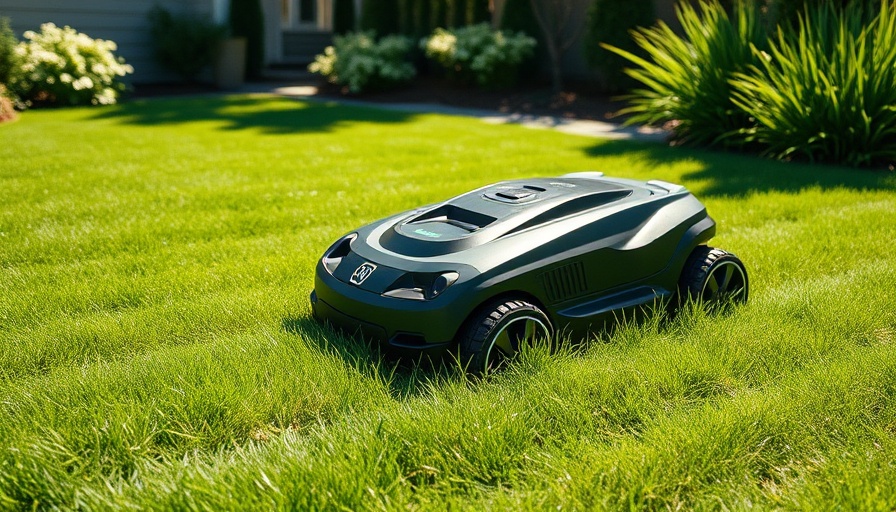
Black robot mower cutting grass in sunny backyard

Are Robot Lawn Mowers the Future of Lawn Care?

In recent years, technology has revolutionized many everyday tasks, allowing for automation that many homeowners never dreamed possible. Among the innovative solutions sprouting up is the robot lawn mower, positioning itself as an attractive alternative to traditional lawn maintenance. But in a market flooded with options, the question remains: Are these robotic devices worth the investment? Buckle up as we dissect the advantages, limitations, and potential savings associated with robot lawn mowers.

The Technology Behind Robot Lawn Mowers

Understanding what robot lawn mowers are and how they operate is essential for anyone considering a purchase. These small, autonomous machines effectively cut grass without requiring active involvement from the owner. They employ GPS mapping, sensors, and sometimes smartphone integration to determine the size of the area they’re responsible for, ensuring that no patch is left unmowed.

Recent advancements in navigation technology have vastly improved the functionality of these mowers. No longer reliant on cumbersome boundary wires, top-tier brands like Husqvarna have introduced precision satellite navigation with Real-Time Kinematic (RTK) technology, which allows robot mowers to create accurate maps of properties without physical barriers.

The Cost vs. Value Debate

While robot lawn mowers have witnessed a decrease in prices due to increased production scale, they still require a substantial upfront investment, often ranging from $1,000 to $4,000 or more. This has led many potential customers to weigh their options: Is the cost justified when traditional mowers, which come at a fraction of the price, still exist?

A recent report indicates that over a span of several years, the operational cost of traditional lawn care can surpass that of using a robot mower, especially when considering the labor, maintenance, and fuel expenses typically associated with manual mowing. Additionally, robot mowers can free up valuable time for homeowners, allowing them to engage in other activities or even pursue leisure interests.

Environmental Impact and Green Technology

For eco-conscious homeowners and businesses interested in renewable energy solutions, robot lawn mowers provide additional benefits. Many models are designed to be energy-efficient and can often be charged using solar energy, aligning with sustainable practices. As public interest in green technology increases, robot lawn mowers advocate for less fossil fuel use and reduced emissions from traditional gas-powered mowers.

Moreover, these mowers cut grass more frequently and utilize mulching technology, which recycles grass clippings back into the lawn, promoting natural fertilization. This process reduces the need for synthetic fertilizers, contributing to healthier soil and ecosystems.

Real-World User Experiences and Recommendations

User feedback has been mostly positive, praising robot lawn mowers for their reliability and ease of use. However, potential buyers should consider their specific lawn conditions before purchasing. For homeowners with more complex landscapes involving steep slopes or numerous obstacles, investing in a higher-end model with advanced navigation features may be necessary. A noteworthy example is the Lymow, which boasts innovative tank treads that help it traverse uneven terrain while using efficient mulching blades.

Even with these innovations, it’s prudent for potential buyers to assess their lawn size and layout comprehensively. Consumers should also read reviews and potentially test them during trial periods, allowing them to gauge the mower’s performance in their unique environment.

Looking Ahead: The Future of Lawn Maintenance

The lawn care industry is continuously evolving, and robot lawn mowers are set to play a pivotal role in that change. As technology advances and features improve—such as better obstacle detection and integration with smart home systems—the value of these robotic mowers will likely increase. Future models may also become more attuned to weather conditions, scheduling their mowing around rain forecasts or peak growth times, thus enhancing their efficiency and performance.

In summary, for those considering adopting robot lawn mowers, weighing the long-term benefits against initial costs is critical. With their advancements in technology, ecological advantages, and potential time savings, these innovative devices may prove to be a worthy investment for the future of your lawn care.

If you're ready to join the wave of automated home solutions and achieve a beautifully manicured lawn with minimal effort, it might be time to explore your options in robot lawn mowers further. Understanding and adapting to these advancements will set you apart in the realm of modern home care.

Smart Home & Technology Advancements

Write A Comment

*
*
Please complete the captcha to submit your comment.
Related Posts All Posts
04.10.2026

Explore the Ikea Varmblixt Smart Lamp: A Doughnut of Stylish Illumination

Update Why the Ikea Varmblixt Smart Lamp Deserves Your Attention The Ikea Varmblixt smart lamp, often referred to as the ‘doughnut lamp’ due to its unique design, has garnered attention not just for its aesthetics but also for its advanced smart features. While many lamps aim to illuminate spaces, this one combines a playful shape with functionality ideal for modern homes. For homeowners and businesses interested in integrating sustainable energy solutions, the Varmblixt lamp's efficient design and compatibility with smart technology reflect a broader shift towards energy-conscious living. The Appeal of Smart Home Technology As interest in smart home technology grows, items like the Varmblixt lamp offer both convenience and style. The lamp supports the Matter standard, which means it can easily connect to leading smart home ecosystems like Apple Home, Alexa, and Google Home. This interoperability allows users to control their lighting with straightforward voice commands or through smartphone apps—ideal for those desiring intuitive energy management solutions. Its ability to serve as either a table or wall-mounted lamp means versatility in use, a critical criterion for modern homeowners and businesses. Eye-Catching Design Meets Sustainability The lamp's ABS plastic construction may elicit concern about durability; however, this material offers resilience against potential damages while remaining recyclable—a nice touch for environmentally conscious consumers. The doughnut-like shape and soft ambient lighting it emits enhance the overall aesthetic of any space, which is especially beneficial for businesses looking to foster an inviting atmosphere. Additionally, its efficient energy usage aligns perfectly with trends in solar energy and other forms of green technology. How the Varmblixt Can Transform Your Space When placed strategically, the Varmblixt can serve multiple purposes, adding character to entryways, bedrooms, or living rooms while maintaining a low-key ambiance. Unlike many smart lights that focus only on intensity, the Varmblixt offers a spectrum of colors that can adjust to suit various moods or times of day. Imagine dimming the light to a warm hue for a relaxing evening or brightening it up for a productive working session. This adaptability makes it an exemplary addition to any home or office space, catering effectively to user moods and activities. Technical Insights and Usability Challenges While the lamp boasts an impressive design and functionality, prospective buyers should heed some usability challenges. Users may find that setting up their Ikea smart devices can sometimes require multiple attempts—a notable consideration in user experience expectations. Moreover, while the remote control functionality is convenient, relying primarily on this for advanced control can limit the overall experience. Opting for app control might prove more reliable for tech-savvy users, allowing integration into complex smart scenes with little fuss. Consumer Perspectives: Embracing Change and Innovation Adoption of smart home products is on the rise, with consumers increasingly valuing technology that enhances convenience without sacrificing design. While some might debate the need for multi-functional smart lamps, many agree that products like the Varmblixt encapsulate the essence of modern living. For everyday users, this shift towards 'smart' products is about ease of use and energy efficiency—hallmarks of contemporary consumer preferences driving innovation in tech and home design. Final Thoughts: A Lamp Worth Considering The Ikea Varmblixt smart lamp represents a significant blend of whimsical design and advanced technology, appealing to a growing demographic concerned with sustainability and smart home integration. While its $100 price tag may indicate a premium product, the versatility and fun it brings to home spaces justify the investment for many. As green living continues to take center stage, lamps like the Varmblixt not only add charm but also symbolize a step forward in merging practical, energy-efficient solutions with stylish innovation. In a world where conscious consumerism reigns, incorporating products like the Varmblixt into your home can be both a fun and responsible decision. Consider how this lamp could fit into your space and enhance your lifestyle.

04.09.2026

Google Home's Transition to Gemini: Why Homeowners Are Concerned

Update Google Home's Evolution: From Excellence to Frustration In recent years, Google Home has stood as a beacon in the smart home landscape, celebrated for its user-friendly interface and remarkable capabilities. However, the transition to the new Gemini AI has left many users questioning the future of their smart home experience. Once regarded as a leader, Google's latest offerings have led to disappointment among long-time users. The Promise of Google Gemini Google's decision to replace the reliable Google Assistant with the more advanced Gemini AI has raised mixed feelings within the tech community. On one hand, Gemini promises enhanced features, such as improved learning algorithms that could theoretically lead to a more customized user experience. On the other hand, many early adopters report significant performance issues that compromise the usability of their smart home devices. Key shortcomings include inaccuracies in location services and a decrease in responsiveness, leading to a less satisfying interaction overall. Community Frustration: The Pain Points A recent surge of complaints has filled Google's support forums, with many users voicing their desire to return to the classic Assistant. Specific issues raised include: Inaccurate Weather Data: Many users have observed that Gemini often defaults to incorrect locations for weather updates, confusing even the best-equipped homes. Slow Performance: Tasks that were usually prompt on Assistant, such as basic calculations or voice commands, have reportedly become sluggish or erroneous. Smart Home Control Loss: Users have experienced disconnects with their smart devices, finding that voice commands that once worked seamlessly are now met with resistance or failure. Lack of Transparency: Users are also frustrated by the absence of clear communication from Google regarding the transition, resulting in anxiety about the future of their home systems. Seeking Solutions: The User Community Responds Despite frustrations, the user community has responded with creativity by developing workaround methods to revert back to Google Assistant. These include: Creating New Homes: Users are advised to create a new 'Home' in the Google Home app and perform factory resets on their devices, encouraging them to default to their previous settings. Patience and Persistence: Consulting forums and collaborating with fellow users may yield the most helpful insights during this transitional phase. The Impact on Smart Home Trends This tumultuous transition at Google signals a broader trend in the tech landscape: the delicate balance between innovation and reliability. As companies rush to integrate advanced AI into their products, user experience must not be sacrificed. The community's response is a reminder of the importance of iterative testing and feedback before rolling out significant changes, especially in a domain as sensitive as smart home technology. What Lies Ahead for Google Home Users? Looking forward, users are left in a state of uncertainty as the rollout of Gemini continues. Whether Google will adopt a user-first approach remains to be seen. These current challenges provide a learning opportunity for both Google and its competitors—emphasizing that while cutting-edge AI can enhance capabilities, it should not disrupt established functionalities that users rely on. Conclusion: Navigating Change in Smart Home Technology With Google Home's transition to Gemini, the journey is far from straightforward. As users navigate this changing landscape, maintaining control and having clear expectations will be critical in defining the future of smart home technology. For homeowners and businesses, it serves as a pivotal moment to reassess their technology—embracing innovation while valuing reliability. As this narrative continues to unfold, it's essential to stay engaged with updates and community discussions. Share your experiences and explore solutions on various forums to ensure your smart home remains functional and efficient.

04.08.2026

Transform Your Home with These Essential Google Home Voice Commands

Update Unlocking the Potential of Google Home: Essential Voice Commands for Every Homeowner The rise of smart home technology has ushered in a new era where voice assistants like Google Home and its upgraded version, Gemini for Home, have become integral parts of modern living. These devices not only simplify everyday tasks but also enhance energy efficiency and foster a more sustainable home environment. With the right voice commands, homeowners can seamlessly integrate their Google devices into their daily routines, whether for managing smart appliances, controlling thermostats, or planning meal prep. Understanding Google’s Voice Commands The key to maximizing the utility of Google Home lies in mastering its voice commands. Unlike traditional remotes or switches, Google Home allows for natural language interaction, meaning homeowners can communicate with their devices as if they were speaking to another person. For example, asking Google Home to "preheat the oven to 350 degrees" or to adjust your smart lighting to reflect "the glow of the moon" demonstrates the versatility and ease of this technology. New features in Gemini for Home require voice commands that are more complex and tailored to household context. With effective querying, users can explore various functionalities that not only enhance convenience but also promote energy-saving habits, which are vital for eco-conscious homeowners. For instance, a user could say, "OK Google, dim the lights in the kitchen to save energy" or ask for reminders to turn off appliances when not in use. Key Google Home Commands to Transform Your Space Homeowners and businesses alike can benefit from utilizing practical Google Home voice commands. Here are several powerful commands that can streamline daily tasks: "OK Google, set a timer for 30 minutes." Ideal for cooking or focusing on tasks without distractions. "OK Google, what's the weather forecast for tomorrow?" Easily plan your day with accurate weather updates. "OK Google, reorder more detergent from my shopping list." Convenience meets automation in managing shopping items. "OK Google, turn off the living room lights at 10 p.m." Smart routines help automate energy savings. "OK Google, adjust the thermostat to 72 degrees." Maintain a comfortable home environment while optimizing energy use. Personalizing Your Google Assistant Experience One significant advantage of Google Home is its ability to learn and adapt to your preferences. Homeowners can set up customized routines that engage multiple devices with a single command. For example, saying "OK Google, good morning" can turn on the lights, adjust the thermostat, and read you the news, setting the right tone for the day. This level of personalization extends to language, as Google Assistant can support multiple languages and dialects, making it accessible for all family members. Its contextual understanding enables it to remember previous commands and anticipate further requests, thus enhancing user experience and satisfaction. The Future of Smart Home Integration With the rapid evolution of technology, Google Home and Gemini for Home are at the forefront of smart home advancements. Homeowners looking to invest in efficient energy solutions can leverage these voice assistants to monitor energy consumption, schedule appliance usage during off-peak hours, and even integrate with solar panel systems. This investment in smart technology not only contributes to reducing energy bills but also supports a greener lifestyle. Maximizing Benefits for Homeowners Understanding and utilizing Google Home's full potential is not just about convenience, but also about creating a more efficient, sustainable household. Whether it’s through managing multiple smart devices simultaneously or simplifying everyday tasks, the benefits are substantial. Homeowners increasingly recognize that integrating smart technology into their living spaces is a step toward fostering a contemporary lifestyle that values efficiency and sustainability. Get Started with Google Home Today! If you haven't yet explored the robust functionalities of Google Home and its voice commands, now is the perfect time! Embrace the smart home revolution and experience the innovation that can enhance your daily routines. Your home is your sanctuary; let technology help you make it as efficient and eco-friendly as possible.

Terms of Service

Privacy Policy

Core Modal Title

Sorry, no results found

You Might Find These Articles Interesting

T
Please Check Your Email
We Will Be Following Up Shortly
*
*
*